
Nevada Bicycle Accident Claims and Driver Responsibility
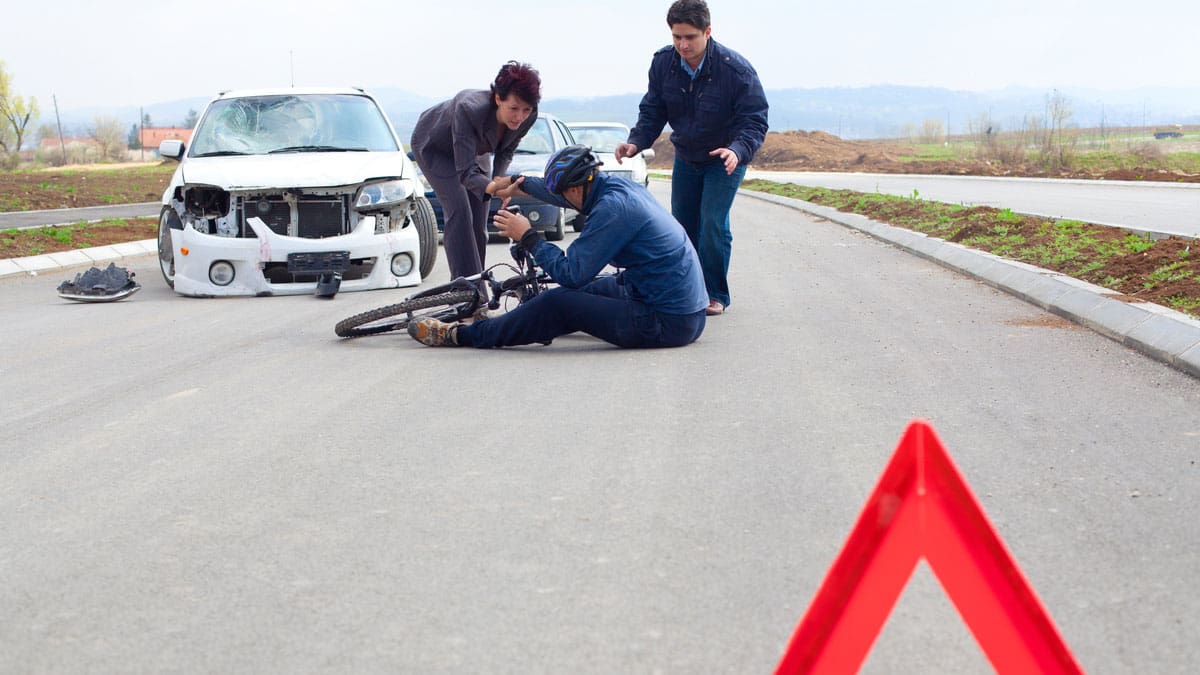
Bicycle traffic on Nevada roads has grown steadily over the last two decades. Recreational riders on scenic routes near Red Rock Canyon and Lake Mead, commuters in Las Vegas and Reno, and delivery riders working for food and grocery platforms all share the road with motor vehicles. When a driver strikes a bicyclist, the injury outcome is almost always severe because the cyclist has no metal cabin, no airbag, and only a helmet between their head and the impact.
Nevada law places significant responsibility on drivers to share the road safely with bicyclists, and the state has adopted specific statutes governing how vehicles must pass, yield to, and interact with bicycles and other similar devices. Understanding these laws, the injury patterns that follow a bicycle crash, and the claim process that supports recovery is essential for any bicyclist injured on Nevada roads.
Common Types of Bicycle-Vehicle Collisions
Bicycle-vehicle crashes tend to fall into recurring patterns, each of which has its own liability considerations:
- Right hook crashes, in which a driver turning right cuts off a bicyclist proceeding straight through an intersection
- Left hook crashes, in which a driver turning left across the bicyclist’s path fails to yield
- Rear-end strikes on shared roadways where drivers fail to see the cyclist ahead
- Dooring incidents, in which a parked driver opens a door into the path of a passing bicyclist
- Unsafe passing incidents, in which a driver overtakes a bicyclist too closely or too fast
- Intersection failures involving vehicles running stop signs or red lights
- Sideswipe incidents in narrow lanes or where drivers do not provide adequate clearance
Each pattern involves a different driver error and often a different legal theory. A right hook typically involves a failure to check for cyclists before turning. A dooring case turns on whether the driver checked traffic before opening the door. Understanding the pattern of the specific crash is one of the most important early tasks in a bicycle injury case.
For a free legal consultation, call (725) 900-9000
Nevada’s Duty of Care Laws for Drivers Around Bicycles
Nevada law imposes specific duties on drivers to protect bicyclists and other vulnerable roadway users. The central statute is NRS 484B.270, which requires drivers to exercise due care when sharing the road with bicycles, electric bicycles, and electric scooters. Under the statute, drivers must:
- Not intentionally interfere with the movement of a bicyclist lawfully using the road
- Move to the left lane when passing if a left lane is available and it is safe to do so
- Maintain a distance of at least three feet between the vehicle and the bicycle when passing on a single-lane road
- Not return to the right side of the highway until safely clear of the passed bicycle
- Yield the right-of-way to bicyclists in dedicated pathways or lanes
- Not enter, stop, or drive within a bicycle pathway or lane except in limited circumstances
- Give an audible warning with the horn when appropriate to avoid a collision
A driver who violates any of these provisions and causes a collision with a bicyclist faces additional penalties under Nevada law. Just as importantly for injured cyclists, a documented violation of NRS 484B.270 provides strong evidence of a breached duty of care in a civil injury case.
Injuries Bicyclists Commonly Sustain
Bicycle crash injuries tend to be severe because the rider absorbs the initial impact directly and often suffers additional injuries when landing on the pavement. Common injuries include:
- Traumatic brain injuries and concussions from head contact with the vehicle, windshield, or pavement
- Skull fractures and facial trauma
- Spinal cord injuries from the lateral force of a side impact
- Broken collarbones, arms, and wrists from bracing against the fall
- Rib fractures and internal organ injuries from blunt force trauma
- Pelvic and hip injuries from the initial impact with the vehicle
- Severe road rash, abrasions, and degloving injuries from sliding on the pavement
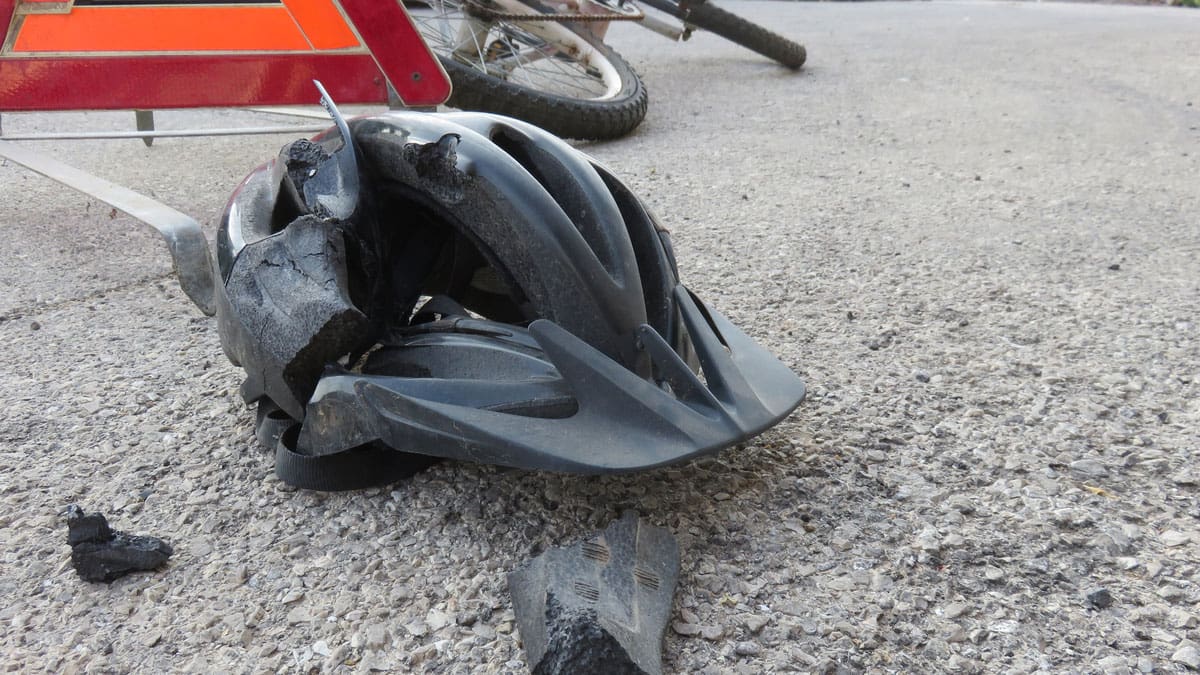
The severity of these injuries often means extended hospitalization, multiple surgical procedures, and long rehabilitation. Helmets provide meaningful protection but do not eliminate the risk of concussion or brain injury, particularly in high-speed impacts.
Click to contact our personal injury lawyers today
Who Can Be Held Liable
The most obvious defendant in a bicycle accident case is the driver of the vehicle that struck the cyclist. Nevada law also allows claims against other parties whose actions or negligence contributed to the harm. Potential defendants include:
- The driver of the vehicle involved in the crash
- The employer of the driver, when the driver was working at the time of the crash
- A commercial vehicle operator, rideshare company, or delivery platform
- The owner of the vehicle, when different from the driver
- A government entity responsible for inadequate road design, signage, or maintenance
- A construction contractor whose work zone forced cyclists into unsafe conditions
- A vehicle passenger who opened a door into the path of a passing cyclist
Multi-defendant cases are common in bicycle crashes. A crash near a construction zone might involve claims against the driver, the contractor, and the government entity responsible for the roadway. Identifying every party whose negligence contributed is one of the most important early tasks in these cases.
Complete a Free Case Evaluation form now
Defenses Insurance Companies Raise Against Bicyclists
Insurance companies frequently attempt to shift responsibility onto bicyclists to reduce or defeat claims. Common defenses include:
- The cyclist was riding on the sidewalk where prohibited
- The cyclist failed to obey a traffic signal or stop sign
- The cyclist was not wearing a helmet
- The cyclist was riding at night without adequate lighting or reflectors
- The cyclist was riding under the influence of alcohol or drugs
- The cyclist entered the roadway suddenly or in an unpredictable manner
- The cyclist was traveling on the wrong side of the road
Each of these defenses can be countered with evidence and legal strategy. Witness statements, video footage, cycling equipment inspection, and detailed reconstruction of the crash sequence all play roles. An experienced attorney anticipates these arguments and builds the case in a way that closes them off before they gain traction.
Steps to Take After a Bicycle Accident
The hours and days after a bicycle crash often determine the strength of the resulting claim. Injured cyclists should:
- Accept emergency medical evaluation at the scene, even if injuries appear minor
- Photograph the scene, the vehicle, the bicycle, and any visible injuries from multiple angles
- Preserve the bicycle, helmet, and any equipment involved in the crash without repair or cleaning
- Obtain the driver’s name, license, insurance, and vehicle information
- Identify witnesses and collect their contact information before they leave the scene
- Request a copy of the police report and review it for accuracy
- Consult a personal injury attorney before signing any release or accepting settlement offers
Documenting the scene is especially important in bicycle cases because insurance adjusters often frame the initial narrative in a way that puts the cyclist at fault. Photographs, witness statements, and prompt legal involvement can prevent that narrative from taking hold.
Compensation Available After a Bicycle Accident
Injured cyclists in Nevada may be eligible to recover compensation for a range of losses tied to the crash. Damages typically pursued include:
- Emergency room treatment and ambulance transport
- Hospital bills, surgical costs, and inpatient care
- Diagnostic imaging such as CT scans, MRIs, and X-rays
- Follow-up care with orthopedic specialists, neurologists, and rehabilitation providers
- Prescription medications and durable medical equipment
- Physical therapy and occupational therapy
- Property damage and replacement of the bicycle, helmet, and equipment
The total value of a claim depends on the severity of the injuries, the medical documentation available, the resources of the responsible parties, and the strength of the evidence connecting the crash to the harm.
Statute of Limitations in Nevada
Nevada law sets strict deadlines for filing personal injury claims. Under the state’s two-year statute of limitations, an injured cyclist generally has two years from the date of the crash to file a lawsuit.
Cases involving government entities, commercial vehicles, or specialized federal regulations may involve different procedural rules. Notice requirements against government entities can be as brief as six months. Missing the applicable deadline can permanently bar recovery, regardless of how strong the underlying case may be.
How Van Law Firm Can Help
Van Law Firm represents bicyclists injured in crashes throughout Nevada. The firm has handled cases involving right hook and left hook collisions, dooring incidents, unsafe passing crashes, and strikes involving commercial and delivery vehicles. Our attorneys work with accident reconstructionists, traffic engineers, and medical specialists to identify every party responsible, counter common insurance defenses, and pursue the strongest possible recovery for our clients.
Van Law Firm serves clients throughout Nevada, including Las Vegas, Henderson, Reno, and surrounding communities.
No Fees Unless You Win
Van Law Firm handles personal injury cases on a contingency fee basis. This means:
- There are no upfront costs to begin your case
- You pay no hourly fees during the representation
- Legal fees are only collected if compensation is recovered
- Consultations are free and confidential
Contact Van Law Firm Today
If you or someone close to you has been injured in a bicycle crash in Nevada, Van Law Firm is ready to evaluate the case and identify every party whose negligence may have contributed. Free consultations help injured cyclists understand their legal options under Nevada law.
No obligation consultations are always free.
Let Us Help You! Call Now: (725) 900-9000 The Most Common Bicycle Accident Injuries
Bicycling is a popular form of transportation and recreation in Nevada, especially in urban areas like Las Vegas, Henderson, and Reno. Cyclists benefit from cleaner transportation, improved physical...
 Electric Bike Accidents: Safety Risks Riders Should Not Ignore
Electric bikes are becoming more common across Nevada, especially in areas like Las Vegas, Henderson, and Reno where riders use them for commuting and recreation. These devices offer convenience and...
 What to Expect When Working with a Bicycle Accident Lawyer
Legally reviewed by Sandy Van (Bar No. 10785). Updated October 2026. If you were hurt in a bicycle crash, hiring a lawyer usually means a free first conversation, a written fee agreement, and a lawy...