
What Drivers Miss Before Causing a Pedestrian Accident
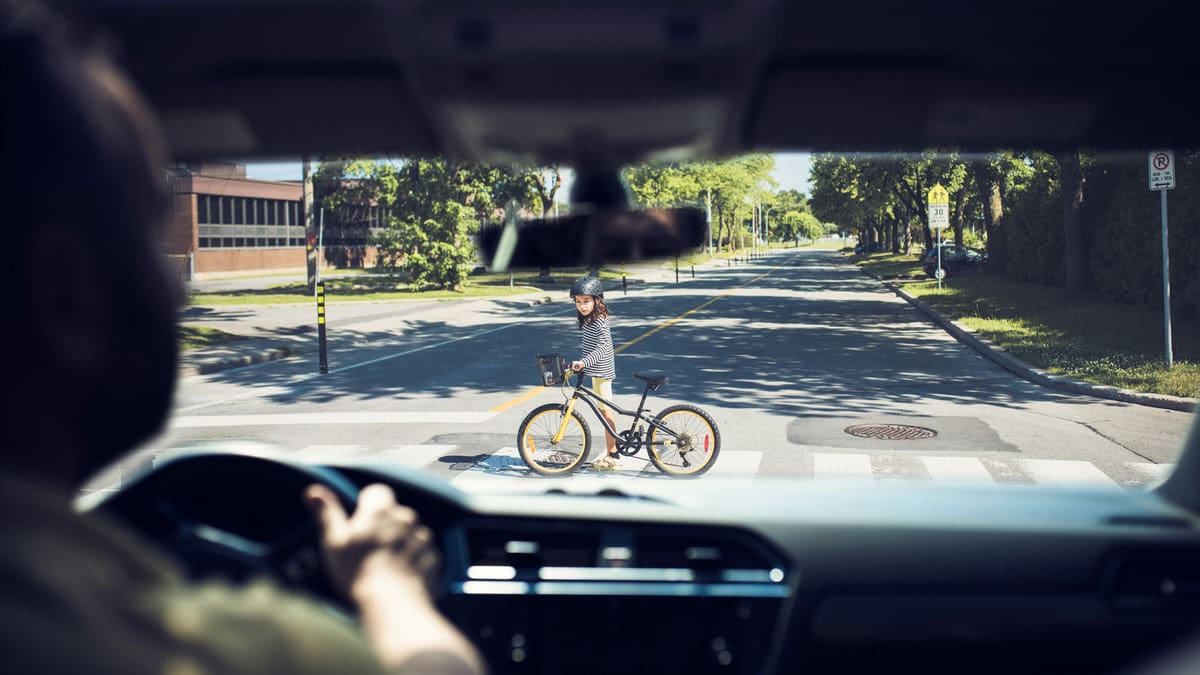
Nearly every driver who strikes a pedestrian says the same thing at the scene: I did not see them. That statement is often literally true, and it points to one of the most important patterns in pedestrian accident cases. Drivers do not usually crash into pedestrians because they made a deliberate choice. They crash because their attention, perception, or awareness failed in a specific way in the seconds before the impact. Understanding what drivers miss, and why, is essential to understanding how these accidents happen and how the legal system holds drivers accountable when they do.
Nevada has consistently ranked among the states with higher pedestrian injury rates, particularly in Las Vegas where high tourist volume, wide arterials, and long signal cycles create conditions that expose the gaps in driver awareness. Recognizing the perception failures behind these crashes helps injured pedestrians and their families make sense of what happened and pursue accountability.
Common Perception Failures That Cause Pedestrian Accidents
Perception failures behind pedestrian strikes tend to fall into recurring patterns. Common examples include:
- Looked-but-did-not-see errors, where the driver visually scanned the area but did not consciously register the pedestrian
- Failure to check the crosswalk before making a right turn on red
- Missing pedestrians hidden behind a vehicle’s A-pillars during left turns
- Overlooking pedestrians stepping off a curb during the final seconds of a green light
- Failing to see pedestrians in low-contrast clothing at dusk or at night
- Missing pedestrians walking in the same direction as traffic on a shoulder
- Overlooking pedestrians emerging between parked vehicles
Each of these failures reflects a moment when the driver’s brain did not integrate what their eyes had briefly seen. The looked-but-did-not-see pattern is particularly well studied and produces some of the most tragic outcomes because the driver often reports having no memory of the pedestrian before the impact.
For a free legal consultation, call (725) 900-9000
Environmental Factors That Contribute
Certain environmental conditions increase the likelihood of perception failures. Common contributing factors include:
- Dawn and dusk lighting that reduces visual contrast and depth perception
- Nighttime driving with insufficient street lighting
- Sun glare during morning and evening commutes
- Windshield fogging, streaking, or dirt that reduces visibility
- Heavy rain, dust storms, or reduced visibility from weather events
- Complex intersection geometry with multiple crossing paths to monitor
- Signage clutter that competes for driver attention with pedestrians
Nevada’s desert conditions produce their own visibility challenges. Sudden sun glare on wide east-west arterials, dust storms that reduce visibility to near zero, and long twilight periods all create environments where perception failures become more likely.
Behavioral Factors That Amplify the Problem
Driver conduct and choices dramatically increase the likelihood of missing a pedestrian. Common behavioral factors include:
- Distracted driving from phones, navigation systems, or in-vehicle displays
- Cognitive distraction from conversations, work stress, or mental preoccupation
- Impaired driving from alcohol, drugs, or fatigue
- Speeding, which reduces peripheral vision and increases stopping distance
- Aggressive driving that focuses attention on other vehicles rather than pedestrians
- Familiarity blindness on routes the driver has taken hundreds of times
- Rushed driving under time pressure to meet a schedule
Speeding is particularly important because it produces a compounding effect. A driver traveling at 40 miles per hour covers nearly 60 feet per second, which reduces the time available to notice a pedestrian, react, and brake to a stop. At higher speeds, the tunnel-vision effect narrows the driver’s peripheral awareness even further.

Click to contact our personal injury lawyers today
Why These Failures Still Establish Legal Liability
A driver who did not see a pedestrian is not off the legal hook because of the failure. Nevada law requires drivers to actively watch for pedestrians and to exercise due care to avoid a collision. Under NRS 484B.283, drivers must yield to pedestrians in crosswalks and must not overtake stopped vehicles at crosswalks without confirming there is no pedestrian crossing. The duty to see includes the duty to look properly.
When a driver fails to notice a pedestrian who was reasonably visible, that failure typically supports a finding of negligence. Insurance adjusters and defense attorneys often argue that a pedestrian appeared suddenly, was not visible, or contributed to the crash. Evidence including surveillance footage, dashcam recordings, witness statements, and reconstruction analysis can address these arguments and establish what the driver should have seen.
Complete a Free Case Evaluation form now
Common Injuries in Pedestrian Strikes
The injuries that result when a driver misses a pedestrian tend to be severe because the pedestrian has no protection from the impact. Common injuries include:
- Traumatic brain injuries from head contact with the vehicle, windshield, or pavement
- Skull fractures and facial trauma
- Spinal cord injuries that can produce partial or complete paralysis
- Pelvic and hip fractures from the initial bumper impact
- Broken legs, knees, and ankles at the point of first contact
- Internal organ injuries from blunt force trauma
- Severe lacerations, road rash, and abrasions from the secondary impact with the ground
The severity of these injuries often means extended hospitalization, multiple surgical procedures, and long rehabilitation. Prompt medical evaluation is essential even when the initial appearance at the scene suggests only minor harm.

What to Do After a Pedestrian Accident
The steps taken in the hours and days after a pedestrian crash can significantly affect the strength of any resulting claim. Injured pedestrians should:
- Accept emergency medical evaluation at the scene, even when injuries appear minor
- Photograph the crash location, the vehicle, road conditions, and lighting
- Identify witnesses and collect their contact information before they leave
- Note the position of the vehicle, the sun angle, and any visual obstructions
- Request a copy of the police report and review it carefully for errors
- Avoid giving recorded statements to insurance representatives without legal guidance
- Consult a personal injury attorney before signing any release or accepting settlement offers
Documenting the physical environment at the time of the crash is especially important when perception failures are at issue. Lighting conditions, glare, and visual obstructions can change within minutes and are difficult to reproduce later. Photographs taken at the time of day the crash occurred can be far more persuasive than later reconstructions.
Statute of Limitations in Nevada
Nevada law sets strict deadlines for filing personal injury claims. Under the state’s two-year statute of limitations, an injured pedestrian generally has two years from the date of the incident to file a lawsuit.
Cases involving government entities, including incidents on public roads or in publicly maintained crosswalks, may involve shorter notice requirements, sometimes as brief as six months. Missing the applicable deadline can permanently bar recovery, regardless of how strong the underlying case may be.
How Van Law Firm Can Help
Van Law Firm represents pedestrians injured by drivers throughout Nevada. The firm has handled cases involving driver inattention, distracted driving, impaired driving, and other perception failures behind pedestrian strikes. Our attorneys work with accident reconstructionists, human factors experts, and medical specialists to establish what the driver should have seen, counter defenses that blame the pedestrian, and pursue the strongest possible recovery for our clients.
Van Law Firm serves clients throughout Nevada, including Las Vegas, Henderson, Reno, and surrounding communities.
No Fees Unless You Win
Van Law Firm handles personal injury cases on a contingency fee basis. This means:
- There are no upfront costs to begin your case
- You pay no hourly fees during the representation
- Legal fees are only collected if compensation is recovered
- Consultations are free and confidential
Contact Van Law Firm Today
If you or someone close to you was struck by a driver in a Nevada pedestrian accident, Van Law Firm is ready to evaluate the case and identify every party whose negligence may have contributed. Free consultations help injured pedestrians understand their legal options under Nevada law.
No obligation consultations are always free.
Let Us Help You! Call Now: (725) 900-9000 Forklift Accidents & Lawsuits
Forklift incidents commonly occur in the workplace and can cause serious injuries or even death. There are around 20,000 workers in the United States who suffer from these injuries each year. In an ...
 Video Games: Innocent Fun or addictive menace?
If your child was seriously injured due to video game addiction, Van Law Firm Can Help Video Games are everywhere and there is hardly anyone who does not know what they are. More than 200 million pe...
 What You Need To Know About Filing A Suboxone Tooth Decay Lawsuit
Not all that long ago, opioid misuse was so rampant in the United States that experts classified it as a crisis. They say the trouble started back in the 1990s, when prescription opioid medications ...
 Your Rights as a Pedestrian in Las Vegas Crosswalk Accidents
Las Vegas is one of the busiest pedestrian cities in the country, with millions of residents and visitors crossing streets every day, especially along the Strip, in downtown areas, and near resident...