
Preventing Pedestrian Accidents: Safety Tips
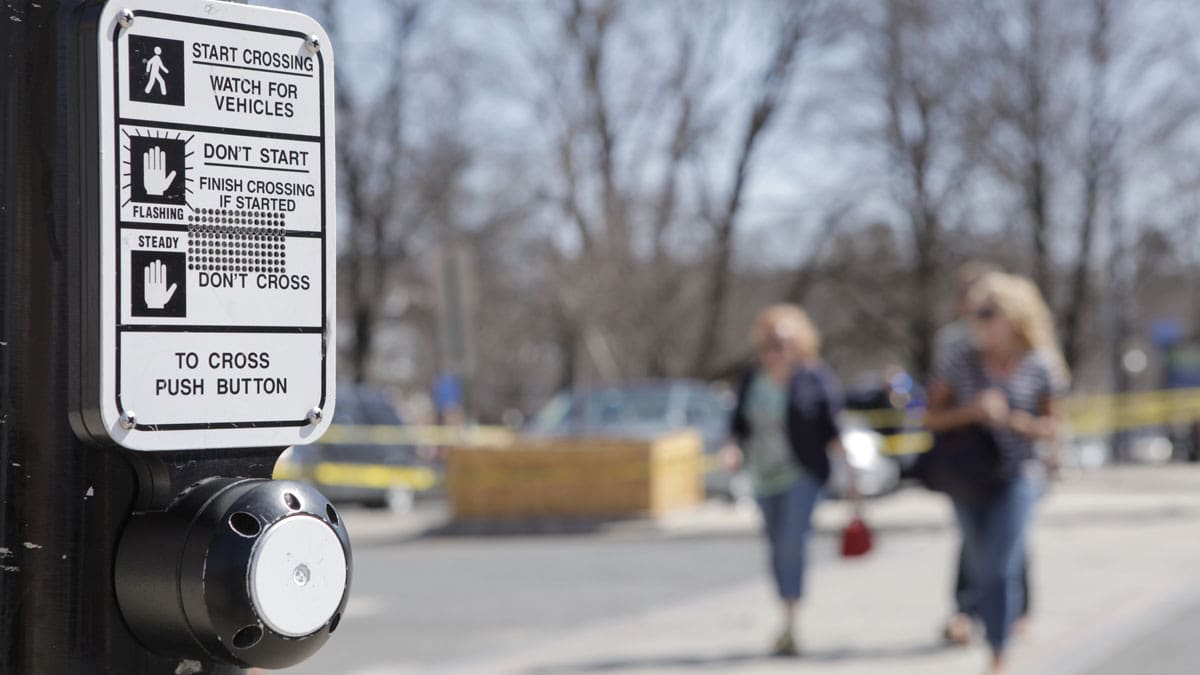
Prevention depends on both drivers and pedestrians understanding what Nevada law actually requires of them. Knowing the rules of the road isn’t just a legal formality; it’s one of the most practical tools either side has for avoiding a collision in the first place.
The Right-of-Way Myth
Most people assume pedestrians always have the right of way. That assumption is only partly true, and believing it without qualification can actually put pedestrians in danger.
Under NRS 484B.283, drivers must yield to pedestrians crossing within a marked crosswalk or an unmarked crosswalk at an intersection when traffic signals aren’t in operation. Where a “Walk” signal is illuminated, pedestrians facing it may proceed and drivers must give way. Drivers also can’t overtake and pass another vehicle that has stopped at a crosswalk until they’ve confirmed it didn’t stop for a pedestrian; a rule that exists specifically because passing a stopped car at a crosswalk is a common way pedestrians get struck by a second vehicle the driver never saw them step in front of.
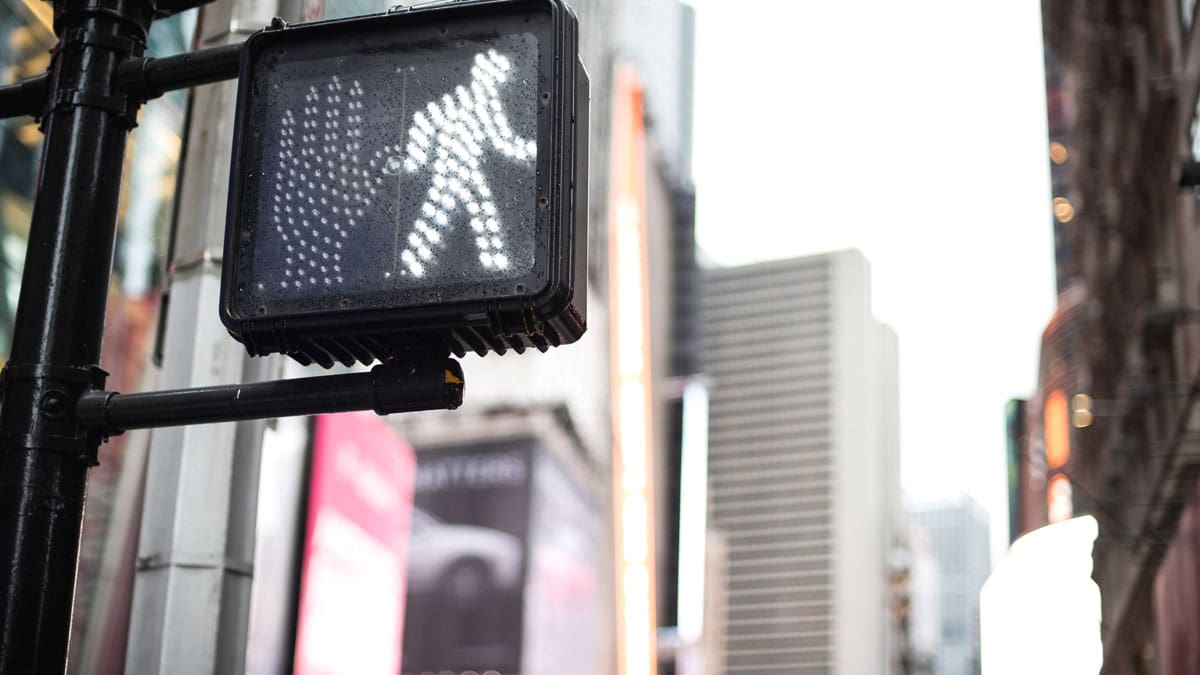
But NRS 484B.287 flips the obligation in several situations pedestrians often don’t expect:
- Crossing anywhere other than a marked or unmarked crosswalk at an intersection means the pedestrian must yield to vehicles, not the other way around.
- Where a pedestrian tunnel or overhead pedestrian crossing has been provided, pedestrians must yield to vehicles even if they cross at street level instead of using the structure.
- Crossing an intersection diagonally isn’t allowed unless traffic-control devices specifically authorize it.
In other words, the right of way in Nevada depends heavily on where and how someone is crossing. A pedestrian who assumes they’re automatically protected the moment they step off a curb, mid-block, diagonally, or near a designated tunnel or overpass, is operating on a false sense of security that puts them at real risk. Understanding these boundaries is one of the simplest ways to avoid becoming a statistic.
For a free legal consultation, call (725) 900-9000
Safety Tips for Pedestrians
- Cross at marked or unmarked crosswalks whenever possible. This is where the law puts the yielding obligation on drivers, and it’s where drivers are most likely to be watching for you.
- Stay in the right half of the crosswalk when practical, Nevada law (NRS 484B.293) sets this as the expected direction of travel, and it keeps foot traffic predictable for drivers.
- If there’s no sidewalk, walk facing oncoming traffic on the left side of the road, as required under NRS 484B.297. Facing traffic gives you time to react if a vehicle drifts toward the shoulder.
- Make eye contact with drivers before stepping into the roadway. A stopped or slowing vehicle isn’t a guarantee the driver has seen you.
- Increase your visibility after dark. Light-colored or reflective clothing makes a measurable difference in how far away a driver can spot you, especially outside well-lit areas of the Strip and downtown corridors.
- Put the phone away while crossing. A few seconds of distraction is enough to misjudge a gap in traffic.
Safety Tips for Drivers
- Come to a full stop at marked and unmarked crosswalks when required, not a rolling slowdown. NRS 484B.283 requires drivers to actually yield, not just ease off the gas.
- Never pass a vehicle stopped at a crosswalk without confirming it isn’t stopped for a pedestrian. This single habit prevents one of the most common and most severe types of pedestrian collisions.
- Slow down and stay alert in school zones and near crossing guards. NRS 484B.350 requires drivers to stop and remain stopped until a school crossing guard clears the roadway, including all pedestrians.
- Scan before every turn, not just when driving straight. A large share of driver-pedestrian collisions happen during turning movements, when a driver’s attention is split between oncoming traffic and the crosswalk.
- Avoid distracted or impaired driving. Reaction time is the single biggest factor in whether a driver can stop in time, and both phone use and impairment cut directly into it.
Click to contact our personal injury lawyers today
Situations That Deserve Extra Caution
Tourist corridors like the Las Vegas Strip combine heavy foot traffic with visitors who are often unfamiliar with local crossing rules, distracted by their surroundings, or crossing mid-block between attractions. Both drivers and pedestrians should treat these areas with more caution than a typical intersection.
School zones remain one of the most tightly regulated environments in Nevada traffic law for good reason; children are less predictable and less visible to drivers than adults, and the law reflects that with stricter stopping requirements.
Complete a Free Case Evaluation form now
Prevention Comes First
Understanding these rules and building safe habits around them is the most effective way to prevent a pedestrian accident before it happens. But even the most careful pedestrians and attentive drivers can’t eliminate every risk on the road.
No obligation consultations are always free.
Let Us Help You! Call Now: (725) 900-9000 Forklift Accidents & Lawsuits
Forklift incidents commonly occur in the workplace and can cause serious injuries or even death. There are around 20,000 workers in the United States who suffer from these injuries each year. In an ...
 Video Games: Innocent Fun or addictive menace?
If your child was seriously injured due to video game addiction, Van Law Firm Can Help Video Games are everywhere and there is hardly anyone who does not know what they are. More than 200 million pe...
 What You Need To Know About Filing A Suboxone Tooth Decay Lawsuit
Not all that long ago, opioid misuse was so rampant in the United States that experts classified it as a crisis. They say the trouble started back in the 1990s, when prescription opioid medications ...
 Your Rights as a Pedestrian in Las Vegas Crosswalk Accidents
Las Vegas is one of the busiest pedestrian cities in the country, with millions of residents and visitors crossing streets every day, especially along the Strip, in downtown areas, and near resident...