
Paragard Lawsuit Update 2026: What’s Happening After the First Bellwether Trial?
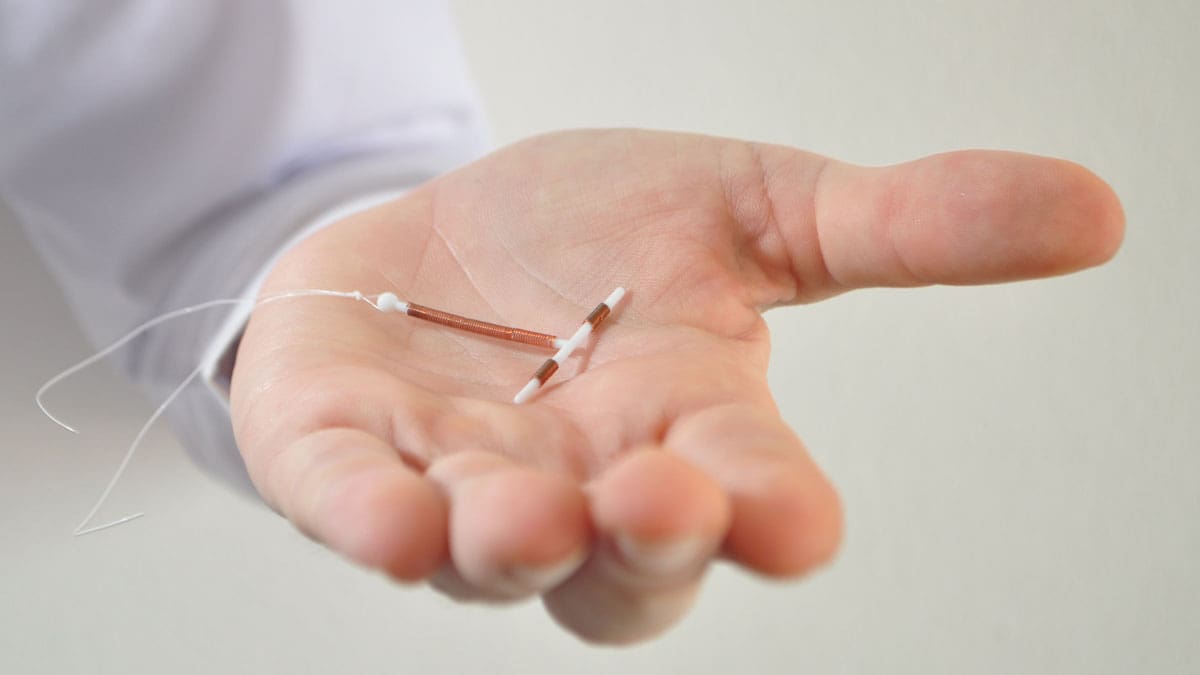
Until February 2025, Paragard was the only FDA-approved copper intrauterine device (IUD) available in the United States. For more than three decades, it offered women a hormone-free, long-acting form of birth control, becoming one of the country’s most widely prescribed contraceptive devices. Its ability to provide highly effective pregnancy prevention for up to 10 years without the use of hormones has made it an important option for millions of women.
In 2020, however, lawsuits filed in federal courts across the country were consolidated into multidistrict litigation (MDL) after plaintiffs raised common allegations that Paragard could fracture during removal, leading to serious injuries. The plaintiffs are questioning whether Paragard’s design and labeling adequately addressed the risk that the device could break during removal, leaving fragments behind in the uterus and, in some cases, requiring additional medical procedures to retrieve them.
According to the lawsuits, the T-shaped device may fracture as its flexible arms fold inward during removal. Plaintiffs contend that the manufacturers knew, or should have known, about this risk and failed to adopt a safer design or provide adequate warnings to physicians and patients. The companies involved deny these allegations and maintain that Paragard is a safe and effective medical device when used as intended.
As thousands of lawsuits continue through the federal MDL, the courts are now evaluating these competing positions through bellwether trials and other significant pretrial rulings.
| Important: Note that these lawsuits do not challenge the effectiveness of copper IUDs as a form of contraception, nor do they allege that every Paragard device is defective. Instead, they raise product-specific allegations about whether Paragard’s design and the warnings provided to physicians and patients adequately addressed the risk of fracture during removal, which is a type of claim commonly seen in defective medical device product liability litigation. |
Paragard Lawsuits: The Design Question
Like other intrauterine devices (IUDs), Paragard is designed to provide long-term contraception from inside the uterus. Its T-shaped frame helps the device remain securely positioned after insertion while maximizing contact within the uterine cavity. Wrapped in copper wire, the device continuously releases copper ions that create an environment hostile to sperm, making fertilization highly unlikely without the use of hormones.
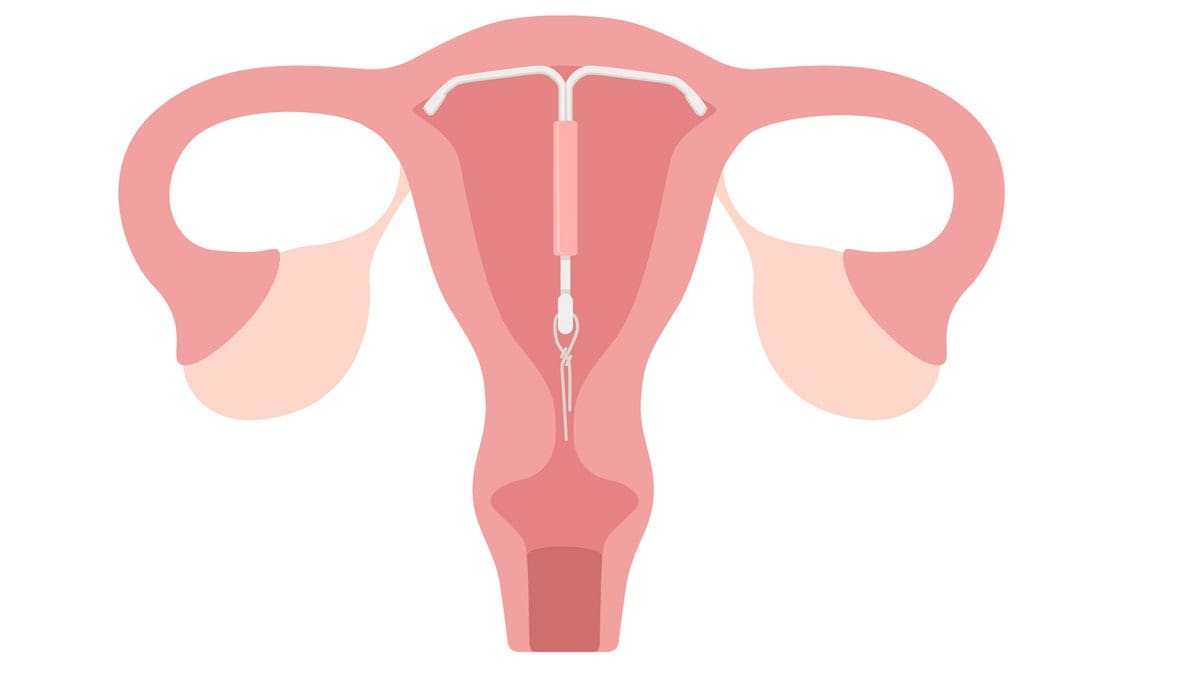
This combination of long-lasting protection, hormone-free contraception, and a “fit-and-forget” design helped make Paragard one of the most widely used IUDs in the United States. Once inserted by a healthcare provider, the device can remain effective for up to 10 years before it is removed or replaced.
The T-shaped design also plays an important role during removal. Two flexible horizontal arms extend from the top of the device while it is in place. When a healthcare provider gently pulls on the retrieval strings, those arms are intended to fold downward against the vertical stem, allowing the IUD to pass safely through the cervix in one piece. For the vast majority of patients, this removal process is routine and uncomplicated.
When Routine Removal Doesn’t Go as Planned
The current litigation centers on what plaintiffs allege happened when that process did not work as intended.
According to the lawsuits, some Paragard devices fractured during removal instead of folding inward, with one or both plastic arms breaking away from the main stem. In certain cases, fragments allegedly remained inside the uterus, requiring additional procedures such as hysteroscopy or surgery to locate and remove the retained pieces.
Plaintiffs contend that these fractures were not simply isolated medical complications but the result of a defect in Paragard’s design and inadequate warnings about the risk of breakage. Specifically, they argue that the device’s plastic frame may become more susceptible to fracture after years inside the body, creating stresses at the junction where the horizontal arms meet the stem during removal. The manufacturers dispute these allegations and maintain that Paragard remains a safe and effective medical device whose benefits outweigh its known risks.

Whether those reported fractures represent an inherent design defect or an uncommon complication associated with an otherwise effective medical device is one of the central questions the courts will ultimately decide.
For a free legal consultation, call (725) 900-9000
Paragard Lawsuits: History and Status (2026)
As Paragard remained on the market for decades, more women eventually reached the point at which the device needed to be removed. Either the IUD’s approved lifespan was ending, they wished to become pregnant, or they chose a different form of contraception. While removal is routine in most cases, some women reported that the device fractured during the procedure instead of being removed intact.
The Medical Complications
According to medical reports and the allegations raised in the litigation, some Paragard devices broke when a healthcare provider applied gentle traction to the retrieval strings. Rather than folding inward as intended, one or both horizontal arms allegedly separated from the main stem, leaving fragments inside the uterus.
When this occurs, removal may become significantly more complicated. Depending on the location of the retained fragment, patients may require additional imaging to confirm its presence, followed by procedures such as hysteroscopy to retrieve the broken pieces. In some situations, more invasive surgery may be necessary if the fragment has become embedded or cannot be removed through less invasive methods.
Plaintiffs have reported a range of injuries following these events, including pelvic pain, bleeding, infection, uterine perforation, scarring, fertility concerns, and the physical and emotional impact of undergoing unexpected medical procedures. As with any medical device, however, not every reported complication has the same cause, and the existence of an injury alone does not establish that the device was defective.

What Plaintiffs Allege
Plaintiffs allege that the manufacturers knew, or should have known, that Paragard presented a greater risk of fracturing during removal than physicians and patients were led to expect. They contend that the device’s design made breakage more likely after years of implantation and that stronger warnings or a safer design could have reduced the risk of injury.
The defendants dispute these allegations. They maintain that Paragard has been demonstrated to be a safe and effective contraceptive, that its benefits outweigh its known risks, and that the product’s design and labeling satisfy applicable regulatory requirements.
Ultimately, the courts will not decide whether every fractured Paragard was defective. Instead, they will determine whether plaintiffs can present sufficient evidence to prove that the device’s design or warnings were legally inadequate and that those alleged shortcomings caused their injuries.
Status of the Paragard Lawsuits (August 2026)
The Paragard litigation has now progressed well beyond the initial filing of individual lawsuits. After years of coordinated discovery, expert testimony, and pretrial proceedings, the federal multidistrict litigation (MDL) has entered a phase where early jury trials are beginning to test the strengths and weaknesses of both sides’ arguments.
2020: Federal Cases Were Consolidated
In December 2020, the U.S. Judicial Panel on Multidistrict Litigation established MDL No. 2974 in the U.S. District Court for the Northern District of Georgia. Consolidating similar federal lawsuits before a single judge allows the parties to conduct coordinated discovery, resolve common legal issues, and avoid duplicating the same work in courts across the country.
At this point, it’s important for plaintiffs to note that an MDL is not the same as a class action. Each plaintiff retains an individual claim and must still prove that Paragard (allegedly) caused their own injuries.
2021–2025: Discovery and Bellwether Preparation
Over the next several years, the parties exchanged millions of pages of documents, deposed company representatives and expert witnesses, and litigated numerous evidentiary and procedural issues. During this period, the court also selected representative cases for bellwether trials.
Bellwether trials serve as test cases. Although their verdicts apply only to the individual plaintiffs involved, they provide valuable insight into how juries may respond to the scientific evidence, expert testimony, and legal arguments presented by both sides. Those results often influence future settlement discussions and litigation strategy.
2026: The First Bellwether Trial
One of the most significant developments in the Paragard litigation came in early 2026, when the first federal bellwether case went before a jury in the Northern District of Georgia.
The case involved a plaintiff, who alleged that her Paragard IUD fractured during removal and that the manufacturers failed to adequately warn patients and healthcare providers about the risk of breakage. Following a two-week trial, the jury returned a verdict in favor of the defendants, rejecting Rickard’s failure-to-warn claim. The manufacturers maintained throughout the case that Paragard is a safe and effective contraceptive and that its labeling adequately disclosed the product’s known risks.
Although the verdict represented an important victory for the defense, it did not end the multidistrict litigation or determine the outcome of the thousands of remaining lawsuits. Bellwether trials are intended to test representative claims and provide both sides with insight into how juries respond to complex scientific evidence, expert testimony, and competing legal theories.
As such, a single verdict, regardless of whether it favors the plaintiff or the defendant, does not bind other plaintiffs whose cases involve different medical histories, evidence, or alleged injuries. This case simply provides valuable guidance for the litigation going forward, offering both parties a clearer picture of how jurors may evaluate expert testimony on Paragard’s design, the adequacy of its warnings, and whether the evidence supports a finding that the manufacturers should be held legally responsible for injuries allegedly caused by device fracture during removal.
Those lessons are likely to shape future bellwether trials, settlement discussions, and overall litigation strategy as the MDL continues.
What Happens Next?
Despite the first defense verdict, thousands of Paragard lawsuits remain pending in the federal MDL, and additional bellwether trials are expected as the litigation continues.
Future trial outcomes may shape settlement negotiations, but no global settlement has been reached. The parties continue to litigate issues relating to expert testimony, product design, causation, and warnings, meaning the litigation remains active and continues to evolve.
For individuals considering legal action, the most important takeaway is that the Paragard litigation is far from over. Courts are still evaluating the evidence, and each claim will ultimately depend on its own facts, medical records, and the ability to establish a connection between the alleged defect and the plaintiff’s injuries.
Click to contact our personal injury lawyers today
Do You Have a Potential Paragard Lawsuit?
If you believe you were injured after a Paragard IUD fractured during removal, it is important to seek appropriate medical care first. Prompt evaluation can help identify retained fragments and ensure that any necessary treatment is not delayed. It can also create medical records that accurately document the circumstances surrounding the injury.
If you are considering legal action, preserving evidence is going to be the second most important part. Depending on the circumstances, helpful evidence may include:
- Medical records relating to the insertion and removal of the device
- Imaging studies or surgical records documenting retained fragments
- Pathology reports, if available
- The removed Paragard device or broken fragments, if they were preserved
- Records of follow-up treatment and any ongoing complications
An experienced product liability attorney can evaluate whether your circumstances are consistent with the allegations being litigated in the Paragard MDL. They can also determine whether your claim falls within the applicable statute of limitations, identify the evidence needed to support your case, and explain how the multidistrict litigation process may affect your legal options.
Because every case is different, the fact that someone experienced a fractured Paragard does not automatically mean they have a viable lawsuit. Likewise, a defense verdict in one bellwether trial does not prevent other individuals from pursuing claims based on different facts or evidence. A thorough review of your medical history and the circumstances surrounding your injury by an experienced personal injury lawyer at Van Law Firm may be the best way to determine what legal action may be appropriate.
Complete a Free Case Evaluation form now
How Van Law Firm Can Help
Medical device litigation often involves complex questions of engineering, medicine, and product liability law. Successfully pursuing these cases requires establishing how the alleged defect caused the injury and presenting evidence that meets the legal standards applied by the courts.
At Van Law Firm, our attorneys have experience representing clients in complex product liability and mass tort litigation involving defective medical devices and dangerous consumer products. We understand the scientific and legal issues these cases present, and we work closely with medical experts and other professionals to evaluate each claim on its own merits.
If you believe you suffered complications after a Paragard IUD fractured during removal, our team can review your situation, explain your legal options, and determine if you qualify to pursue compensation. An initial consultation allows you to ask questions, understand where your case may fit within the ongoing litigation, and make an informed decision about your next steps.
If you would like to learn more about your legal rights, contact Van Law Firm today to schedule a free, no-obligation case evaluation. Our attorneys are available to discuss your circumstances, answer your questions, and help you determine the best path forward.
No obligation consultations are always free.
Let Us Help You! Call Now: (725) 900-9000 RECOVERING COMPENSATION FOR PLUMBING DEFECTS
Often times construction defects, like a plumbing problem, are not readily apparent. In fact, a construction defect can exist for a long period of time before it is discovered and, all the while, i...
 How to Recover Compensation for Foundation Defects
The foundation of a home supports the entire structure so it is incredibly important that it be free from construction defects. Foundation defects can manifest as floor cracking, stucco cracks, dryw...
 HOW TO RECOVER COMPENSATION FOR ROOFING AND STUCCO DEFECTS
Roofing defects and other defects with a home’s exterior can cause serious damage to a property. A roof defect can allow water to penetrate your home, resulting in water damage to framing, drywall, ...
 What to Do When a Construction Defect Causes Water Damage
Water damage is one of the most common types of construction defects, and it can result in significant damage to your home. Not only is it an expensive hassle, but it can also result in other proble...