
Injuries Caused by Distracted Driving in Nevada
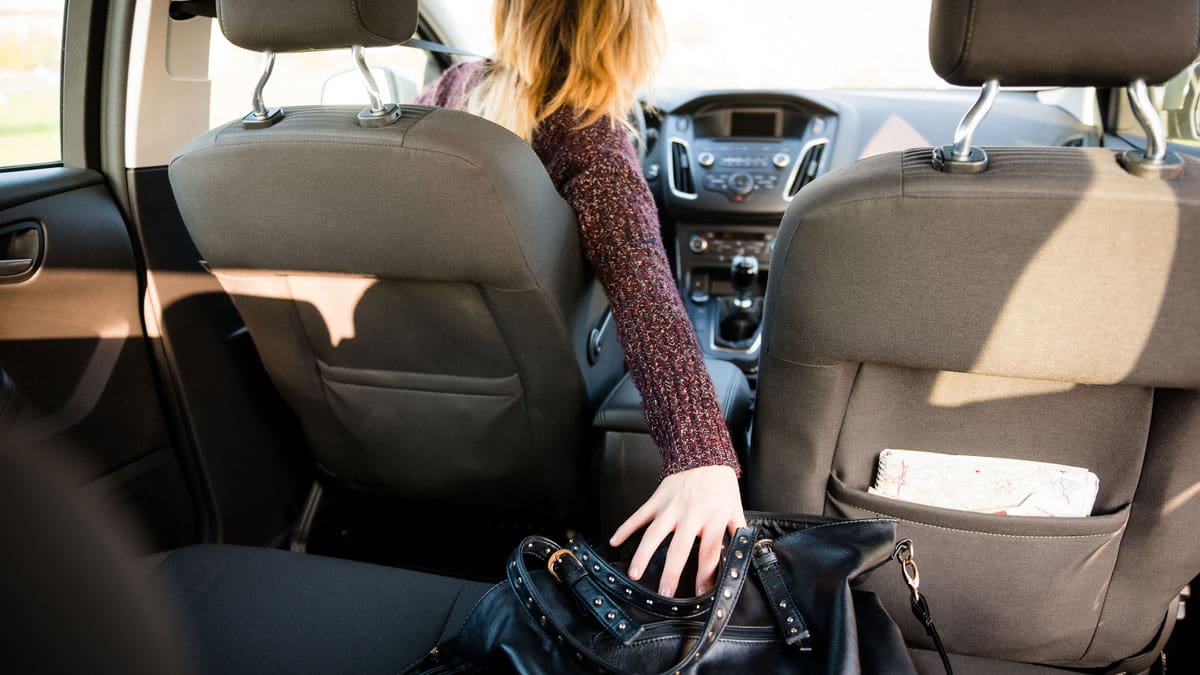
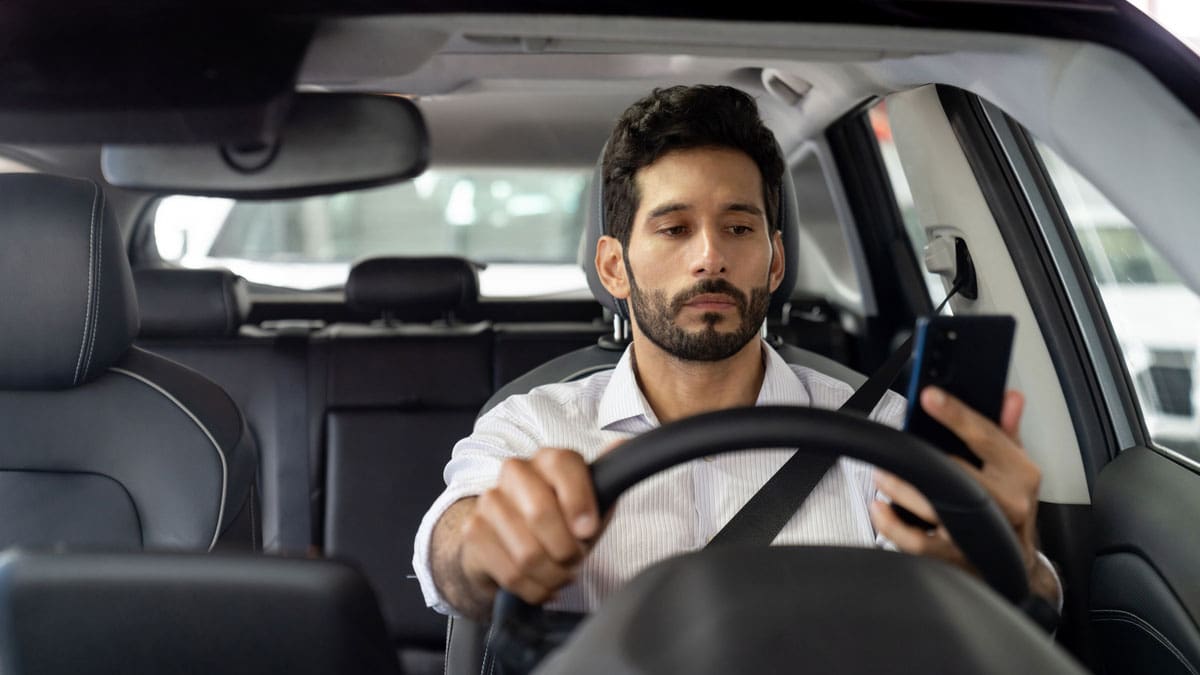
Distracted driving has become one of the most common causes of injury crashes on Nevada roads. A driver who looks down at a phone for two seconds while traveling at 40 miles per hour covers more than 100 feet of roadway without watching where the vehicle is going. Whether the distraction is a text message, a navigation app, a passing conversation, or something as simple as eating behind the wheel, the effect on driving performance is measurable, and often leads to serious harm.
The National Highway Traffic Safety Administration reports that hundreds of thousands of injuries occur nationally from distracted driving crashes every year. Nevada’s population centers along the Las Vegas Strip, in Henderson and Reno, and along the I-15 and I-80 corridors see their share of these incidents. Understanding what counts as distracted driving under Nevada law, what injuries these crashes tend to produce, and how a case is proven is essential for anyone injured by a distracted driver.
What Counts as Distracted Driving
The National Highway Traffic Safety Administration categorizes driver distractions into three types, each of which affects safety in a different way:
- Visual distractions that take the eyes off the road, including reading text messages, checking navigation, or looking at passengers
- Manual distractions that take the hands off the steering wheel, including eating, drinking, adjusting controls, or reaching for objects
- Cognitive distractions that take the mind off driving, including phone conversations, emotional stress, or mental preoccupation with non-driving tasks
Some activities create only one type of distraction. Others, particularly texting, produce all three at once. A driver reading a message takes their eyes off the road, their thumbs off the wheel, and their attention off the task of driving. The combined effect is one of the most dangerous behaviors on the road, and it is present in a significant share of Nevada crashes each year.
For a free legal consultation, call (725) 900-9000
Nevada’s Distracted Driving Law
Nevada prohibits handheld device use behind the wheel under NRS 484B.165. The statute makes it illegal to type or enter text into a handheld wireless device, send or read data or messages, or engage in voice communication without a hands-free arrangement while driving. The law covers cellular phones, personal digital assistants, pagers, and text messaging devices.
Violations carry escalating fines that begin at $50 for a first offense within seven years, rise to $100 for a second offense, and reach $250 for third and subsequent offenses. Fines can be doubled in work zones and pedestrian safety zones. First offenses are not treated as moving violations, but second and later offenses carry demerit points on the driver’s license.
The statute includes limited exceptions for emergency communications, on-duty law enforcement, firefighters, and emergency medical personnel. Voice-operated GPS systems and mounted, hands-free calling systems are not prohibited.
A violation of NRS 484B.165 can also serve as important evidence of negligence in a civil injury case. When a driver has been cited for handheld device use in connection with a crash, the citation supports the argument that the driver breached the legal duty of care owed to others on the road.

Common Injuries in Distracted Driving Crashes
Distracted driving crashes tend to involve certain injury patterns because the distracted driver often does not brake or steer to avoid the collision. The full force of the impact is absorbed by the vehicles and occupants. Common injuries include:
- Traumatic brain injuries and concussions from head contact with airbags, steering wheels, or side pillars
- Spinal cord injuries from rear-end and side-impact collisions
- Herniated and ruptured discs in the cervical and lumbar spine
- Fractures of the ribs, sternum, and clavicle from seat belt restraint
- Broken arms, wrists, and hands from bracing at impact
- Internal organ injuries from blunt force trauma
- Lacerations, road rash, and abrasions from broken glass and debris
Rear-end collisions caused by distracted driving are particularly common. When a driver takes their eyes off the road at highway speeds, even a brief lapse can cover the distance needed to stop before hitting a slowed or stopped vehicle. Occupants of the struck vehicle can sustain whiplash-type injuries, herniated discs, and concussions even at moderate impact speeds.
Higher-speed distracted driving crashes on Nevada highways can produce more severe injuries because the vehicles involved may be traveling at 65 miles per hour or more. At those speeds, the distance covered during even a brief lapse of attention is substantial. A driver who looks down for two seconds at highway speed covers nearly 200 feet before looking up. When that lapse coincides with a lane change, traffic slowdown, or unexpected obstacle, the resulting crash can involve high-energy impacts and multiple vehicles.

Click to contact our personal injury lawyers today
Proving Distraction After a Crash
Distracted driving cases often turn on the ability to prove what the at-fault driver was doing at the moment of the crash. Distracted drivers rarely admit to the behavior, and physical evidence of distraction is often not visible at the scene. Key sources of evidence in these cases include:
- Cell phone records obtained through subpoena showing calls, texts, and data use at the time of the crash
- Event data recorders in modern vehicles that record braking, acceleration, and speed
- Dashcam footage from either vehicle or from nearby witnesses
- Surveillance footage from nearby businesses, traffic cameras, or residential systems
- Witness statements from other drivers, passengers, and pedestrians
- Social media posts that show the driver interacting with a phone shortly before the crash
- Vehicle infotainment system data logs that record the driver’s inputs
Cell phone records are one of the most important sources of proof in distracted driving cases. Records can show whether the driver was in the middle of a call, sending or receiving a message, or actively using an app at the moment of impact. Obtaining these records requires prompt legal action, because the carrier’s retention periods can be as short as a few months.
Beyond phone records, investigators may also look for evidence that the driver was engaged with in-vehicle infotainment systems, dashboard displays, or navigation aids. Modern vehicles record extensive data about driver inputs, and this information can corroborate or contradict a driver’s account of events. When available, this data provides a level of detail that simple witness accounts cannot match.
Complete a Free Case Evaluation form now
Who Can Be Held Liable
The most obvious defendant in a distracted driving case is the driver whose distraction caused the crash. Nevada law also allows injured parties to pursue claims against other parties whose actions or negligence contributed to the harm. Potential defendants include:
- The driver of the vehicle that caused the crash
- The employer of the driver, when the driver was working at the time of the crash
- A rideshare or delivery platform, when the driver was actively dispatched
- The owner of the vehicle, when different from the driver
- A commercial fleet operator with policies that encouraged phone use behind the wheel
Cases involving commercial drivers are particularly important because employers can sometimes be held responsible under respondeat superior, a Latin term meaning “let the superior answer.” When an employer requires drivers to respond to dispatch messages, complete deliveries within tight windows, or use phone-based navigation, that pressure can support additional legal theories against the company.
Compensation Available After a Distracted Driving Crash
Injured drivers in Nevada may be eligible to recover compensation for a range of losses tied to a distracted driving crash. Damages typically pursued include:
- Emergency room treatment and ambulance transport
- Hospital bills, surgical costs, and inpatient care
- Diagnostic imaging such as CT scans, MRIs, and X-rays
- Follow-up care with orthopedic specialists, neurologists, and rehabilitation providers
- Prescription medications and durable medical equipment
- Physical therapy and occupational therapy
- Property damage and vehicle repair or replacement
- Pain and suffering
- Loss of enjoyment of life
The total value of a claim depends on the severity of the injuries, the medical documentation available, the resources of the responsible parties, and the strength of the evidence connecting the distracted driving conduct to the harm.
Statute of Limitations in Nevada
Nevada law sets strict deadlines for filing personal injury claims. Under the state’s two-year statute of limitations, an injured driver generally has two years from the date of the crash to file a lawsuit.
Cases involving government entities, commercial vehicles, or specialized federal regulations can involve additional procedural rules. Notice requirements against government entities can be as brief as six months. Missing the applicable deadline can permanently bar recovery, regardless of how strong the underlying case may be.
How Van Law Firm Can Help
Van Law Firm represents drivers, passengers, and pedestrians injured by distracted drivers throughout Nevada. The firm has handled cases involving texting, phone calls, navigation app use, social media, and other forms of driver inattention. Our attorneys move quickly to preserve phone records, event data recorder information, and surveillance footage before these sources of evidence become unavailable, and we work with accident reconstructionists and medical specialists to build strong claims against every responsible party.
Van Law Firm serves clients throughout Nevada, including Las Vegas, Henderson, Reno, and surrounding communities.
No Fees Unless You Win
Van Law Firm handles personal injury cases on a contingency fee basis. This means:
- There are no upfront costs to begin your case
- You pay no hourly fees during the representation
- Legal fees are only collected if compensation is recovered
- Consultations are free and confidential
Contact Van Law Firm Today
If you or someone close to you has been injured by a distracted driver in Nevada, Van Law Firm is ready to evaluate the case and identify every party whose negligence may have contributed. Free consultations help injured people understand their legal options under Nevada law.
No obligation consultations are always free.
Let Us Help You! Call Now: (725) 900-9000 INSTALLATION OF POSITIVE TRAIN CONTROL TECHNOLOGY
Railroads are required to install positive train control technology but a report by the FRA shows that while some railroads have made significant progress, many freight and commuter railroads are no...
 KIDS WITH GUNS: WHO IS LIABLE?
Gun owners may be liable for the injuries and deaths that are caused when kids accidentally shoot someone. Of the 265 kid-with-gun shootings reported in 2015, 83 resulted in a death. Forty-one young...
 CUMULATIVE TRAUMA ON THE TRACKS
Cumulative trauma injuries accumulate over time and often result in severe injuries for railroad workers. Railroad workers operate in hostile environments where life-changing accidents are common, b...
 E-SCOOTER DANGERS: THE COST OF CONVENIENCE
E-scooters are becoming increasingly popular across the United States and riders need to be aware of the dangers involved. These motorized vehicles are a top transportation choice among commuters in...