
Hernia Mesh Mass Tort Update: Where the Litigation Stands in 2026
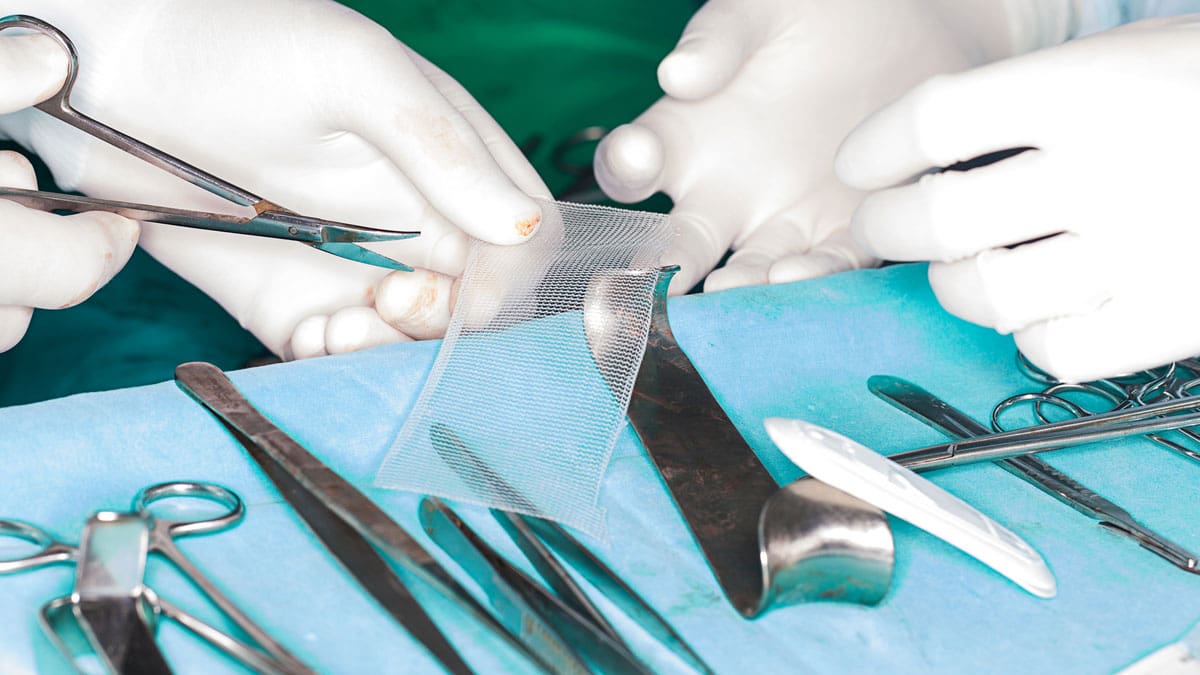
Every year, hundreds of thousands of Americans undergo hernia repair surgery. One of the biggest advances in these procedures has been the widespread use of surgical mesh, which is a medical implant designed to reinforce weakened tissue, reduce hernia recurrence, and help patients recover with fewer complications than traditional suture-only repairs.
For many patients, hernia mesh has been a miracle treatment. But other patients across the United States have reported chronic pain, recurrent infections, bowel injuries, mesh migration, organ adhesions, and multiple revision surgeries following implantation of certain hernia mesh products.
These allegations have led to thousands of product liability lawsuits against several manufacturers, including Covidien, raising important questions about device design, product testing, and whether surgeons and patients received adequate warnings about the risks.
The litigation continues to evolve in 2026, with cases progressing through coordinated federal proceedings while courts examine scientific evidence, expert testimony, and internal company documents. This update explores why these lawsuits were filed, where the litigation stands today, and what patients should know if they believe they were harmed by a Covidien hernia mesh implant.
The Covidien Hernia Mesh Lawsuits: A Brief History
A hernia develops when an organ or fatty tissue pushes through a weakened area of muscle or connective tissue, creating a bulge that can become painful or, in severe cases, life-threatening. Although small hernias can sometimes be monitored, many eventually require surgery to prevent complications such as incarceration or strangulation of the affected tissue.
Historically, surgeons repaired hernias by stitching the weakened muscle back together. While effective in many cases, these repairs placed considerable tension on surrounding tissue and were associated with relatively high recurrence rates.

The introduction of surgical mesh changed that approach when surgeons began implanting a synthetic mesh over or beneath the weakened area, creating a scaffold that reinforces the abdominal wall while encouraging the patient’s own tissue to grow into the material. Numerous studies have shown that mesh repair can significantly reduce hernia recurrence and has become the preferred approach for many inguinal, ventral, and incisional hernias.
Covidien (now part of Medtronic following its 2015 acquisition) became one of the largest manufacturers of hernia repair products in the world. Its portfolio has included widely used devices such as the Parietex™, Parietene™, Symbotex™, and other synthetic mesh products designed for both open and laparoscopic procedures.
Most patients who receive these implants recover without serious complications. However, no implant is entirely risk-free, and over time, reports began to emerge of patients experiencing complications that allegedly extended beyond the recognized risks typically associated with hernia surgery itself.
Why Are Patients Filing Lawsuits Against Covidien?
The lawsuits are not based simply on the fact that complications occurred after surgery. Every surgical procedure carries known risks, and hernia repair is no exception.
Instead, plaintiffs allege that certain Covidien mesh products were defectively designed or manufactured, making them more likely to fail after implantation than patients and surgeons were led to expect. According to the complaints, some meshes were prone to excessive shrinkage, degradation, adhesion to surrounding organs, chronic inflammatory reactions, migration, or failure to properly integrate with the body’s tissues.
For many patients, the consequences allegedly extended well beyond the initial operation. Rather than resolving the underlying hernia, some individuals required one or more additional surgeries to remove or revise the implanted mesh, a process that can be considerably more complex than the original repair. In some cases, complete removal may not be possible because the mesh has become embedded in surrounding tissue or attached to vital organs.
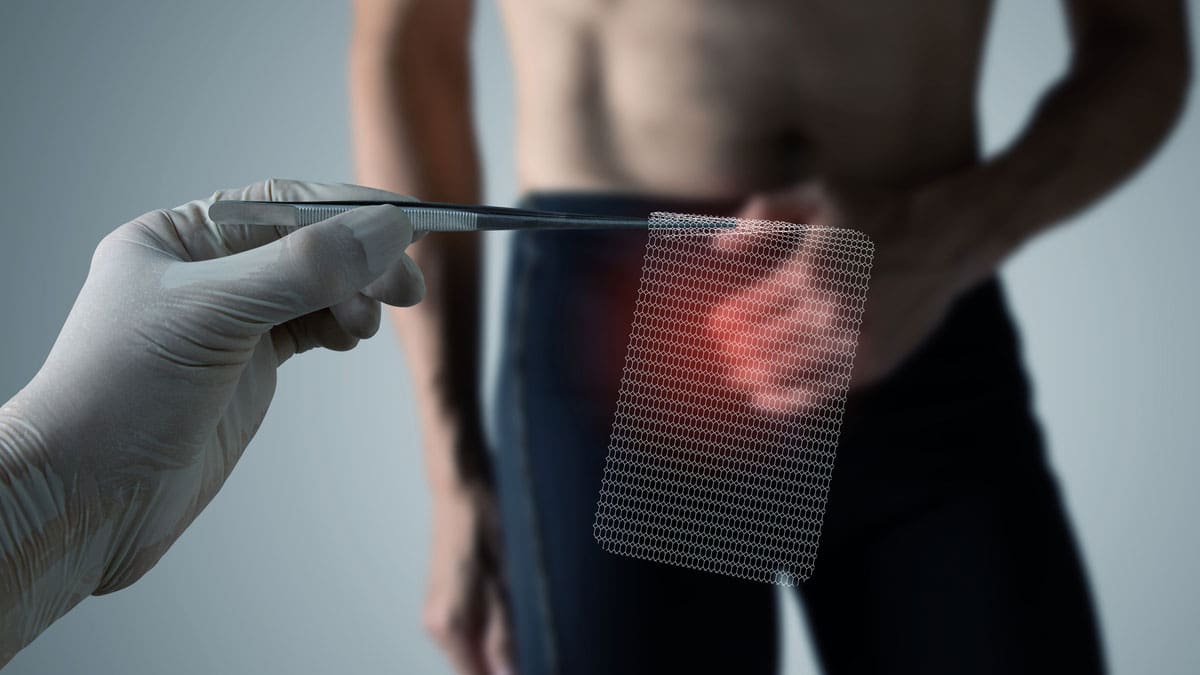
These allegations form the foundation of the current litigation. Plaintiffs contend that manufacturers knew, or should have known, that certain products carried greater risks than reflected in their labeling, product testing, or marketing materials. Covidien and its parent company, Medtronic, deny these allegations and maintain that their products are supported by scientific evidence and remain safe and effective when used appropriately.
The litigation, therefore, turns on a series of questions that extend beyond whether a complication occurred. Courts will ultimately examine whether the alleged injuries resulted from known surgical risks or from defects in the design, manufacture, or warnings associated with the mesh itself. Those issues now lie at the heart of the Covidien hernia mesh lawsuits.
For a free legal consultation, call (725) 900-9000
The Engineering Questions Behind the Covidien Hernia Mesh Cases
The Covidien hernia mesh litigation focuses on the long-term performance of a permanent medical implant inside the human body.
The plaintiffs’ allegations contend that certain Covidien mesh products contained design characteristics that made serious complications more likely than patients and surgeons had been led to expect. In the filings, several engineering and biological issues have become central to the litigation.
Mesh Shrinkage and Deformation
One of the most common allegations involves mesh contraction after implantation. Although some degree of shrinkage is considered a normal part of the healing process, plaintiffs allege that certain mesh products contracted far more than anticipated.
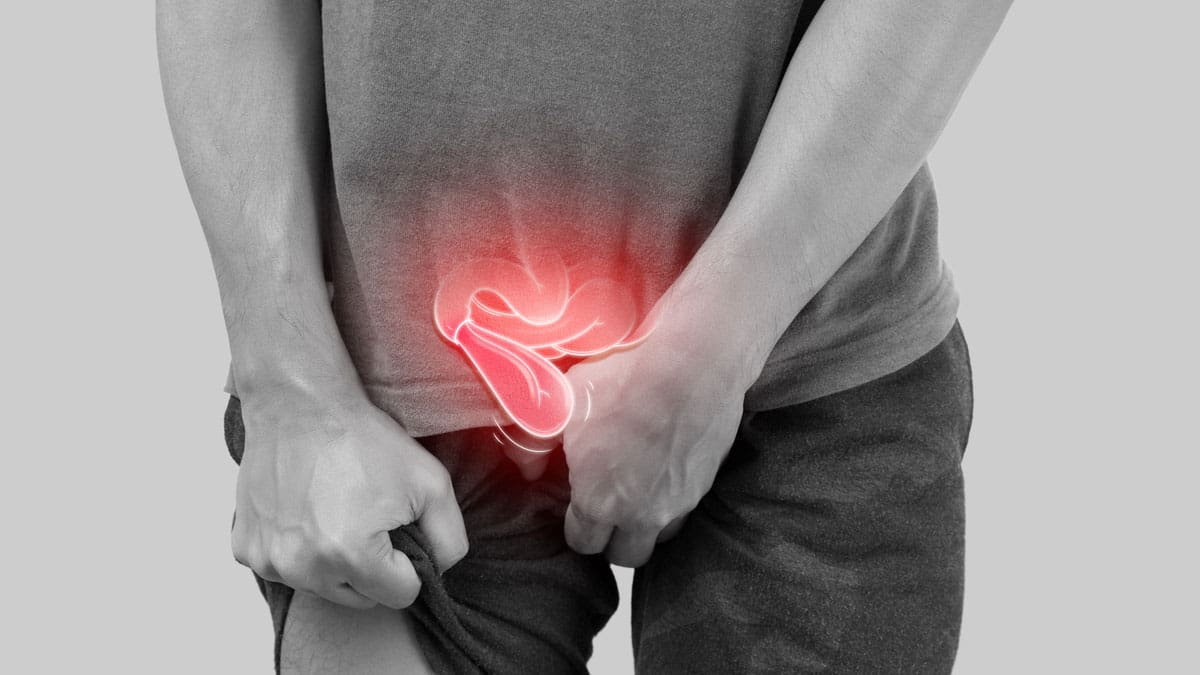
Excessive shrinkage can place tension on surrounding tissue, distort the original repair, and contribute to chronic pain or recurrent hernias. In some cases, surgeons have reported finding folded or “balled-up” mesh during revision procedures, making removal considerably more difficult.
Chronic Inflammatory Response
Surgical mesh is designed to provoke a controlled inflammatory response that encourages the body’s tissues to grow into the implant and strengthen the repair.
The lawsuits allege that certain products instead triggered excessive or prolonged inflammation. Rather than improving healing, this chronic immune response may contribute to persistent pain, dense scar tissue, nerve irritation, and complications that continue long after the original surgery has healed.
Adhesion, Migration, and Organ Injury
Another recurring allegation is that some mesh products adhered to nearby organs or migrated from their original position after implantation.
When this occurs, patients may develop bowel obstruction, bowel perforation, fistulas, infections, or recurrent hernias requiring additional surgery. Because the mesh often becomes incorporated into surrounding tissue over time, revision procedures can be significantly more complicated than the initial operation and may carry their own risks of organ damage.
These engineering and biological questions have become a central focus of expert testimony. The litigation ultimately seeks to determine whether these complications represent known surgical risks or whether they resulted from defects in the design of specific Covidien mesh products.
Covidien Hernia Mesh Litigation Timeline (June 2026)
The Covidien hernia mesh lawsuits form part of the broader federal hernia mesh litigation that has developed over the past several years. Although multiple manufacturers have been named in separate proceedings, claims involving Covidien products continue to move forward as courts address common scientific and engineering issues surrounding permanent surgical mesh implants.
2014–2018: Lawsuits Increase
As reports of chronic pain, infections, mesh failure, adhesion, and revision surgeries increased, patients across the United States began filing product liability lawsuits against several manufacturers, including Covidien. While each case involved different medical histories and mesh products, many shared similar allegations of defective design and inadequate warnings.
2019–2020: Federal Litigation Accelerates
As filings increased nationwide, the Judicial Panel on Multidistrict Litigation created coordinated federal proceedings for several hernia mesh manufacturers. Covidien cases became part of these broader efforts to streamline discovery, expert testimony, and pretrial rulings involving common scientific issues while preserving each plaintiff’s individual claim.
2021–2023: Discovery and Expert Testimony
During this phase, both sides exchanged millions of pages of technical documents, internal communications, product testing records, and expert reports. Plaintiffs sought evidence regarding device design, material performance, product testing, and what manufacturers knew about complication rates before the products were marketed.
At the same time, courts heard extensive expert testimony concerning polypropylene degradation, mesh shrinkage, foreign body response, surgical technique, and the biological behavior of implanted mesh over time.
2024–June 2026: Litigation Continues to Develop
Unlike some pharmaceutical mass torts that have reached global settlements, the Covidien litigation remains active.
Courts continue to resolve pretrial motions, evaluate expert evidence, and prepare representative cases for trial where appropriate. Settlement discussions have occurred in portions of the broader hernia mesh litigation involving other manufacturers, but claims involving Covidien continue to be evaluated individually based on the specific product implanted, the patient’s medical history, and the nature of the alleged injuries.
Click to contact our personal injury lawyers today
Where the Litigation Stands Today
Although no single ruling has determined that Covidien mesh products are defective, the litigation has reached a stage where courts are carefully evaluating detailed engineering evidence alongside individual patient outcomes.
Several themes continue to shape the lawsuits:
- Design defect allegations involving the construction and long-term performance of certain mesh products.
- Failure-to-warn claims alleging surgeons and patients were not adequately informed of known or foreseeable risks.
- Medical causation, including whether complications were caused by the mesh itself or represented recognized risks of hernia repair surgery.
- Revision surgery evidence, which often becomes an important factor in demonstrating both the extent of the injury and the condition of the implanted mesh after removal.
For prospective plaintiffs, the key takeaway is that these lawsuits remain active. Individuals who have experienced serious complications following implantation of a Covidien hernia mesh product may still have legal options, depending on the facts of their case and the applicable filing deadlines.
Complete a Free Case Evaluation form now
Hernia Mesh Complications: Eligibility for a Legal Claim
Not every complication following hernia repair surgery is evidence of a defective medical device. Even when a procedure is performed correctly and an implant functions as intended, patients can still experience infections, chronic pain, or hernia recurrence. Those risks are generally discussed as part of the informed consent process before surgery.
The lawsuits against Covidien involve a different question: whether certain complications resulted from defects in the mesh itself rather than from the inherent risks of surgery.
From a legal perspective, one complication alone is rarely enough to establish liability. Attorneys instead look at the complete medical picture, including the type of mesh implanted, the nature of the complication, the timing of symptoms, imaging studies, operative reports, and whether surgeons identified mesh-related problems during revision surgery.
While every case is unique, plaintiffs often report experiences such as:
- Persistent or worsening abdominal or groin pain that continued long after normal surgical recovery.
- Mesh migration, shrinkage, or folding identified through imaging or during subsequent surgery.
- Adhesions, bowel obstruction, bowel perforation, or other injuries involving nearby organs.
- Chronic infection or inflammatory complications that required prolonged treatment.
- One or more revision surgeries to repair, remove, or replace the implanted mesh.
- A recurrent hernia despite an apparently successful initial repair.
These complications do not automatically establish that a mesh product was defective. However, when they are supported by medical records, operative findings, and expert review, they may strengthen a product liability claim.
Perhaps most importantly, if you or a loved one has been a victim, do not assume that you don’t have legal options simply because complications developed months or even years after the original surgery. Hernia mesh injuries often evolve gradually, and many patients only learn that their symptoms may be related to the implanted device after consulting another surgeon or undergoing revision surgery.
Speak With a Defective Medical Device Lawyer
The Covidien hernia mesh litigation continues to evolve as courts examine engineering evidence, expert testimony, and allegations concerning product design and manufacturer warnings. While the legal issues are complex, the question facing many patients is much simpler: Could my injuries have been prevented?
If you underwent hernia repair surgery with a Covidien mesh implant and later experienced serious complications, consulting an experienced defective medical devices lawyer can help you better understand your legal options. Evaluating these claims often requires a detailed review of operative reports, imaging studies, pathology findings, and medical records to determine whether the injuries are consistent with known mesh-related complications.
The personal injury attorneys at Van Law Firm continue to handle defective drug and medical device cases. Book your free, no-obligation consultation where we’ll evaluate your Covidien hernia mesh case and discuss the next steps available to you.
No obligation consultations are always free.
Let Us Help You! Call Now: (725) 900-9000 INSTALLATION OF POSITIVE TRAIN CONTROL TECHNOLOGY
Railroads are required to install positive train control technology but a report by the FRA shows that while some railroads have made significant progress, many freight and commuter railroads are no...
 KIDS WITH GUNS: WHO IS LIABLE?
Gun owners may be liable for the injuries and deaths that are caused when kids accidentally shoot someone. Of the 265 kid-with-gun shootings reported in 2015, 83 resulted in a death. Forty-one young...
 CUMULATIVE TRAUMA ON THE TRACKS
Cumulative trauma injuries accumulate over time and often result in severe injuries for railroad workers. Railroad workers operate in hostile environments where life-changing accidents are common, b...
 E-SCOOTER DANGERS: THE COST OF CONVENIENCE
E-scooters are becoming increasingly popular across the United States and riders need to be aware of the dangers involved. These motorized vehicles are a top transportation choice among commuters in...