
Bard PowerPort Lawsuit Update: Three Bellwether Verdicts and Settlement Talks
Last updated: November 11, 2026
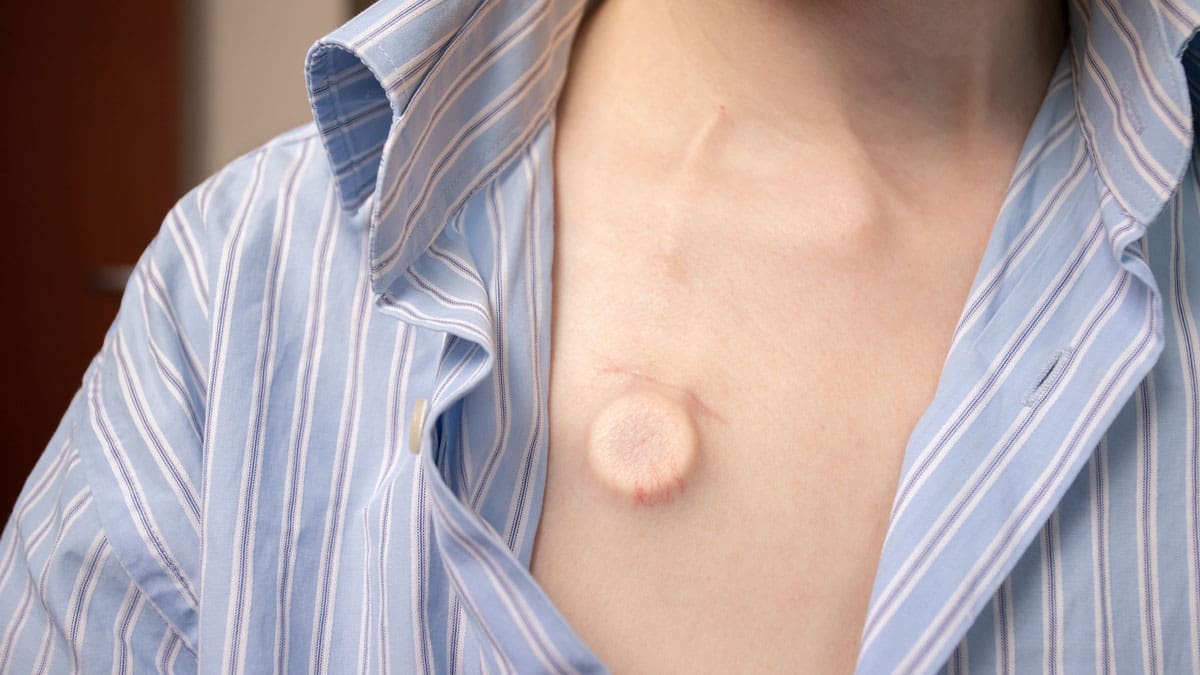
The Bard PowerPort litigation has reached a turning point. Three bellwether trials have now gone to verdict, with sharply different results: a win for the plaintiff in a catheter fracture case and defense outcomes in two infection cases. The parties have also begun working with the court on a process for settlement discussions.
These developments offer an early look at how juries evaluate claims against C.R. Bard and its parent company, Becton, Dickinson and Company (BD). With more than 4,300 lawsuits pending, they are likely to shape settlement discussions, although they do not determine the outcome of any other person’s claim.
In June 2026, we published a detailed guide to Bard PowerPort lawsuits, covering the alleged device defects, reported complications, and who may be eligible to file a claim. This update builds on that coverage, examining the three bellwether verdicts, the status of settlement talks, and what they mean for people who were injured.
Bard PowerPort Bellwether Trials: Three Verdicts, Different Outcomes
Bellwether trials are test cases selected to show how juries respond to the evidence and arguments likely to come up again and again across the litigation. Three have now gone before juries in MDL 3081, the federal multidistrict litigation pending in the U.S. District Court for the District of Arizona before Judge David G. Campbell.
First Bellwether Trial (Infection): Partial Defense Verdict
The first trial involved a plaintiff who alleged that his Bard PowerPort caused a bloodstream infection and sepsis. The trial began in April 2026, and the jury returned its decision in early May.
The jury found in Bard’s favor on the failure-to-warn, failure-to-instruct, and consumer-fraud claims. It could not reach a unanimous decision on the design-defect and unlawful-trade-practices claims, leaving those issues unresolved rather than deciding them for either side. The plaintiff has since asked the court for a new trial, arguing that the jury instructions were flawed.
At trial, Bard argued that the infection may have resulted from how the port was handled during at-home care rather than from a defect in the device. The plaintiff maintained that contamination during handling was a foreseeable risk that Bard should have anticipated and addressed.
Second Bellwether Trial (Catheter Fracture): Jury Finds Bard Liable
The second trial produced the litigation’s first plaintiff victory. On September 4, 2026, a federal jury found Bard liable on strict-liability and negligent design-defect claims, as well as strict-liability and negligent failure-to-warn claims, and awarded the plaintiff compensatory damages.
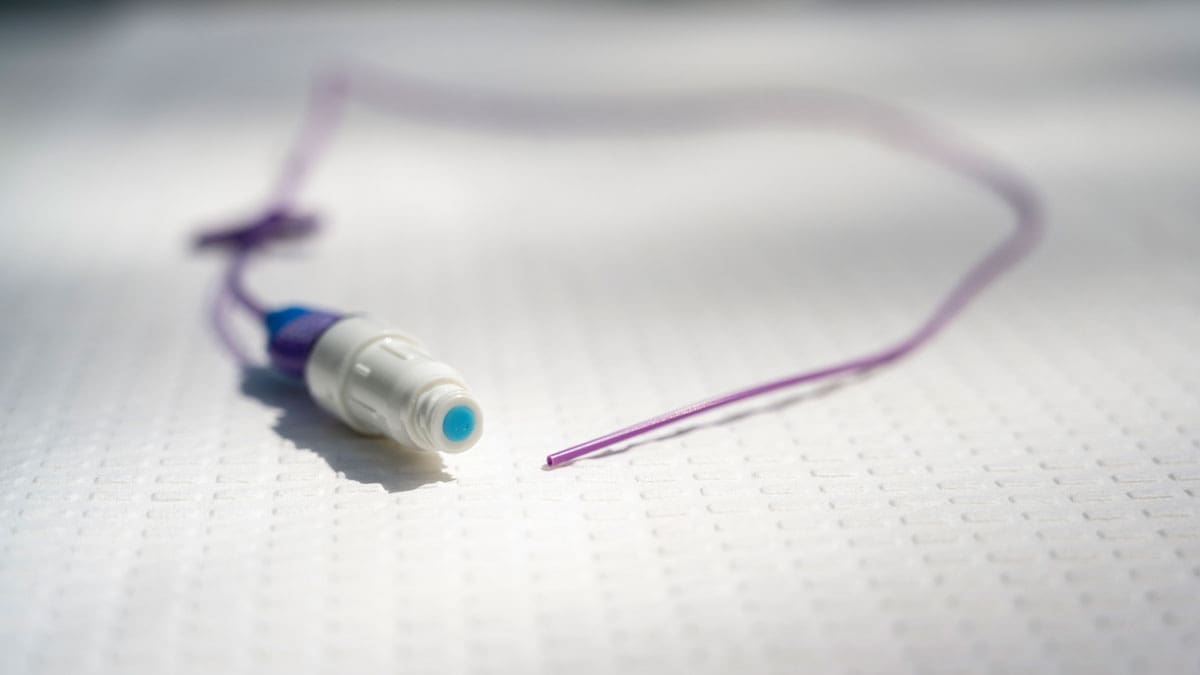
The plaintiff received a Bard PowerPort in 2017. About two years later, a section of the catheter fractured, and fragments traveled through her bloodstream and lodged in her heart, requiring emergency surgery. She alleged that the injury led to further cardiac complications and ongoing treatment.
The jury rejected the manufacturing-defect and fraudulent-concealment claims and did not award punitive damages. Bard has asked the court for a new trial, and the verdict remains subject to post-trial motions and a possible appeal.
The verdict is an important development for people whose port catheters fractured. However, a jury award in one case is not a settlement value. Settlement amounts are reached through negotiation, depend on each person’s medical facts and documented losses, and can differ substantially from what a jury awards after a full trial.
Third Bellwether Trial (Infection): Defense Verdict
The third trial again centered on an alleged PowerPort-related bloodstream infection that required removal of the device. Before trial, on September 25, 2026, Judge Campbell denied Bard’s request to end the case without a trial. Among other things, the court noted that the device’s Instructions for Use did not warn of catheter-related bloodstream infection and concluded that Bard’s warnings could not be found adequate as a matter of law.

The trial began on October 13, and on October 30 the jury returned a verdict for Bard. The trial had been structured so that punitive damages would be considered in a separate phase only if the jury first found Bard liable. Because it did not, that phase never took place.
For a free legal consultation, call (725) 900-9000
Why Did the Verdicts Differ?
Physical Device Failure Versus Infection Claims
In the fracture case, the jury could evaluate a tangible device failure: a component of the implanted catheter broke, fragments migrated, and the patient suffered documented injuries that required surgery. The central questions were whether the catheter was defectively designed and whether Bard adequately warned about the risk.
Infection cases present a harder causation question. A bloodstream infection in a patient with an implanted port does not, by itself, show that the device was defective or caused the infection. Bacteria can be introduced in several ways, including when the port is accessed and cared for, and patients who need ports often have serious underlying illnesses that raise their risk of infection. Neither infection jury found Bard liable.
What the Verdicts Mean for Other Claims
The two defense verdicts may strengthen Bard’s position in infection cases, particularly where there are competing explanations for how an infection developed. They do not mean infection claims cannot succeed. Medical records, culture results, the timing of the infection, and expert testimony differ from patient to patient, and the court’s pretrial ruling on Bard’s warnings about bloodstream infection remains relevant to these claims. The same is true of claims involving catheter-related blood clots (thrombosis).
For every claim, showing that an injury occurred is not enough. A patient must also present evidence connecting a defect in the device to the injury. Our guide to proving fault and damages in personal injury lawsuits explains some of the principles involved.

Settlement Talks Are Underway
Earlier this year, Judge Campbell directed the parties to begin discussing settlement. In early November, they submitted a joint proposal to the court on how the remaining cases could move toward resolution, and the court is now reviewing it.
The details of that process could still change, and no global settlement has been announced. One issue under consideration is a possible cutoff date for filing new cases in the MDL. If the court sets one, people who have not yet filed may have limited time to join the federal litigation.
Meanwhile, the number of claims continues to grow. According to the Judicial Panel on Multidistrict Litigation’s November 2, 2026 report, 4,345 cases were pending in MDL 3081, up from 3,376 in June 2026.
Because a filing cutoff may be set, and state filing deadlines also apply, it is important to have a potential claim reviewed promptly.
Click to contact our personal injury lawyers today
Who May Qualify for a Bard PowerPort Lawsuit
You may qualify for a free case review if all of the following apply:
- You or a loved one received a Bard PowerPort implantable port; and
- You were diagnosed with one of the following complications:
- Catheter fracture, including a catheter fragment that broke off inside the body
- Catheter-related bloodstream infection that developed more than seven days after the port was implanted
- Catheter-related thrombosis (a blood clot associated with the catheter); and
- The port had to be removed because of that fracture, infection, or blood clot.
Timing matters. Filing deadlines are set by state law, vary from state to state, and can be short. If your port was removed recently, contact us as soon as possible.
Records That Can Help
- Medical records showing when the port was implanted and identifying the device as a Bard PowerPort.
- Records of the diagnosis, such as blood culture results for an infection or imaging for a fracture or blood clot.
- The operative report from the surgery to remove the port, including the reason it was removed.
- Records of additional treatment, medical expenses, lost income, and other losses.
You do not need to have every record before contacting us. Part of the case review is identifying what is needed.
Complete a Free Case Evaluation form now
How Van Law Firm Can Help
Van Law Firm works with national counsel on mass tort litigation. If your claim qualifies, it may be referred to, or handled jointly with, a national law firm experienced in multidistrict litigation.
If you or a loved one had a Bard PowerPort removed because of a fractured catheter, an infection, or a blood clot, contact Van Law Firm for a free, no-obligation case review.
No obligation consultations are always free.
Let Us Help You! Call Now: (725) 900-9000 Forklift Accidents & Lawsuits
Forklift incidents commonly occur in the workplace and can cause serious injuries or even death. There are around 20,000 workers in the United States who suffer from these injuries each year. In an ...
 Video Games: Innocent Fun or addictive menace?
If your child was seriously injured due to video game addiction, Van Law Firm Can Help Video Games are everywhere and there is hardly anyone who does not know what they are. More than 200 million pe...
 What You Need To Know About Filing A Suboxone Tooth Decay Lawsuit
Not all that long ago, opioid misuse was so rampant in the United States that experts classified it as a crisis. They say the trouble started back in the 1990s, when prescription opioid medications ...
 Your Rights as a Pedestrian in Las Vegas Crosswalk Accidents
Las Vegas is one of the busiest pedestrian cities in the country, with millions of residents and visitors crossing streets every day, especially along the Strip, in downtown areas, and near resident...