
ATV and Off-Road Vehicle Accidents in Nevada: Causes, Locations, and Injuries
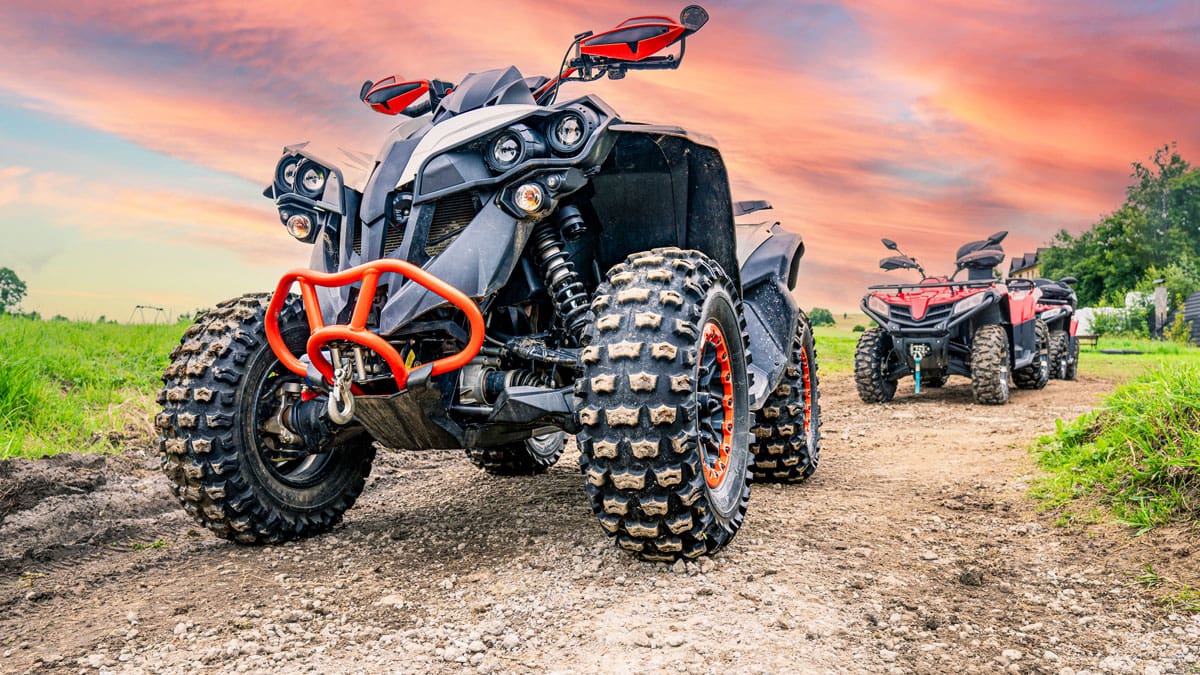
Nevada’s open desert terrain, dune systems, and backcountry trails draw thousands of riders each year to operate all-terrain vehicles, side-by-sides, dirt bikes, and other off-highway vehicles. The freedom of riding through Sand Mountain, Logandale Trails, or the Nellis Dunes Recreation Area also comes with significant risk. Rollovers, collisions, ejections, and crashes involving fixed objects send riders to emergency rooms across the state every season.
Off-road vehicle injuries can be devastating because riders typically have little protection from the impact, the terrain, or the weight of the machine itself. Understanding what kinds of vehicles fall under Nevada’s off-highway rules, where crashes most often occur, what causes them, and what injuries tend to result can help riders make better decisions before heading out and respond more effectively if something goes wrong.
What Counts as an Off-Road Vehicle in Nevada
Nevada law uses the term off-highway vehicle (OHV) to describe a wide range of recreational machines designed for use on unpaved surfaces. Common examples include:
- All-terrain vehicles (ATVs), often called four-wheelers or quads
- Utility task vehicles (UTVs) and side-by-sides such as Polaris RZRs and Can-Am Mavericks
- Dirt bikes and other off-road motorcycles
- Dune buggies and sand rails
- Snowmobiles used on snow-covered terrain
- Trail bikes and pit bikes operated off public roads
- Modified jeeps and trucks used primarily for rock crawling or trail riding
These vehicles are subject to registration requirements through the Nevada Department of Motor Vehicles, and most must display an OHV decal when operated on public land. The relevant rules are codified in Chapter 490 of the Nevada Revised Statutes.

For a free legal consultation, call (725) 900-9000
Common Locations for Off-Road Accidents in Nevada
Off-road incidents occur across the state, but several areas see a high concentration of crashes due to their popularity and terrain:
- Nellis Dunes Recreation Area outside Las Vegas, one of the most heavily used OHV areas in the country
- Sand Mountain Recreation Area near Fallon, known for its towering dunes
- Logandale Trails System in Clark County, with mixed terrain and technical sections
- Amargosa Dunes near Beatty
- Moapa Valley and surrounding backcountry routes
- Private ranches and unmarked desert trails throughout rural Nevada
- Lake Mead National Recreation Area, where designated OHV routes exist
Many of these locations are managed by the Bureau of Land Management, and each presents distinct hazards, from soft sand and hidden drop-offs to rocky outcroppings and unmarked obstacles.
Common Causes of Off-Road Vehicle Crashes
Off-road accidents rarely have a single cause. Most involve a combination of rider error, mechanical issues, environmental conditions, and decisions made by other parties. Frequent causes include:
- Operator inexperience or lack of formal training on the specific vehicle
- Excessive speed for the terrain or visibility conditions
- Riding under the influence of alcohol or drugs
- Mechanical failures involving brakes, steering, throttle, or suspension
- Defective or improperly maintained safety equipment such as roll cages and seat belts
- Carrying passengers on vehicles designed for a single rider
- Collisions with other riders, fixed objects, or wildlife
- Sudden terrain changes such as washouts, drop-offs, or buried debris
- Riding without protective gear including helmets, goggles, and chest protectors
- Tour operator or guide negligence during commercial excursions
Riders are also more likely to crash when traveling in unfamiliar areas, riding at night, or operating vehicles loaded beyond their rated capacity. The Consumer Product Safety Commission has identified rider behavior, vehicle type, and protective gear as the most consistent factors in serious ATV injuries.

Click to contact our personal injury lawyers today
Typical Injuries from Off-Road Vehicle Accidents
The injuries sustained in OHV crashes tend to be more severe than those seen in standard passenger vehicle collisions. The lack of an enclosed cabin, lower speeds combined with hard impacts, and frequent ejections all contribute. Common injuries include:
- Traumatic brain injuries (TBIs) and concussions, even when helmets are worn
- Skull fractures and facial trauma
- Spinal cord injuries resulting in partial or complete paralysis
- Herniated and ruptured discs in the cervical and lumbar spine
- Compound fractures of the arms, legs, ribs, and clavicle
- Crush injuries from rollovers, particularly in UTV incidents
- Internal organ damage including punctured lungs, lacerated livers, and ruptured spleens
- Severe road rash, abrasions, and degloving injuries
- Amputations involving fingers, hands, or limbs
- Burns from contact with hot engine components or post-crash fires
These injuries frequently require emergency surgery, extended hospitalization, and months of physical therapy. Some riders are left with permanent disabilities that change the course of their lives.
Complete a Free Case Evaluation form now
Insurance Coverage and Off-Road Vehicles
Standard auto insurance policies often exclude coverage for OHVs operated off public roads. Riders may instead need to look to:
- Specialty OHV insurance policies carried by the owner or operator
- Commercial general liability policies held by rental companies or tour operators
- Homeowners insurance, which sometimes covers limited off-road incidents
- Health insurance for medical treatment, subject to subrogation
- Umbrella policies that extend coverage beyond standard limits
Identifying every applicable policy is one of the most important steps in maximizing recovery. Many riders are unaware that multiple sources of coverage may apply to a single incident.

How Van Law Firm Can Help
Van Law Firm represents riders injured in off-road vehicle accidents throughout Nevada. The firm’s attorneys understand the specific terrain, the equipment, and the legal frameworks that govern OHV use, and we draw on accident reconstruction experts, mechanical engineers, and medical specialists to build strong cases for our clients.
Van Law Firm serves clients throughout Nevada, including Las Vegas, Henderson, Reno, and surrounding communities.
No Fees Unless You Win
Van Law Firm handles personal injury cases on a contingency fee basis. This means:
- There are no upfront costs to begin your case
- You pay no hourly fees during the representation
- Legal fees are only collected if compensation is recovered
- Consultations are free and confidential
This structure allows injured riders to access experienced legal representation without adding to the financial strain of recovery.
Contact Van Law Firm Today
If you or someone close to you has been injured in an ATV, UTV, dirt bike, or other off-road vehicle accident in Nevada, Van Law Firm is ready to evaluate your case and explain the options available. Free consultations help injured riders understand their rights and the next steps available under Nevada law.
No obligation consultations are always free.
Let Us Help You! Call Now: (725) 900-9000 Forklift Accidents & Lawsuits
Forklift incidents commonly occur in the workplace and can cause serious injuries or even death. There are around 20,000 workers in the United States who suffer from these injuries each year. In an ...
 Video Games: Innocent Fun or addictive menace?
If your child was seriously injured due to video game addiction, Van Law Firm Can Help Video Games are everywhere and there is hardly anyone who does not know what they are. More than 200 million pe...
 What You Need To Know About Filing A Suboxone Tooth Decay Lawsuit
Not all that long ago, opioid misuse was so rampant in the United States that experts classified it as a crisis. They say the trouble started back in the 1990s, when prescription opioid medications ...
 Your Rights as a Pedestrian in Las Vegas Crosswalk Accidents
Las Vegas is one of the busiest pedestrian cities in the country, with millions of residents and visitors crossing streets every day, especially along the Strip, in downtown areas, and near resident...