
Are You a Victim? Discover the Benefits of Hiring a Traumatic Brain Injury Lawyer
Legally reviewed by Sandy Van (Bar No. 10785). Updated October 2026.
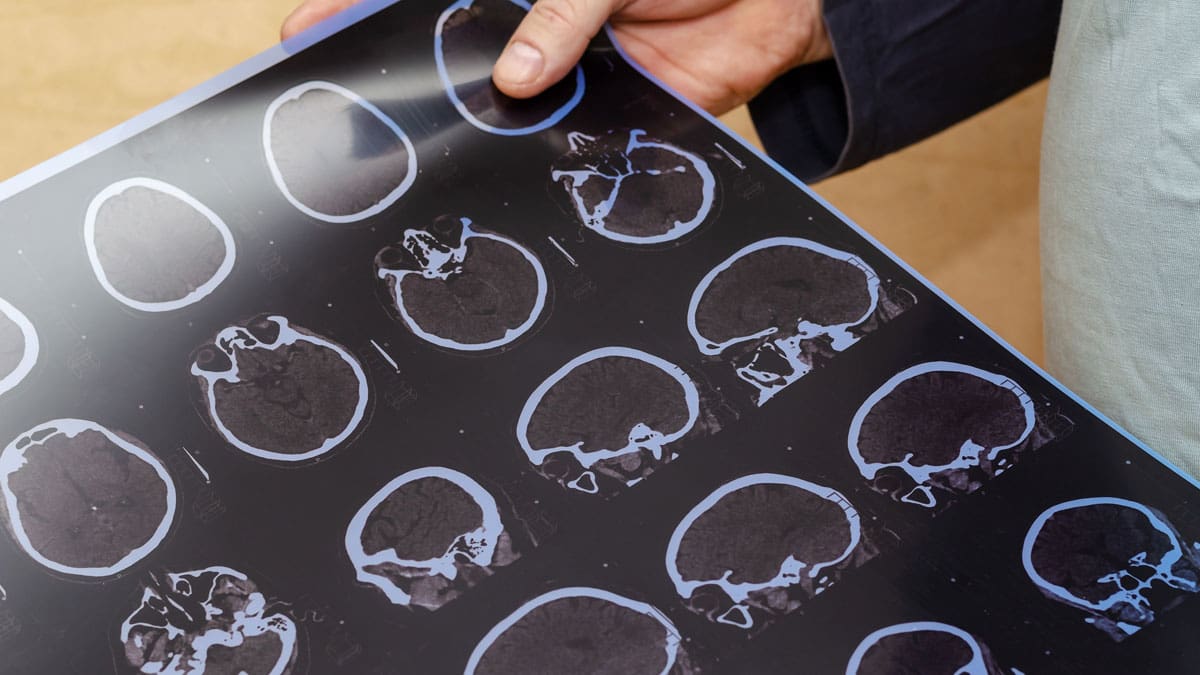
A traumatic brain injury (TBI) is unlike most other injuries. It may not show up on a scan, symptoms can appear days or weeks after an accident, and it often affects memory, concentration, and decision-making, the very abilities a person needs to manage an insurance claim. If someone else’s carelessness caused your brain injury in Nevada, a traumatic brain injury lawyer can protect your claim while you focus on recovery.
Are You a Traumatic Brain Injury Victim?
The Centers for Disease Control and Prevention (CDC) describes a TBI as an injury caused by a bump, blow, or jolt to the head, or a penetrating injury, that disrupts normal brain function. A concussion is a form of TBI.
In Nevada, brain injuries frequently result from:
- Car, truck, motorcycle, pedestrian, and bicycle crashes
- Slip, trip, and fall accidents in casinos, hotels, stores, and parking lots
- Falling objects and unsafe property conditions
- Assaults made possible by inadequate security
- Construction and workplace accidents involving a negligent third party
Symptoms can include headaches, confusion, memory problems, dizziness, sensitivity to light or noise, sleep problems, irritability, and mood changes. You may have a personal injury claim if another person or business acted carelessly, that carelessness caused your brain injury, and the injury led to losses such as medical bills, lost income, or reduced quality of life.

For a free legal consultation, call (725) 900-9000
The Benefits of Hiring a Traumatic Brain Injury Lawyer
1. You Don’t Have to Manage a Complex Claim While Your Brain Heals
Fatigue, memory lapses, and trouble processing information can make it difficult to track paperwork, meet deadlines, or deal with an insurance adjuster. A lawyer handles communication with insurers, collects records, and manages the case, which also relieves family members who are often serving as caregivers.
2. Proving an Injury That Doesn’t Always Show Up on Scans
Standard CT scans and MRIs often appear normal after a concussion or mild TBI, and insurers may use a “clean” scan to argue you were not seriously hurt. A lawyer builds the evidence that shows the true extent of the injury, including treating physicians’ records, neuropsychological testing, medical expert testimony, and statements from family, friends, and coworkers who have noticed changes in you.
3. Calculating the Full, Long-Term Cost of the Injury
Brain injuries can affect a person for years or for life. A lawyer works to account for past and future medical care and rehabilitation, lost wages and reduced earning capacity, in-home care, pain and suffering, and loss of enjoyment of life. Depending on the case, attorneys can work with life-care planners, vocational experts, and economists to put a realistic value on future needs.

4. Finding Every Available Source of Insurance
Nevada law does not cap compensatory damages in most ordinary personal injury cases, such as car accidents and premises liability claims. In practice, however, what you can actually collect usually depends on the available insurance. Many individuals do not have the personal assets to pay a large judgment, so the at-fault party’s policy limits often set the real ceiling on a recovery. Nevada’s minimum auto liability coverage under NRS 485.185 is only $25,000 per injured person and $50,000 per accident, and the cost of treating a serious brain injury can exceed those limits quickly. A lawyer looks for all potential sources of recovery, such as your own uninsured/underinsured motorist (UM/UIM) coverage, an at-fault driver’s employer, negligent property owners, and manufacturers of defective vehicles or equipment.
5. Pushing Back When the Insurer Blames You
Insurers often argue that the injured person was partly at fault. Under Nevada’s modified comparative negligence rule, NRS 41.141, you can still recover as long as your fault is not greater than the combined fault of the defendants, but your award is reduced by your percentage of fault. A lawyer uses accident reports, video footage, witness statements, and in some cases reconstruction analysis to counter these arguments.
6. Avoiding Early Settlement Traps
Adjusters may quickly ask for a recorded statement, broad medical authorizations, or a fast settlement. Because TBI symptoms can develop and worsen over time, an early settlement may not reflect your actual needs, and once you sign a release you generally cannot reopen the claim. A lawyer advises you on what to say, what to sign, and whether an offer is fair.
7. Meeting Nevada Deadlines and Special Rules
Nevada generally allows two years from the date of injury to file a personal injury lawsuit under NRS 11.190(4)(e), and missing this deadline can permanently bar your claim. Special rules apply in some cases such as when government entities are involved. A lawyer identifies which rules apply and acts before key deadlines pass.

8. Being Prepared to Go to Trial
Most personal injury claims settle, but insurers tend to offer more when they know the injured person’s attorney is ready to go to court. A lawyer with litigation experience can file suit, conduct discovery, work with expert witnesses, and present your case to a jury if a fair offer is not made.
When Should You Contact a Traumatic Brain Injury Lawyer?
Speak with a lawyer as soon as possible after getting medical care, ideally before giving a statement to the at-fault party’s insurer or signing any documents. Early involvement helps preserve evidence such as surveillance video, which businesses may overwrite within days or weeks. Most personal injury lawyers handle TBI cases on a contingency fee basis, meaning there are no upfront attorney’s fees and the fee is paid only from a recovery.
Click to contact our personal injury lawyers today
Frequently Asked Questions
Can I file a claim for a concussion? Yes. A concussion is a type of traumatic brain injury. If someone else’s negligence caused it, you may be able to recover compensation for medical expenses, lost income, and other losses.
How long do I have to file a TBI lawsuit in Nevada? Generally two years from the date of injury under NRS 11.190(4)(e). Exceptions may apply, so confirm the deadline for your specific situation.
Does a normal CT scan or MRI mean I don’t have a case? No. Many concussions and mild TBIs do not appear on standard imaging. Neuropsychological testing and physician evaluations can help establish the injury.
What if I was partly at fault? Under NRS 41.141, you can still recover if your fault is not greater than the combined fault of the defendants, but your compensation is reduced by your percentage of fault.
No obligation consultations are always free.
Let Us Help You! Call Now: (725) 900-9000 INSTALLATION OF POSITIVE TRAIN CONTROL TECHNOLOGY
Railroads are required to install positive train control technology but a report by the FRA shows that while some railroads have made significant progress, many freight and commuter railroads are no...
 KIDS WITH GUNS: WHO IS LIABLE?
Gun owners may be liable for the injuries and deaths that are caused when kids accidentally shoot someone. Of the 265 kid-with-gun shootings reported in 2015, 83 resulted in a death. Forty-one young...
 CUMULATIVE TRAUMA ON THE TRACKS
Cumulative trauma injuries accumulate over time and often result in severe injuries for railroad workers. Railroad workers operate in hostile environments where life-changing accidents are common, b...
 E-SCOOTER DANGERS: THE COST OF CONVENIENCE
E-scooters are becoming increasingly popular across the United States and riders need to be aware of the dangers involved. These motorized vehicles are a top transportation choice among commuters in...