
When a Delivery Driver Causes a Crash: Can the Employer Be Held Responsible?

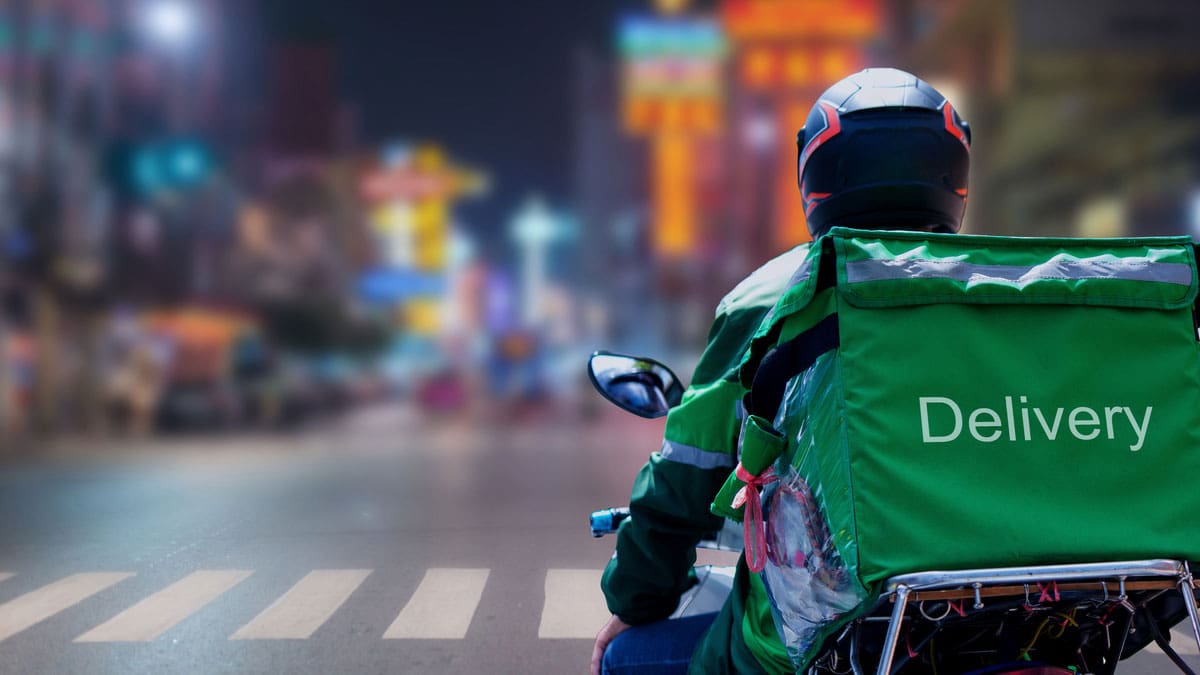
Delivery vehicles have become a permanent feature of Nevada’s roads. Amazon delivery vans, USPS trucks, FedEx and UPS drivers, grocery delivery workers, and food delivery drivers from platforms such as DoorDash, Uber Eats, and Grubhub are on the road at almost every hour of the day. When a delivery driver causes a crash, one of the first and most important questions an injured party faces is whether the company behind the driver can be held financially responsible.
The answer is not always straightforward. Traditional employment relationships trigger clear legal rules for employer responsibility. Independent contractor and gig platform relationships, which now dominate much of the delivery industry, complicate the picture in important ways. Understanding how Nevada law treats delivery driver crashes, and what facts determine whether the employer can be held responsible, is essential for anyone injured in one of these incidents.
Types of Delivery Drivers on Nevada Roads
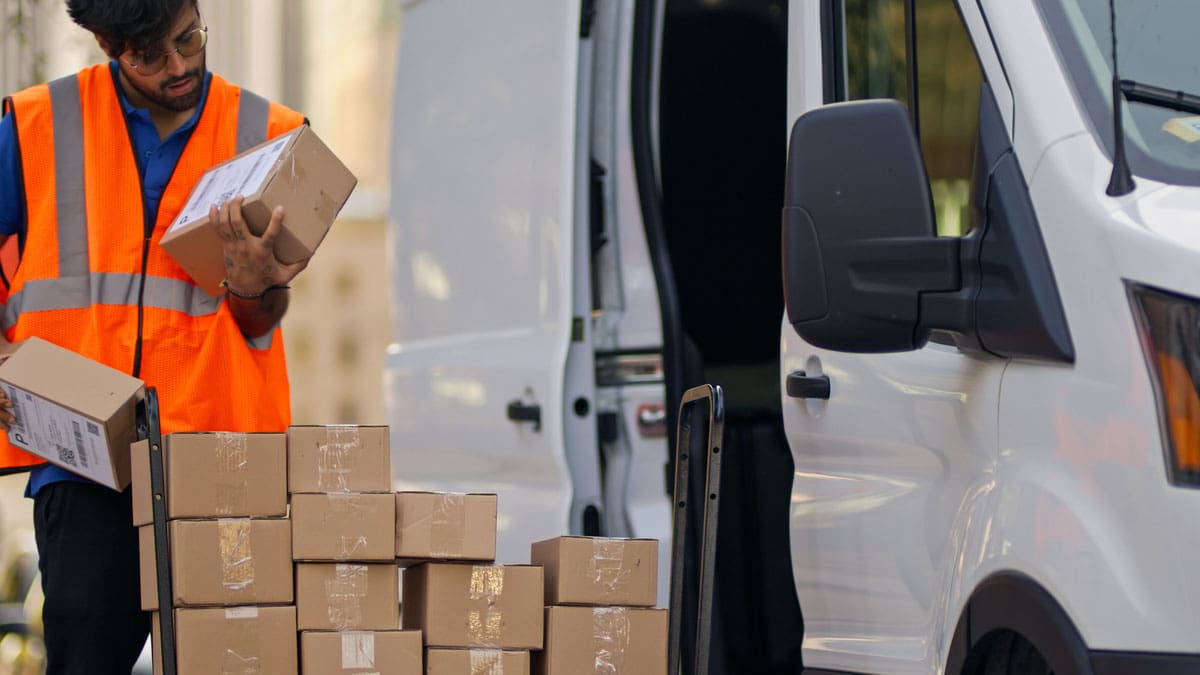
The label delivery driver covers a wide range of employment arrangements, each with its own legal implications. Common categories include:
- W-2 employees driving vehicles owned by their employer
- W-2 employees driving personal vehicles for work purposes
- Independent contractors delivering under contract to a company
- Delivery Service Partner drivers operating under Amazon’s contractor model
- Gig platform drivers using their own vehicles through app-based dispatch
- Local courier and messenger service drivers
- USPS, UPS, and FedEx drivers subject to their own operational rules
Each of these categories can produce a crash. Each one also produces different legal outcomes when the question turns to employer responsibility. Identifying the correct category early in a case is one of the most important investigative tasks in delivery driver claims.
For a free legal consultation, call (725) 900-9000
When an Employer Can Be Held Responsible
The legal doctrine that allows employers to be held responsible for the actions of their employees is respondeat superior, a Latin term meaning “let the superior answer.” Under this doctrine, an employer can be held financially liable for the negligent acts of employees when those acts occurred within the scope of employment. This is one of the most important applications of vicarious liability in personal injury law.
For a delivery driver crash to trigger employer liability under this doctrine, an injured party typically must show:
- An employer-employee relationship existed between the company and the driver
- The driver was performing tasks within the scope of employment at the time of the crash
- The negligent act contributed to the injuries and damages
- The employer had actual authority and control over how the driver performed the work
When a delivery driver strikes another vehicle while making a scheduled delivery in a company van, the analysis is usually straightforward. The employer is responsible because the driver was performing employer-directed work in a company vehicle at the time of the crash.

The Independent Contractor Distinction
The traditional rule is that an employer is not vicariously responsible for the negligent acts of an independent contractor. Companies often rely on this rule by classifying delivery drivers as independent contractors rather than employees. In practice, however, the classification a company assigns does not always control the legal analysis.
Nevada courts look beyond the label and consider factors such as:
- The degree of control the company exercised over how the work was performed
- Who supplied the vehicle, equipment, and tools used for the work
- Whether the worker was paid by the hour, by the job, or by another arrangement
- Whether the worker had the ability to accept or decline specific assignments
- The duration and exclusivity of the working relationship
- Whether the worker held a business license or worked for other clients
- The extent to which the company directed the route, timing, and manner of the deliveries
When a company exercises detailed control over a driver’s schedule, routes, appearance, and conduct, courts may find an employment relationship exists regardless of what the contract calls it. This analysis is highly fact-specific and often becomes the central battleground in delivery driver liability cases.
Click to contact our personal injury lawyers today
Gig Economy Complications
Food delivery and package delivery platforms have created a new category of driver that defies simple classification. DoorDash, Uber Eats, Grubhub, Instacart, and Amazon Flex all use large networks of drivers who operate on flexible schedules, use their own vehicles, and choose which deliveries to accept.
These platforms typically classify their drivers as independent contractors and argue that they are not responsible for driver-caused crashes. In practice, several potential avenues for holding the platform responsible exist:
- Direct negligence claims for inadequate driver screening, training, or oversight
- Negligent hiring or retention claims when the driver had a poor driving history
- Vehicle owner liability when the platform provided the vehicle
- Coverage under commercial insurance policies maintained by the platform
- State law rules that classify certain gig workers as employees for insurance purposes
Insurance considerations often drive the practical outcome of these cases. Most gig platforms maintain commercial liability policies that provide substantial coverage during specific phases of a delivery, such as after a driver has accepted a delivery request and before it is complete. Identifying which phase the driver was in at the moment of the crash can determine what coverage applies.
Complete a Free Case Evaluation form now
Common Delivery Driver Negligence Patterns
Delivery driver crashes tend to follow recurring patterns tied to the pressures of the work. Common negligence patterns include:
- Distracted driving from checking navigation apps, delivery instructions, and dispatch systems
- Speeding to meet delivery quotas or estimated arrival times
- Rushing through intersections and stop signs to save time
- Illegal parking, double-parking, and unsafe roadside stops
- Failing to check mirrors and blind spots before entering traffic
- Backing up without proper visibility in residential neighborhoods
- Fatigue from long shifts or multiple concurrent gig platforms
Each of these patterns can be traced to systemic pressures created by delivery quotas, algorithmic performance monitoring, and pay structures that reward speed. When these pressures directly contribute to a crash, they may support additional legal theories against the company beyond simple vicarious liability.
Multiple Layers of Insurance in Delivery Cases
Insurance coverage in delivery driver cases is often layered and complex. Potential sources of coverage include:
- The driver’s personal auto insurance, subject to commercial-use exclusions
- The company’s commercial auto liability policy
- The company’s commercial general liability policy
- Platform-provided contingent liability coverage that activates during specific delivery phases
- Umbrella policies held by the driver, the company, or the vehicle owner
- Uninsured or underinsured motorist coverage on the injured party’s policy
Personal auto policies often exclude coverage for commercial delivery activity, which can leave a driver personally uninsured for a crash that occurred during a delivery. When personal coverage is denied, identifying and pursuing the applicable commercial and platform coverage becomes critical.
What to Do After a Crash With a Delivery Driver
The steps taken in the hours and days after a delivery driver crash often determine the strength of the resulting claim. Injured parties should:
- Call 911 to request emergency medical response and police presence at the scene
- Photograph the delivery vehicle, any company logos or markings, and any packages or delivery equipment
- Obtain the driver’s name, license, insurance, and any employer identification
- Note the app, platform, or delivery service the driver appears to be working for
- Identify witnesses and collect their contact information before they leave
- Request a copy of the police report and review it carefully for accuracy
- Consult a personal injury attorney before signing any release or accepting settlement offers
Documenting the scene is particularly important in delivery cases because the driver’s employment status, active delivery phase, and equipment can all be relevant to liability. Screenshots of the delivery app on the driver’s phone, if the driver is willing to share, can provide direct evidence of what phase of the delivery the driver was in at the moment of the crash.
Statute of Limitations in Nevada
Nevada law sets strict deadlines for filing personal injury claims. Under the state’s two-year statute of limitations, an injured driver generally has two years from the date of the crash to file a lawsuit.
Cases involving federal delivery agencies such as the United States Postal Service may fall under the Federal Tort Claims Act, which involves a shorter procedural sequence and specific administrative filing requirements. Cases involving out-of-state corporate defendants can involve additional procedural rules. Missing the applicable deadline can permanently bar recovery, regardless of how strong the underlying case may be.
How Van Law Firm Can Help
Van Law Firm represents people injured in crashes involving delivery drivers throughout Nevada. The firm has handled cases involving Amazon delivery vans, USPS and courier vehicles, food delivery platform drivers, grocery delivery workers, and traditional freight and package delivery drivers. Our attorneys work to identify the true employment relationship, uncover all available insurance coverage, and pursue every party whose negligence contributed to the crash, including companies that try to shield themselves through contractor classifications.
Van Law Firm serves clients throughout Nevada, including Las Vegas, Henderson, Reno, and surrounding communities.
No Fees Unless You Win
Van Law Firm handles personal injury cases on a contingency fee basis. This means:
- There are no upfront costs to begin your case
- You pay no hourly fees during the representation
- Legal fees are only collected if compensation is recovered
- Consultations are free and confidential
Contact Van Law Firm Today
If you or someone close to you has been injured in a crash caused by a delivery driver in Nevada, Van Law Firm is ready to evaluate the case and identify every party whose negligence may have contributed. Free consultations help injured drivers understand their legal options under Nevada law.
No obligation consultations are always free.
Let Us Help You! Call Now: (725) 900-9000 Forklift Accidents & Lawsuits
Forklift incidents commonly occur in the workplace and can cause serious injuries or even death. There are around 20,000 workers in the United States who suffer from these injuries each year. In an ...
 Video Games: Innocent Fun or addictive menace?
If your child was seriously injured due to video game addiction, Van Law Firm Can Help Video Games are everywhere and there is hardly anyone who does not know what they are. More than 200 million pe...
 What You Need To Know About Filing A Suboxone Tooth Decay Lawsuit
Not all that long ago, opioid misuse was so rampant in the United States that experts classified it as a crisis. They say the trouble started back in the 1990s, when prescription opioid medications ...
 Your Rights as a Pedestrian in Las Vegas Crosswalk Accidents
Las Vegas is one of the busiest pedestrian cities in the country, with millions of residents and visitors crossing streets every day, especially along the Strip, in downtown areas, and near resident...