
What to Know About Nevada Pedestrian Crosswalk Accidents
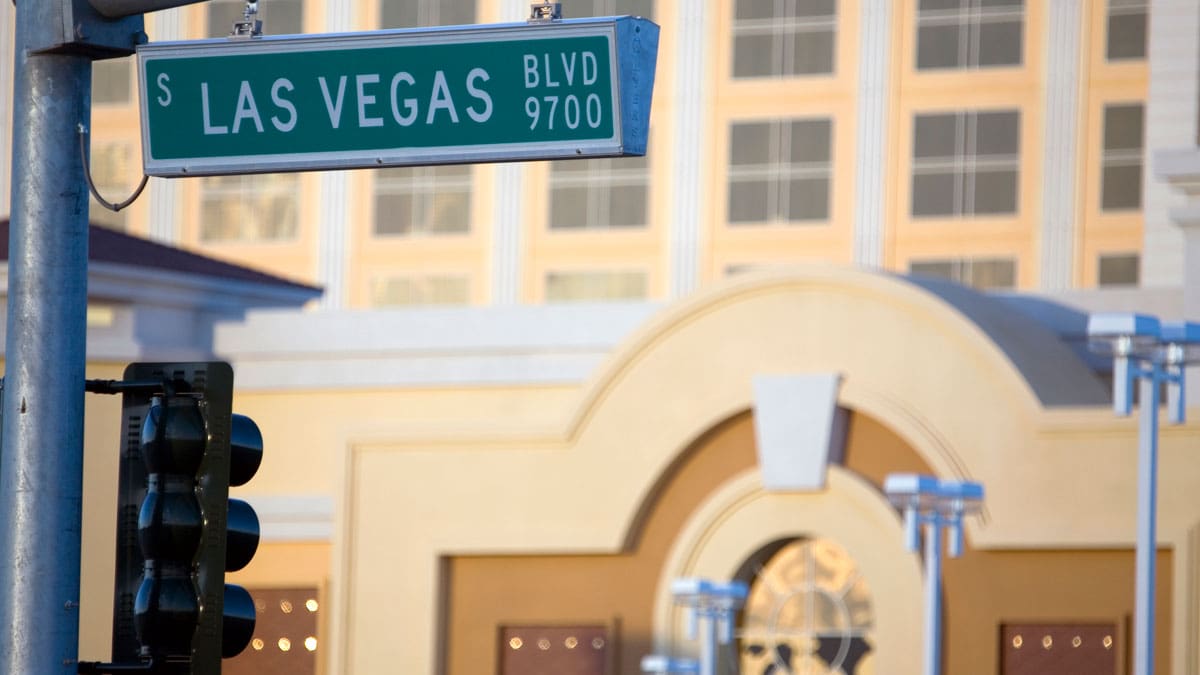
Pedestrian crosswalk accidents are among the most serious collisions on Nevada roads. A pedestrian struck by a moving vehicle has no metal cabin, no airbag, no seat belt, and no crumple zone. Even a low-speed impact can produce significant injuries, and impacts at typical urban driving speeds frequently result in fractures, head injuries, and other serious harm.
Nevada has consistently ranked among the more dangerous states for pedestrians, particularly along the major arterials of Las Vegas and Reno where heavy traffic, long block lengths, and high tourist volume create predictable risk patterns. Understanding how crosswalk accidents happen, what Nevada law actually requires, and what legal options exist for injured pedestrians is essential for anyone affected by one of these incidents.
Where Crosswalk Accidents Most Often Occur in Nevada
Pedestrian crosswalk accidents tend to cluster in specific environments. High-risk locations include:
- Major Las Vegas Strip intersections such as Las Vegas Boulevard at Tropicana, Flamingo, and Spring Mountain
- Downtown Las Vegas, particularly near the Fremont Street Experience
- Crosswalks near schools, parks, and senior living centers
- Wide arterials with long signal cycles and few mid-block crossings
- Areas with active construction or lane closures that disrupt normal pedestrian routes
- Parking lot entrances and exits at large retail centers
- Resort property frontage where guests cross between hotels, attractions, and parking
Long block lengths along major Nevada arterials often leave pedestrians with a choice between walking far out of their way to reach a signalized crossing or crossing where it is most direct. When a crosswalk is poorly marked, poorly lit, or located on a stretch of road where drivers do not expect pedestrians, the risk of a collision increases substantially.
For a free legal consultation, call (725) 900-9000
Common Causes of Crosswalk Accidents
Crosswalk accidents almost always involve some form of driver inattention or rule violation. Common causes include:
- Drivers failing to yield when entering a marked crosswalk
- Drivers making left or right turns without checking for pedestrians in the crossing
- Distracted driving involving phones, navigation systems, or in-vehicle displays
- Impaired driving from alcohol, drugs, or fatigue
- Speeding through intersections, leaving inadequate reaction time
- Drivers running red lights or rolling through stop signs
- Vehicles overtaking other vehicles stopped to yield to pedestrians
The last item is particularly dangerous and is specifically addressed under Nevada law. When one vehicle stops at a crosswalk to allow a pedestrian to cross, drivers in adjacent lanes sometimes assume the lead vehicle is stopped for some other reason and pass it at speed, striking the pedestrian as they reach the next lane.
Nevada Crosswalk Law and Pedestrian Right-of-Way
The core statute governing crosswalk interactions in Nevada is NRS 484B.283. Under this law, drivers must yield the right-of-way to pedestrians crossing within a crosswalk when the pedestrian is on the half of the highway the vehicle is traveling, or when the pedestrian is approaching closely enough from the opposite half to be in danger. The statute requires drivers to slow down or stop as necessary to yield.
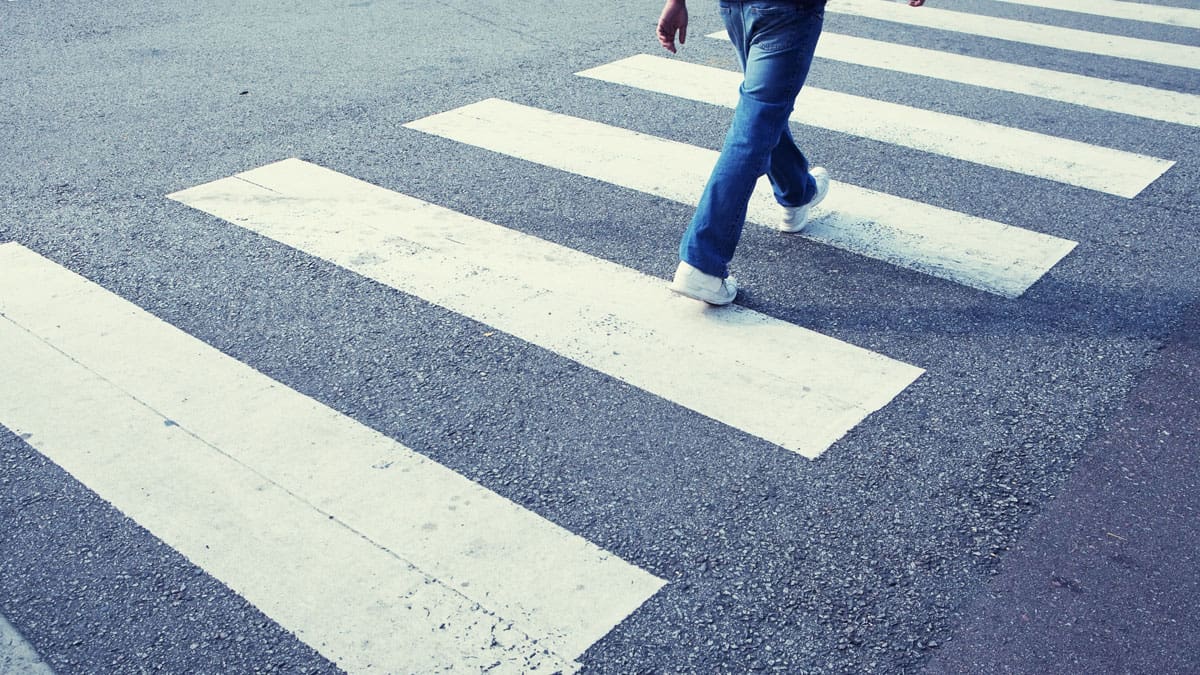
NRS 484B.283 also specifically prohibits a driver approaching from the rear of a vehicle stopped at a crosswalk from overtaking and passing the stopped vehicle without first determining that the stopped vehicle is not yielding to a pedestrian. This rule exists because the screen created by a stopped vehicle in one lane is one of the most common causes of fatal pedestrian strikes.
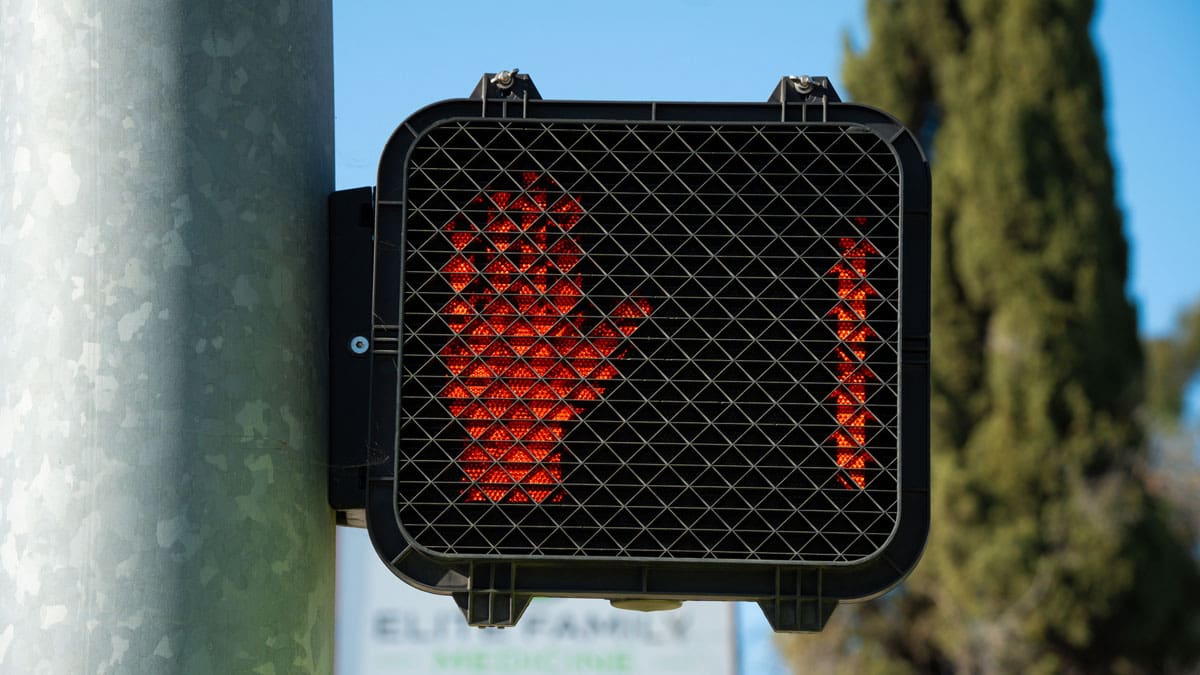
The statute creates corresponding duties on pedestrians as well. A pedestrian may not suddenly leave a curb or other place of safety and walk or run into the path of a vehicle that is so close the driver cannot yield. Pedestrians at signalized intersections must obey Walk and Don’t Walk signals when those signals are present and operational.
The interplay between driver duties and pedestrian duties often becomes the central battleground in a crosswalk injury case. Insurance companies frequently argue that the pedestrian violated some aspect of the statute, even when the facts show the driver bore the larger share of responsibility.
Click to contact our personal injury lawyers today
Common Injuries in Pedestrian Crosswalk Accidents
When a vehicle strikes a pedestrian, the human body absorbs a substantial portion of the impact energy. Common injuries include:
- Traumatic brain injuries from head contact with the vehicle, windshield, or pavement
- Skull fractures and facial trauma
- Spinal cord injuries that can produce partial or complete paralysis
- Pelvic fractures from the initial impact with the vehicle bumper or hood
- Broken legs, knees, and ankles from the initial point of contact
- Internal organ injuries from blunt force trauma
- Severe lacerations, road rash, and abrasions from the secondary impact with the road
The pattern of injuries in a pedestrian strike often follows a recognizable sequence. The bumper makes initial contact with the legs or pelvis. The body then rotates onto the hood, with the head and torso striking the windshield or A-pillars. Finally, the pedestrian is thrown to the pavement, where additional injuries occur on landing. Each phase of this sequence can produce serious harm, and treatment often requires multiple specialists over an extended period.

Complete a Free Case Evaluation form now
Who Can Be Held Liable for a Crosswalk Accident
Liability in pedestrian crosswalk cases depends on the facts of each incident, but multiple parties can sometimes share responsibility. Potentially liable parties include:
- The driver who struck the pedestrian
- The employer of the driver, when the driver was on the clock at the time of the crash
- A commercial vehicle operator or rideshare company
- A property owner whose driveway, parking lot, or premises created the conditions for the crash
- A government entity responsible for inadequate signage, lighting, or crosswalk maintenance
- A construction contractor whose work zone forced pedestrians into unsafe routes
Claims against government entities involve special procedural rules, including shortened notice periods that can be as brief as six months. Pedestrians struck in or near construction zones or in areas with malfunctioning traffic signals should consult an attorney promptly to preserve all available claims.
What to Do After a Crosswalk Accident in Nevada
The hours and days after a pedestrian crash often determine the strength of the resulting claim. Injured pedestrians should:
- Accept emergency medical evaluation at the scene, even if injuries appear minor
- Photograph the crosswalk, signage, signal timing, vehicle damage, and the surrounding area
- Identify and collect contact information from witnesses before they leave
- Request a copy of the police report and review it carefully for errors
- Preserve clothing, footwear, and personal items in their post-incident condition
- Avoid giving recorded statements to insurance representatives without legal guidance
- Consult a personal injury attorney before signing any release or accepting settlement offers
Documenting the scene is especially important in crosswalk cases because the physical layout of the intersection, signal timing, and visibility conditions often determine fault. Photographs taken at the time of day the crash occurred, and from the angles each driver and pedestrian would have seen, can be far more persuasive than later reconstructions.
Compensation Available After a Crosswalk Accident
Injured pedestrians in Nevada may be eligible to recover compensation for a range of losses connected to the crash. Damages typically pursued include:
- Emergency room treatment and ambulance transport
- Hospital bills, surgical costs, and inpatient care
- Diagnostic imaging such as CT scans, MRIs, and X-rays
- Follow-up care with orthopedic specialists, neurologists, and rehabilitation providers
- Prescription medications and medical equipment
- Physical therapy and occupational therapy
- Home modifications required to accommodate a permanent disability
The total value of a claim depends on the severity of the injuries, the strength of the evidence connecting the crash to the harm, and the resources of the responsible parties.
Statute of Limitations in Nevada
Nevada law sets strict deadlines for filing personal injury claims. Under the state’s two-year statute of limitations, an injured pedestrian generally has two years from the date of the incident to file a lawsuit.
Cases involving government entities, including incidents on public roads or in publicly maintained crosswalks, may involve shorter notice requirements, sometimes as brief as six months. Missing the applicable deadline can permanently bar recovery, regardless of how strong the underlying case may be.
How Van Law Firm Can Help
Van Law Firm represents pedestrians injured in crosswalk and roadway crashes throughout Nevada. The firm has handled cases involving driver inattention, commercial vehicle strikes, rideshare crashes, hit-and-run incidents, and crashes in poorly designed or poorly maintained crosswalks. Our attorneys work with accident reconstructionists, traffic engineers, and medical specialists to identify every party whose negligence contributed to a pedestrian injury and to build strong claims on behalf of injured clients.
Van Law Firm serves clients throughout Nevada, including Las Vegas, Henderson, Reno, and surrounding communities.
No Fees Unless You Win
Van Law Firm handles personal injury cases on a contingency fee basis. This means:
- There are no upfront costs to begin your case
- You pay no hourly fees during the representation
- Legal fees are only collected if compensation is recovered
- Consultations are free and confidential
Contact Van Law Firm Today
If you or someone close to you has been injured as a pedestrian in a Nevada crosswalk crash, Van Law Firm is ready to evaluate your case and identify every party whose negligence may have contributed. Free consultations help injured pedestrians understand their legal options under Nevada law.
No obligation consultations are always free.
Let Us Help You! Call Now: (725) 900-9000 Forklift Accidents & Lawsuits
Forklift incidents commonly occur in the workplace and can cause serious injuries or even death. There are around 20,000 workers in the United States who suffer from these injuries each year. In an ...
 Video Games: Innocent Fun or addictive menace?
If your child was seriously injured due to video game addiction, Van Law Firm Can Help Video Games are everywhere and there is hardly anyone who does not know what they are. More than 200 million pe...
 What You Need To Know About Filing A Suboxone Tooth Decay Lawsuit
Not all that long ago, opioid misuse was so rampant in the United States that experts classified it as a crisis. They say the trouble started back in the 1990s, when prescription opioid medications ...
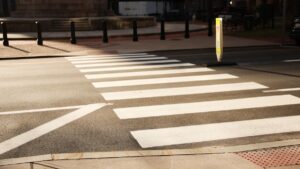 Your Rights as a Pedestrian in Las Vegas Crosswalk Accidents
Las Vegas is one of the busiest pedestrian cities in the country, with millions of residents and visitors crossing streets every day, especially along the Strip, in downtown areas, and near resident...