
Spinal Cord Stimulator Lawsuits: Overview and Updates
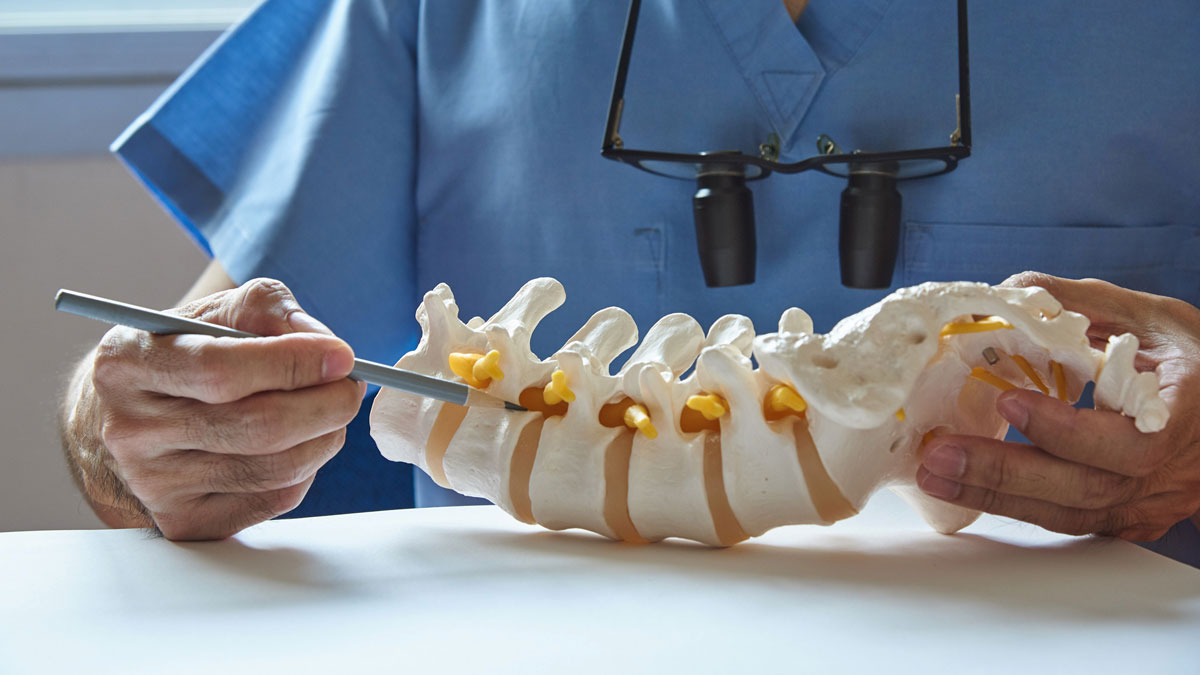
Spinal cord stimulator lawsuits are now moving forward in three separate federal multidistrict litigations (MDLs). The U.S. Judicial Panel on Multidistrict Litigation (JPML) created MDL No. 3181 for lawsuits against Boston Scientific on June 5, 2026. On October 2, 2026, it created MDL No. 3194 for lawsuits against Abbott and MDL No. 3195 for lawsuits against Nevro. The JPML declined to create a single industry-wide proceeding, instead establishing a separate MDL for each manufacturer.
Since 2025, patients have been filing product liability claims against Boston Scientific, Abbott, Nevro, Medtronic, and other manufacturers, alleging that spinal cord stimulator devices caused serious injuries, including burning or electric shock sensations, lead migration or fracture, bladder, bowel, and digestive problems, heart rhythm problems, and complications requiring revision or removal surgery.
The spinal cord stimulator litigation remains in its early stages, and no global settlement or established compensation amounts have been announced as of October 2026. There are still legal options for injured patients, whether through an applicable MDL or by pursuing a separate lawsuit. If you or a loved one suffered serious injuries after receiving a spinal cord stimulator, a personal injury attorney experienced in defective medical device cases can review the circumstances of your case, explain the legal options that may be available, and help you determine the appropriate next steps toward seeking compensation.
Cause and Origin of Spinal Cord Stimulator Lawsuits
Spinal cord stimulators (SCS) are implantable medical devices used to manage certain types of chronic pain. A typical system consists of a small pulse generator implanted under the skin and one or more thin leads positioned near the spinal cord. The generator sends electrical impulses through the leads to alter pain signaling. SCS systems may be used to treat conditions including chronic back and leg pain, failed back surgery syndrome, complex regional pain syndrome, and other forms of neuropathic pain. Other implanted nerve stimulators, such as those used for bladder control or sleep apnea, are different devices and are not the subject of these lawsuits.
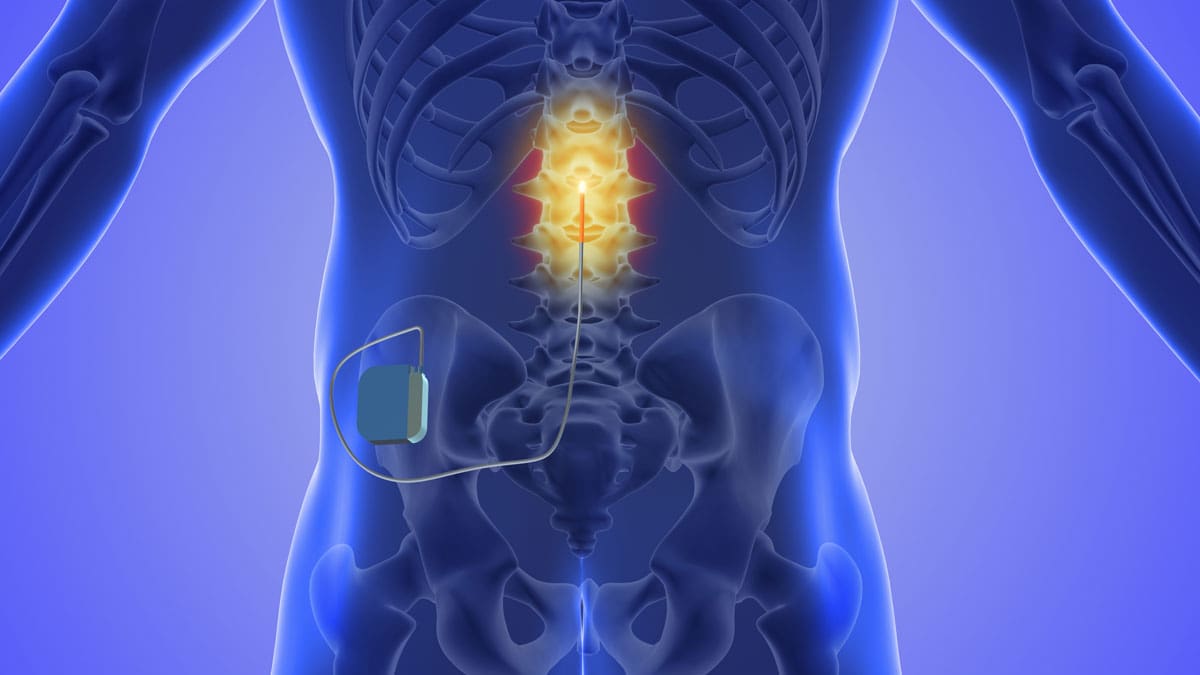
Spinal cord stimulator systems are made by several companies, including Boston Scientific, Abbott, Medtronic, and Nevro, which is now part of Globus Medical. Abbott’s spinal cord stimulator business includes devices originally sold by St. Jude Medical, which Abbott acquired in 2017. Patients usually go through a short trial with temporary leads before a permanent system is implanted, and manufacturer representatives are often involved during the trial and in programming the device afterward.
While spinal cord stimulation can provide meaningful relief for some patients, implantation and long-term use involve known risks. The current lawsuits allege that certain devices or components presented problems beyond the ordinary risks associated with SCS treatment.
Spinal Cord Stimulator Lawsuits: Alleged Problems
The specific allegations vary depending on the manufacturer and device involved. Patients have reported or alleged problems including:
- Lead migration, in which a lead moves from its intended position and may no longer provide effective stimulation
- Lead fracture or breakage, which can interrupt stimulation or require another procedure
- Painful or unintended stimulation, including sensations described as shocks or burning
- Bladder or bowel problems, including urinary incontinence or retention and loss of bowel control
- Digestive and swallowing problems, including gastroparesis (delayed stomach emptying) and difficulty swallowing
- Heart rhythm problems, also called cardiac arrhythmia
- Need for revision, replacement, or explant surgery to address a failed or problematic device
Some lawsuits allege that these problems caused significant physical pain, additional medical expenses, lost income, emotional distress, or the need for further surgery. Many of the claims involve patients who needed surgery to revise or remove the device. Many patients also report that the device did not relieve their pain or made it worse.
Why Spinal Cord Stimulator Manufacturers Are Being Sued
The legal theories vary from case to case. Depending on the facts, plaintiffs may allege that a particular device was defectively designed or manufactured, that a component was prone to failure, or that the manufacturer failed to provide adequate warnings or instructions about known risks. The allegations against different manufacturers are not necessarily the same, which is one reason the current litigation has developed into separate proceedings rather than a single industry-wide lawsuit.
Regulatory actions can provide important evidence concerning particular devices. For example, in August 2026, the FDA classified a recall involving certain Boston Scientific Infinion CX leads as a Class I recall, which is the FDA’s most serious recall classification. According to the FDA, stress at the lead’s anchor site could cause high impedance or lead fractures, potentially resulting in inadequate stimulation and requiring additional intervention, including lead explantation and replacement. The FDA reported 1,081 serious injuries and no deaths associated with the issue as of May 27, 2026. The recall covers unused leads only and does not affect leads that have already been implanted. See the FDA recall notice for details.
However, a recall, adverse-event report, or lawsuit does not by itself establish that a manufacturer is legally responsible for an individual patient’s injuries. Product liability claims must be evaluated based on the specific device, the alleged failure, the patient’s medical records and injuries, and the applicable law. The ongoing litigation will determine which allegations can ultimately be established against the manufacturers involved.
Manufacturers are also expected to raise federal preemption as a defense. Spinal cord stimulators reach the market through the FDA’s premarket approval process, and federal law limits certain state-law claims involving devices approved that way. How the courts apply those limits will affect which claims move forward.
For a free legal consultation, call (725) 900-9000
Spinal Cord Stimulator Lawsuits: Timeline and Updates
The spinal cord stimulator litigation has developed rapidly since the first wave of current cases emerged. The following is a brief timeline of the major developments.

2025 to February 2026: Lawsuits Filed and MDL Requested
Patients began filing product liability lawsuits alleging that certain spinal cord stimulators caused serious injuries or failed to perform as expected. The complaints were mostly directed towards Boston Scientific and Abbott devices, and similar claims involving Nevro and Medtronic followed. In February 2026, plaintiffs asked the JPML to centralize the federal cases against Boston Scientific and Abbott for coordinated pretrial proceedings.
June 5, 2026: JPML Creates Boston Scientific MDL
The JPML declined to create a single industry-wide proceeding, finding that the manufacturers had different products, regulatory histories, and issues requiring discovery. Instead, the Panel established MDL No. 3181, In re: Boston Scientific Corporation Spinal Cord Stimulator Products Liability Litigation, in the U.S. District Court for the Central District of California.
On August 18, 2026, the court entered a Direct Filing Order, allowing qualifying new Boston Scientific cases to be filed directly in the Central District of California for inclusion in the MDL.
October 2, 2026: JPML Creates Abbott and Nevro MDLs
After the Boston Scientific MDL was created, plaintiffs filed separate requests for multidistrict litigation involving Abbott and Nevro/Globus Medical, and the JPML granted both. The Abbott cases were centralized as MDL No. 3194 in the U.S. District Court for the Northern District of Illinois. The Nevro cases were centralized as MDL No. 3195 in the U.S. District Court for the Northern District of California. No MDL has been created for Medtronic spinal cord stimulator lawsuits, and those cases are proceeding separately.
As of October 2026, all three MDLs remain in the pretrial stage. No global settlement or established compensation amounts have been announced, and no court has found any manufacturer liable for the injuries alleged by plaintiffs.
What Happens Next in Spinal Cord Stimulator Litigation?
The Boston Scientific MDL is still in its early stages, so the immediate focus will be on organizing the litigation, exchanging evidence, and addressing common issues raised by plaintiffs. The newly created Abbott and Nevro MDLs are at the very beginning, and the first steps there will include setting schedules and appointing leadership counsel. In all three proceedings, early rulings on the manufacturers’ preemption defenses are likely to be important.
If you have been injured by an SCS, you don’t need to wait for these proceedings to conclude before seeking legal advice. Depending on the manufacturer and device involved, an eligible case may be filed directly into an existing MDL. Because statutes of limitations and other filing requirements vary by state and circumstances, it’s important to speak with an attorney promptly for legal guidance.
How Can a Lawyer Help With a Spinal Cord Stimulator Claim?
A lawyer experienced in defective medical device litigation can investigate whether a patient’s injuries may be connected to a particular spinal cord stimulator or component and determine which legal options may be available. This may involve:
- Reviewing medical records, imaging, and surgical reports
- Investigating recalls, adverse-event reports, and other evidence concerning the device
- Evaluating potential product liability claims and applicable filing deadlines
- Determining whether the case may qualify for an existing or future MDL
- Documenting medical expenses, lost income, and other damages
- Handling the legal process and communications with the manufacturer or its insurers
An initial case evaluation can help determine whether pursuing an individual lawsuit or participating in coordinated litigation is appropriate.
Take the Next Step With Van Law Firm
Spinal cord stimulator litigation is still developing, but injured patients do not necessarily have to wait for the courts to resolve these cases before exploring their legal options. If you or a loved one experienced serious complications after receiving a spinal cord stimulator, Van Law Firm can review your circumstances, help determine whether you may have a defective medical device claim, and explain the options available to you. Van Law Firm may associate with or refer cases to other law firms that handle spinal cord stimulator litigation.
Contact us at Van Law Firm for a free, no-obligation consultation.
No obligation consultations are always free.
Let Us Help You! Call Now: (725) 900-9000 Forklift Accidents & Lawsuits
Forklift incidents commonly occur in the workplace and can cause serious injuries or even death. There are around 20,000 workers in the United States who suffer from these injuries each year. In an ...
 Video Games: Innocent Fun or addictive menace?
If your child was seriously injured due to video game addiction, Van Law Firm Can Help Video Games are everywhere and there is hardly anyone who does not know what they are. More than 200 million pe...
 What You Need To Know About Filing A Suboxone Tooth Decay Lawsuit
Not all that long ago, opioid misuse was so rampant in the United States that experts classified it as a crisis. They say the trouble started back in the 1990s, when prescription opioid medications ...
 Your Rights as a Pedestrian in Las Vegas Crosswalk Accidents
Las Vegas is one of the busiest pedestrian cities in the country, with millions of residents and visitors crossing streets every day, especially along the Strip, in downtown areas, and near resident...