
Nevada T-Bone Accidents and Who May Be Liable
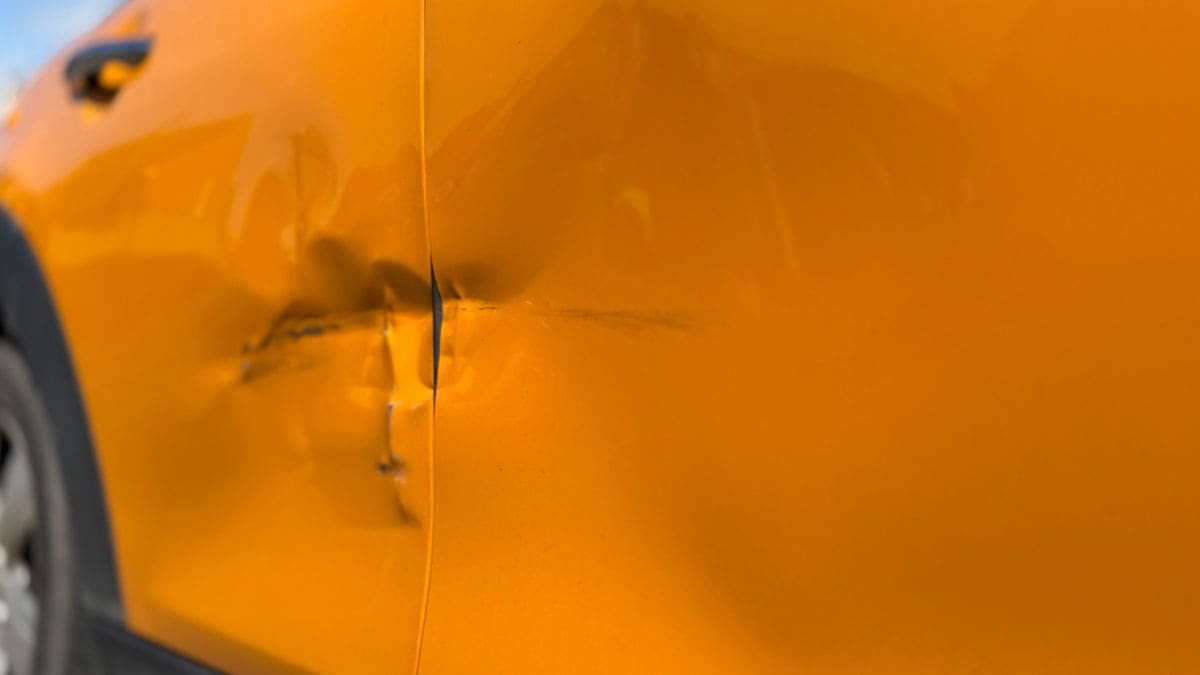
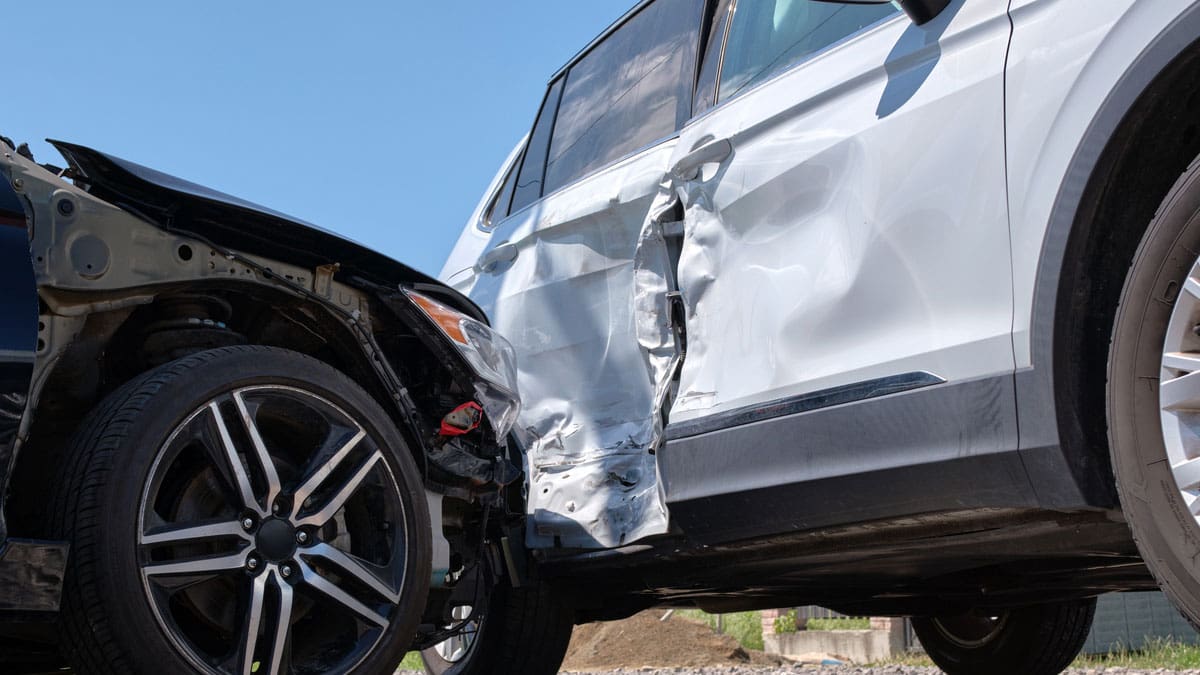
T-bone accidents, also known as side-impact or broadside crashes, happen when the front of one vehicle strikes the side of another. Most occur at intersections, and most involve a driver who ran a red light, ignored a stop sign, or failed to yield the right of way. In Nevada, these crashes are common on the wide arterial roads of Las Vegas and Henderson, the intersections along Reno’s downtown corridor, and the rural crossings on desert highways. When they happen, the injuries tend to be severe, and the legal analysis of who is responsible can be more complex than it first appears.
Understanding what causes T-bone crashes, how Nevada law allocates fault, and what parties may be held liable is essential for anyone injured in one of these incidents.
What Makes T-Bone Crashes Distinct
Side-impact crashes differ from rear-end and head-on crashes in several important ways:
- The struck vehicle has less structural protection on the sides than in the front or rear
- Occupants on the struck side absorb force directly with only the door and a few inches of steel between them and the impact
- Side airbags provide some protection but cannot replace the crumple zones missing from the side of a car
- The rotational forces spin the struck vehicle, often producing secondary impacts
- Occupants can be thrown against the door, the opposite side of the vehicle, or the roof
- Head and chest injuries from lateral impact are common even at moderate speeds
- Multi-vehicle involvement is common when the struck vehicle rotates into other traffic
These mechanical realities mean that a T-bone at 30 miles per hour can produce injuries comparable to a rear-end at 50 miles per hour. The lack of protective structure on the sides of most passenger vehicles is a major factor in the severity of these crashes.
For a free legal consultation, call (725) 900-9000
Common Causes and Locations
T-bone crashes typically occur at intersections and driveways where one vehicle enters the path of another. Common causes include:
- Running red lights, especially at the start or end of the signal cycle
- Failing to stop at stop signs on side streets and neighborhood cross streets
- Left-turn drivers misjudging the speed of oncoming traffic
- Drivers pulling out of parking lots or driveways without adequate clearance
- Distracted drivers who fail to notice a signal change or approaching vehicle
- Speeding through intersections during a yellow light
- Impaired drivers who miss traffic signals entirely
Nevada’s traffic corridors present specific patterns for T-bone crashes. The wide arterial intersections in Las Vegas, particularly along Sahara, Flamingo, Tropicana, and Charleston, produce a large share of these incidents due to high traffic volume and long crossing distances. Rural and suburban intersections without traffic signals contribute another share, particularly at driveways to businesses and residential developments.
How Fault Is Determined and Who May Be Liable
Fault in a T-bone crash is typically assigned to the driver who violated a traffic signal, stop sign, or right-of-way rule. Under NRS 484B.250, drivers approaching an intersection must yield to vehicles that have already entered from a different highway, and drivers on the left must yield to drivers on the right when both enter at approximately the same time. Violation of these right-of-way rules is often the central factual question in a T-bone case.
Multiple parties may share liability in a T-bone crash, including:
- The driver who ran the light, failed to yield, or otherwise violated right-of-way rules
- The employer of a driver who was on duty at the time of the crash
- The commercial carrier if the at-fault vehicle was a truck or delivery vehicle
- A rideshare or delivery service if the at-fault driver was operating for a platform
- A third-party vehicle owner if the at-fault driver had permission to use the vehicle
- A repair shop or maintenance contractor if a mechanical failure contributed to the crash
- Another driver who forced the at-fault driver into the intersection through their own conduct
Identifying every responsible party is one of the most important tasks in a T-bone case. Serious side-impact injuries often exceed the minimum insurance limits carried by individual drivers, and additional defendants and their insurance policies may be needed to support a full recovery.
Click to contact our personal injury lawyers today
Nevada Comparative Negligence in Disputed T-Bone Cases
Not every T-bone case has a clean answer on fault. Sometimes the driver in the struck vehicle was speeding, running a yellow light, distracted, or otherwise contributing to the crash. Nevada follows modified comparative negligence under NRS 41.141. Under this framework, an injured party may recover compensation as long as their share of fault does not exceed 50 percent. Recovery is reduced proportionally by the injured party’s share of fault, and recovery is barred entirely when the injured party is 51 percent or more at fault.
In a T-bone case, this may mean that a driver who was struck by another vehicle running a red light can still recover, even if they were traveling five or ten miles per hour over the speed limit. If a jury finds the through driver 20 percent at fault for speeding and the intersecting driver 80 percent at fault for running the light, the injured through driver still recovers 80 percent of their damages. Careful evidence gathering can significantly affect how fault is allocated.
Complete a Free Case Evaluation form now
Common Injuries in T-Bone Crashes
The mechanics of a side-impact crash produce a recognizable pattern of injuries. Common examples include:
- Traumatic brain injuries from head contact with the side window or door frame
- Spinal cord and vertebral injuries from lateral compression forces
- Pelvis and hip fractures on the struck side of the vehicle
- Rib fractures and pulmonary contusions from lateral chest impact
- Shoulder dislocations and clavicle fractures from door contact
- Abdominal injuries including spleen and liver damage from blunt trauma
- Cuts and lacerations from broken window glass and interior components
Occupants on the impact side of the vehicle typically sustain more severe injuries than those on the opposite side. Prompt medical evaluation is essential even when symptoms feel manageable at the scene, since internal injuries may not produce obvious external signs.
What to Do After a T-Bone Crash
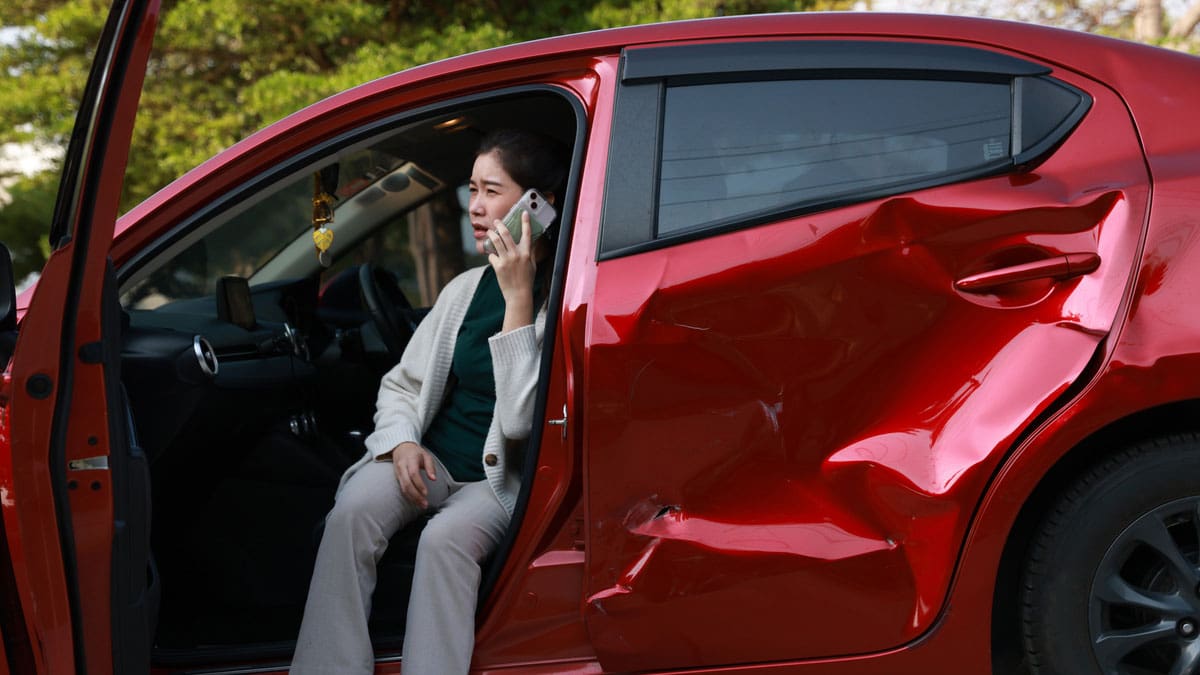
The steps taken in the hours and days after a T-bone crash can significantly affect the outcome of any resulting claim. Injured parties should:
- Call 911 to request emergency medical response and police presence
- Accept emergency medical evaluation, even when injuries appear minor
- Photograph both vehicles, the intersection, all traffic signals, and any road markings
- Obtain information from every driver involved, including insurance details
- Identify witnesses, including drivers who witnessed the crash from other lanes
- Note the color of the traffic signal at the time of the crash and any statements made at the scene
- Consult a personal injury attorney before signing any release or accepting settlement offers
Dashcam recordings and nearby business surveillance can be decisive in T-bone cases. This evidence is time-sensitive and often overwritten within days or weeks. Prompt legal involvement helps preserve the recordings needed to establish which driver had the right of way.
Statute of Limitations in Nevada
Nevada law sets strict deadlines for filing personal injury claims. Under the state’s two-year statute of limitations, an injured driver generally has two years from the date of the crash to file a lawsuit.
Cases involving government entities, commercial vehicles, or out-of-state defendants can involve different procedural rules. Missing the applicable deadline can permanently bar recovery, regardless of how strong the underlying case may be.
How Van Law Firm Can Help
Van Law Firm represents drivers, passengers, and pedestrians injured in T-bone crashes throughout Nevada. The firm has handled cases involving red light runners, stop sign violations, left-turn failures, and other intersection conduct that produces side-impact crashes. Our attorneys work with accident reconstructionists, traffic engineers, and medical specialists to establish fault clearly, counter attempts to shift blame onto our clients, and pursue every available source of coverage.
Van Law Firm serves clients throughout Nevada, including Las Vegas, Henderson, Reno, and surrounding communities.
No Fees Unless You Win
Van Law Firm handles personal injury cases on a contingency fee basis. This means:
- There are no upfront costs to begin your case
- You pay no hourly fees during the representation
- Legal fees are only collected if compensation is recovered
- Consultations are free and confidential
Contact Van Law Firm Today
If you or someone close to you was injured in a T-bone accident in Nevada, Van Law Firm is ready to evaluate the case and identify every party whose negligence may have contributed. Free consultations help injured people understand their legal options under Nevada law.
No obligation consultations are always free.
Let Us Help You! Call Now: (725) 900-9000 DEALING WITH INSURANCE COMPANIES IN A PERSONAL INJURY ACCIDENT
Dealing with insurance companies can be the most frustrating part of handling a personal injury claim. Whether your claim comes from a car accident, medical malpractice, workman’s comp, or dog bite ...
 FRIENDS DON’T LET FRIENDS TEXT AND DRIVE
Texting and hand-held cell phone use is illegal in Nevada.The National Highway Traffic Safety Administration (NHTSA) reported that in 2014, distracted drivers caused thousands of accidents across th...
 “MINOR” CAR ACCIDENTS ARE SERIOUS
“Minor” car accidents, perhaps caused by inattention or carelessness, can still cause a great deal of pain and suffering. According to the National Highway Traffic Administration, over 2 million peo...
 LAS VEGAS RANKS LOW FOR DRIVER SAFETY
Recently, Las Vegas ranked 144 out of 200 cities in the United States for driver safety. The recent report reveals that drivers in Las Vegas have a car accident every eight years and are an astoundi...