
Multi-Car Accidents in Nevada: Who Is Responsible
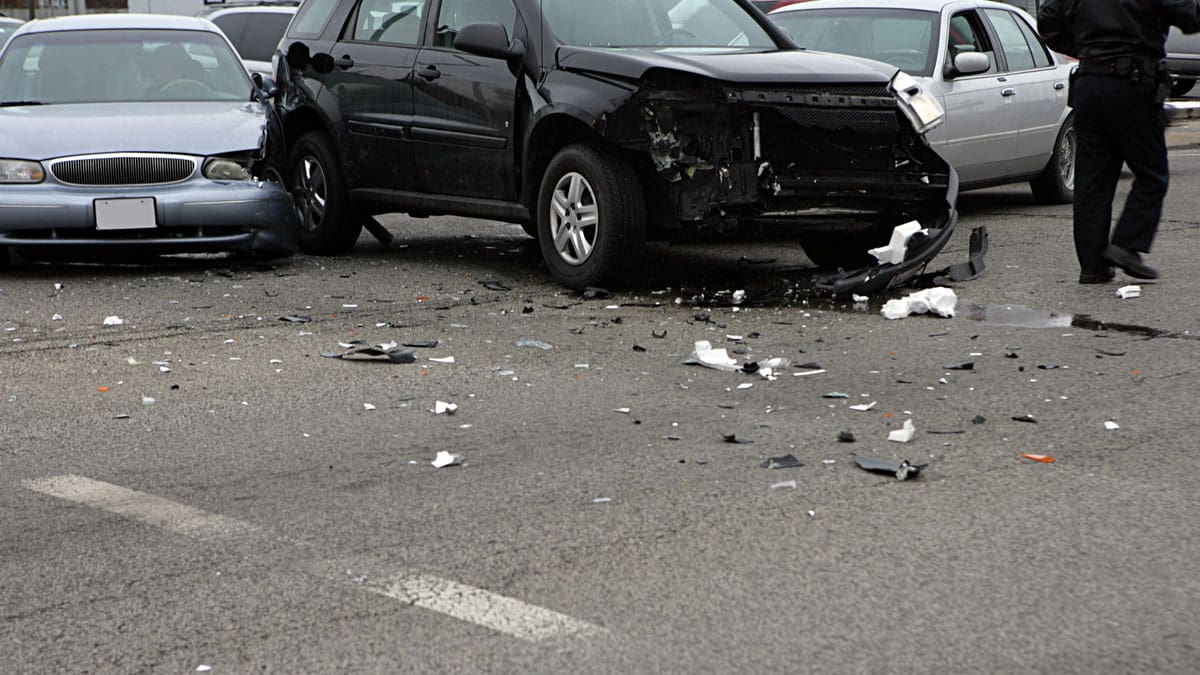
A crash involving two vehicles is challenging enough. When three, five, or a dozen vehicles are involved in a single incident, the question of who is responsible becomes considerably more complex. Multi-car accidents are common on Nevada’s high-speed corridors, in Las Vegas Strip traffic, and along the interstate highways that carry tourist and commercial traffic across the state. The legal analysis of these crashes involves multiple drivers, multiple insurance policies, competing accounts of what happened, and Nevada’s comparative negligence framework that allocates responsibility among all parties involved.
Understanding how fault is determined, which drivers can be held accountable, and how insurance coverage stacks up across the different parties is essential for anyone injured in a multi-car crash in Nevada.
Common Types of Multi-Car Accidents in Nevada
Multi-car crashes tend to fall into recurring patterns. Common types include:
- Chain-reaction rear-end crashes where each vehicle strikes the one in front
- Highway pileups in which dozens of vehicles collide during low-visibility conditions
- Intersection crashes where secondary vehicles strike the vehicles involved in the initial collision
- Freeway merge and lane-change crashes involving multiple vehicles
- Multi-vehicle crashes triggered by a single distracted, impaired, or reckless driver
- Construction zone crashes involving vehicles trapped in narrowed lanes
- Weather-related pileups from dust storms, heavy rain, or fog
Each type presents distinct legal questions. A chain-reaction crash typically involves questions about following distance and driver attention. A pileup during a dust storm may involve questions about speed adjustment and visibility response. Identifying the type of crash correctly shapes the entire investigation.
For a free legal consultation, call (725) 900-9000
Common Causes on Nevada Roads
Nevada’s roadways create conditions that make multi-car crashes more likely. Frequent causes include:
- Sudden dust storms on desert highways that reduce visibility to near zero
- Heavy tourist traffic on the I-15 corridor between Las Vegas and Southern California
- High speeds combined with sudden slowdowns during rush hour
- Distracted driving involving phones and navigation systems
- Impaired driving, particularly on routes leading away from Las Vegas
- Commercial vehicles unable to stop quickly enough to avoid slower vehicles ahead
- Winter weather in northern Nevada, including snow and ice on mountain passes
A single driver’s mistake can quickly involve many vehicles when traffic is dense and traveling at high speeds. Once a chain reaction begins, following drivers often have less than a second to respond, which is rarely enough to avoid additional impacts.
How Nevada’s Comparative Negligence Law Allocates Fault
Nevada follows a modified comparative negligence system under NRS 41.141. Under this framework, an injured party may recover compensation as long as their share of fault does not exceed 50 percent. Recovery is reduced proportionally by the injured party’s share of fault, and recovery is barred entirely when the injured party is 51 percent or more at fault.
In a multi-car crash, this framework applies across every party whose conduct contributed to the harm. A jury may allocate fault among several drivers, and each driver’s share of fault affects both what they owe to others and what they can recover from others. Consider a three-vehicle chain reaction where Driver A stops suddenly, Driver B strikes A, and Driver C strikes B. A jury might find Driver A 20 percent at fault for stopping without warning, Driver B 30 percent at fault for following too closely, and Driver C 50 percent at fault for excessive speed. Each driver’s ability to recover depends on their assigned share of fault relative to the total.
The practical result is that fault allocation in multi-car crashes often becomes the central battleground of the case. Insurance adjusters, defense attorneys, and injured parties all have strong incentives to shape the fault percentages assigned to each driver.
Click to contact our personal injury lawyers today
Multiple Defendants and Multiple Insurance Policies
Multi-car crashes bring multiple insurance policies into a single case. Coverage sources that may apply include:
- Each at-fault driver’s personal auto liability policy
- The commercial insurance policies of any employer whose driver was on duty
- Umbrella policies held by any of the drivers or their employers
- The rental company insurance and Graves Amendment considerations for rental vehicles
- The injured party’s uninsured or underinsured motorist coverage
- The injured party’s medical payments coverage
- Health insurance for medical treatment, subject to subrogation
When multiple drivers share responsibility, each defendant’s insurance company typically pays a portion of the total damages proportional to their insured’s share of fault. This can produce recoveries that dramatically exceed what any single driver’s minimum-limits policy would have covered. Identifying every responsible party is one of the most important tasks in a multi-car case.
Complete a Free Case Evaluation form now
Evidence That Establishes Fault Across Multiple Drivers
Sorting out fault in a multi-car crash requires more evidence than a typical two-vehicle case. Key sources include:
- Traffic camera and dashcam footage capturing the sequence of impacts
- Event data recorder information from each vehicle showing speed, braking, and steering inputs
- Cell phone records for any driver whose distraction may have contributed
- Police reports and any supplemental reports prepared after further investigation
- Statements from independent witnesses without a stake in the outcome
- Accident reconstruction analysis of vehicle positions, damage patterns, and skid marks
- Weather reports and highway condition records at the time of the crash
Reconstruction of a multi-car crash often requires more sophisticated expert analysis than a two-vehicle case. The sequence of impacts, the timing of each collision, and the positions of the vehicles at each stage must all be established through physical evidence, digital data, and expert testimony.
What to Do After a Multi-Car Accident
The steps taken in the hours and days after a multi-car crash can significantly affect the fault allocation and the resulting recovery. Injured parties should:
- Call 911 to request emergency medical response and police presence
- Accept emergency medical evaluation, even when injuries appear minor
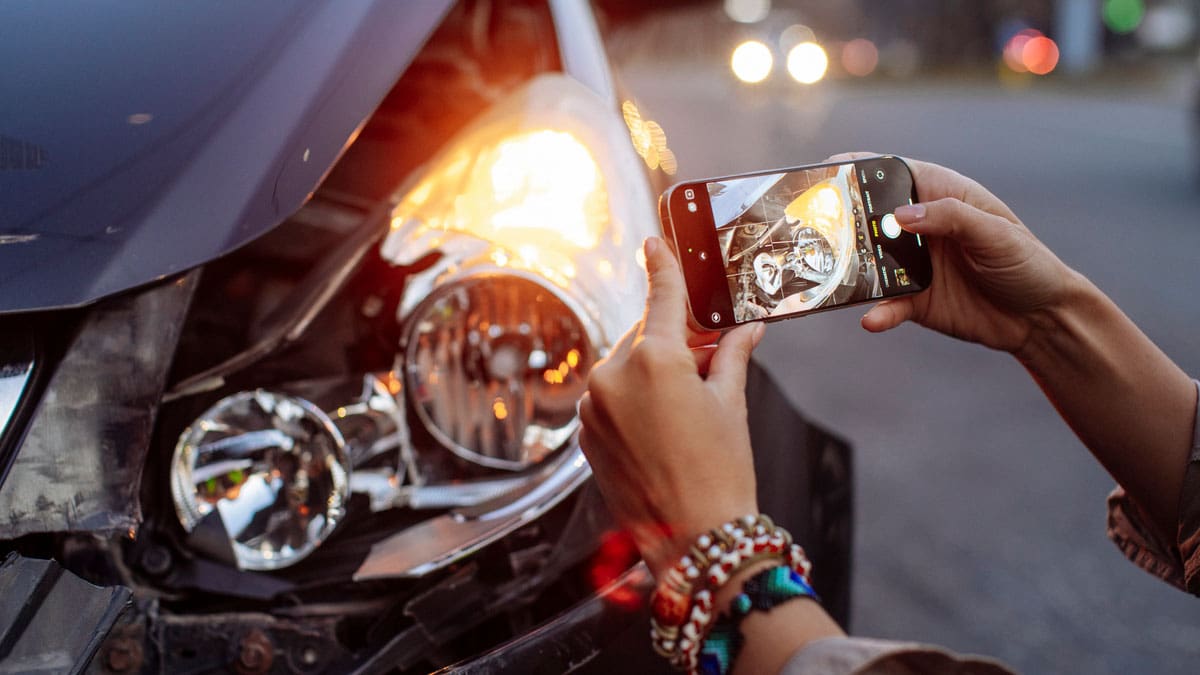
- Photograph every vehicle involved, their positions, and any road conditions
- Obtain information from every driver involved, including insurance details
- Identify witnesses, including drivers who witnessed but were not directly involved
- Request a copy of the police report and review it for accuracy
- Consult a personal injury attorney before signing any release or accepting settlement offers
Insurance adjusters representing the various drivers often begin their investigation within hours of a multi-car crash, and each may attempt to shift fault onto other drivers to reduce their own insured’s exposure. Prompt legal involvement helps protect the injured party’s position before an unfavorable narrative takes hold.
Statute of Limitations in Nevada
Nevada law sets strict deadlines for filing personal injury claims. Under the state’s two-year statute of limitations, an injured driver generally has two years from the date of the crash to file a lawsuit.
Cases involving government entities, commercial vehicles, or out-of-state defendants can involve additional procedural rules. Missing the applicable deadline can permanently bar recovery, regardless of how strong the underlying case may be.
How Van Law Firm Can Help
Van Law Firm represents drivers, passengers, and pedestrians injured in multi-car crashes throughout Nevada. The firm has handled chain-reaction crashes, highway pileups, dust storm collisions, and multi-vehicle intersection incidents involving commercial and passenger vehicles. Our attorneys work with accident reconstructionists, forensic engineers, and medical specialists to establish fault across every responsible party, counter attempts to shift blame onto our clients, and pursue every available source of coverage.
Van Law Firm serves clients throughout Nevada, including Las Vegas, Henderson, Reno, and surrounding communities.
No Fees Unless You Win
Van Law Firm handles personal injury cases on a contingency fee basis. This means:
- There are no upfront costs to begin your case
- You pay no hourly fees during the representation
- Legal fees are only collected if compensation is recovered
- Consultations are free and confidential
Contact Van Law Firm Today
If you or someone close to you has been injured in a multi-car accident in Nevada, Van Law Firm is ready to evaluate the case and identify every party whose negligence may have contributed. Free consultations help injured people understand their legal options under Nevada law.
No obligation consultations are always free.
Let Us Help You! Call Now: (725) 900-9000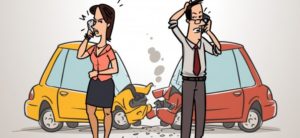 DEALING WITH INSURANCE COMPANIES IN A PERSONAL INJURY ACCIDENT
Dealing with insurance companies can be the most frustrating part of handling a personal injury claim. Whether your claim comes from a car accident, medical malpractice, workman’s comp, or dog bite ...
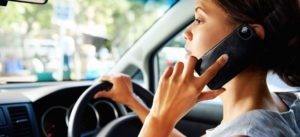 FRIENDS DON’T LET FRIENDS TEXT AND DRIVE
Texting and hand-held cell phone use is illegal in Nevada.The National Highway Traffic Safety Administration (NHTSA) reported that in 2014, distracted drivers caused thousands of accidents across th...
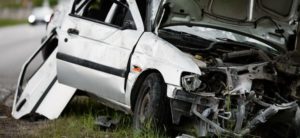 “MINOR” CAR ACCIDENTS ARE SERIOUS
“Minor” car accidents, perhaps caused by inattention or carelessness, can still cause a great deal of pain and suffering. According to the National Highway Traffic Administration, over 2 million peo...
 LAS VEGAS RANKS LOW FOR DRIVER SAFETY
Recently, Las Vegas ranked 144 out of 200 cities in the United States for driver safety. The recent report reveals that drivers in Las Vegas have a car accident every eight years and are an astoundi...