
Common Injuries After Being Hit by a Distracted Driver
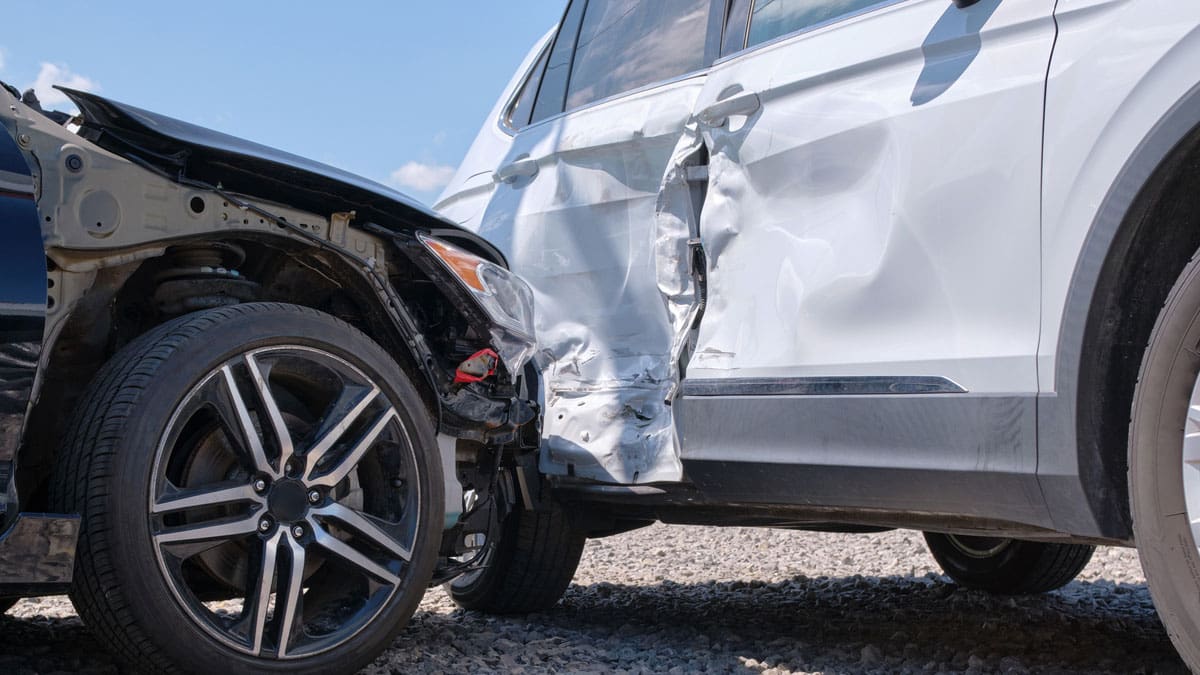
Crashes caused by distracted drivers produce a distinctive pattern of injuries. When a driver looking at a phone or reaching for an object collides with another vehicle, the physics of the impact are different from a crash where an attentive driver brakes first. Distracted drivers typically strike other vehicles at full speed, without pre-impact braking and without any evasive maneuver. The result is more force, more severe injuries, and longer recovery times for the people they hit.
Anyone injured by a distracted driver in Nevada should understand what these injuries look like, why they can be more severe than they first appear, and what medical documentation is needed to establish the harm. These cases often require both immediate emergency care and long-term follow-up with multiple specialists.
Why Distracted Driver Crashes Produce More Severe Injuries
The severity of injuries from a distracted driver crash reflects the mechanics of the impact. When an attentive driver sees a slowing or stopped vehicle ahead, they brake, sometimes significantly reducing the speed at collision. A distracted driver whose attention is on a phone, screen, or object inside the vehicle does none of that. The impact happens at whatever speed the vehicle was traveling before the driver looked up, if they look up at all.
Several factors compound this effect:
- No pre-impact braking reduces the deceleration that ordinarily lowers crash energy
- No evasive steering means the impact strikes the most vulnerable points on both vehicles
- Occupants have no warning to brace, which increases injury severity
- The distracted driver typically fails to reduce speed even after impact, prolonging the force
- Multi-vehicle chain reactions are more likely when the initial driver did not slow down
- Rear-end impacts often occur at highway speeds rather than reduced closing speeds
- The struck vehicle absorbs the full kinetic energy of an unbraked collision
The practical result is that the same closing speed produces substantially different injury outcomes depending on whether the striking driver was attentive or distracted. A rear-end crash at 45 miles per hour with pre-impact braking may produce minor soft tissue injuries. The same crash without pre-impact braking may produce fractures, concussions, and spinal damage.

For a free legal consultation, call (725) 900-9000
Head and Brain Injuries
Head and brain injuries are among the most consequential injuries in distracted driver crashes. Common presentations include:
- Concussions from head contact with the headrest, steering wheel, or window
- Traumatic brain injuries from rapid acceleration and deceleration of the skull
- Skull fractures from direct impact with hard surfaces inside the vehicle
- Diffuse axonal injuries from the rotational forces of the crash
- Subdural and epidural hematomas that may not appear until hours after the crash
- Post-concussion syndrome with headaches, cognitive problems, and mood changes
- Facial fractures and lacerations from airbag deployment or window contact
The Centers for Disease Control and Prevention reports that motor vehicle crashes are one of the leading causes of traumatic brain injury in the United States. Brain injuries can persist for months or years, and their long-term effects on memory, attention, and daily function are often significant.

Spine and Neck Injuries
Spine and neck injuries appear in a large majority of distracted driver crash cases. Common types include:
- Whiplash from the sudden acceleration of the head at impact
- Cervical disc herniations and bulges from the compression and extension forces
- Lumbar disc injuries from the seat belt loading and torso movement
- Vertebral fractures at any level of the spine
- Spinal cord contusions with temporary or permanent neurological deficits
- Nerve root compression producing radiating pain and weakness
- Ligament and soft tissue injuries throughout the paraspinal muscles
Whiplash symptoms often do not fully develop until 24 to 72 hours after the crash, which makes prompt medical evaluation essential even when the initial appearance at the scene suggests minor injury. Disc herniations may take even longer to become symptomatic as inflammation develops around the affected structures.
Click to contact our personal injury lawyers today
Chest, Shoulder, and Torso Injuries
The seat belt that saves lives in these crashes also concentrates force across the chest and shoulder. Common injuries in this region include:
- Rib fractures from seat belt loading during the impact
- Sternum fractures at the point of shoulder belt contact
- Clavicle fractures on the shoulder belt side
- Shoulder dislocations and rotator cuff tears from the belt restraint
- Pulmonary contusions and lung bruising from chest wall impact
- Cardiac contusions from direct force to the anterior chest
- Internal organ injuries including spleen and liver damage from blunt trauma
Internal injuries are particularly dangerous because they may not produce obvious external signs at the scene. Emergency room evaluation typically includes imaging to detect internal bleeding or organ damage that would otherwise remain hidden until symptoms become severe.

Complete a Free Case Evaluation form now
Extremity Injuries and Fractures
Distracted driver crashes frequently produce injuries to the arms, hands, legs, and feet from contact with the vehicle interior. Common examples include:
- Wrist and hand fractures from hands on the steering wheel at impact
- Femur and tibia fractures from knee contact with the dashboard
- Ankle and foot injuries from foot position on the pedals at impact
- Knee ligament tears from the sudden loading against the dashboard
- Shoulder injuries from the arm being extended toward the steering wheel
- Elbow injuries from bracing against the door or armrest
- Compound fractures where bone breaks through the skin
Extremity injuries often require multiple surgical procedures, extended rehabilitation, and long-term physical therapy. Some produce permanent limitations that affect the injured party’s ability to work, drive, or engage in daily activities.
Delayed-Onset Injuries That Emerge Days After
A significant challenge in distracted driver crash cases is that some of the most serious injuries do not become apparent until days after the incident. Common delayed presentations include:
- Concussion symptoms including memory problems, sensitivity to light, and mood changes
- Whiplash pain that peaks 24 to 72 hours after the crash
- Herniated disc symptoms as inflammation develops around damaged structures
- Internal bleeding that produces symptoms only after significant blood loss
- Post-traumatic headaches that begin days after the impact
- Emerging cognitive difficulties that become apparent when returning to work
- Anxiety and post-traumatic stress responses that develop over subsequent weeks
Injured parties who feel fine at the scene should still seek medical evaluation within a day of the crash. Documenting the injury early creates the medical record needed to connect any later symptoms to the crash, which is essential for a successful claim.
Statute of Limitations in Nevada
Nevada law sets strict deadlines for filing personal injury claims. Under the state’s two-year statute of limitations, an injured driver generally has two years from the date of the crash to file a lawsuit.
Delayed-onset injuries do not extend this deadline in most cases. The clock generally begins running from the date of the crash itself, which makes prompt medical evaluation and legal consultation important. Missing the deadline can permanently bar recovery, regardless of how strong the underlying case may be.
How Van Law Firm Can Help
Van Law Firm represents drivers, passengers, and pedestrians injured by distracted drivers throughout Nevada. The firm has handled cases involving rear-end crashes, side-impact collisions, and pedestrian strikes where the responsible driver was distracted by a phone, screen, or object inside the vehicle. Our attorneys work with treating physicians, neurologists, orthopedists, and accident reconstructionists to document the full extent of the injuries and connect them clearly to the distracted driver’s conduct.
Van Law Firm serves clients throughout Nevada, including Las Vegas, Henderson, Reno, and surrounding communities.
No Fees Unless You Win
Van Law Firm handles personal injury cases on a contingency fee basis. This means:
- There are no upfront costs to begin your case
- You pay no hourly fees during the representation
- Legal fees are only collected if compensation is recovered
- Consultations are free and confidential
Contact Van Law Firm Today
If you or someone close to you was hit by a distracted driver in Nevada, Van Law Firm is ready to evaluate the case and pursue every source of recovery available. Free consultations help injured people understand their rights and the next steps available under Nevada law.
No obligation consultations are always free.
Let Us Help You! Call Now: (725) 900-9000 DEALING WITH INSURANCE COMPANIES IN A PERSONAL INJURY ACCIDENT
Dealing with insurance companies can be the most frustrating part of handling a personal injury claim. Whether your claim comes from a car accident, medical malpractice, workman’s comp, or dog bite ...
 FRIENDS DON’T LET FRIENDS TEXT AND DRIVE
Texting and hand-held cell phone use is illegal in Nevada.The National Highway Traffic Safety Administration (NHTSA) reported that in 2014, distracted drivers caused thousands of accidents across th...
 “MINOR” CAR ACCIDENTS ARE SERIOUS
“Minor” car accidents, perhaps caused by inattention or carelessness, can still cause a great deal of pain and suffering. According to the National Highway Traffic Administration, over 2 million peo...
 LAS VEGAS RANKS LOW FOR DRIVER SAFETY
Recently, Las Vegas ranked 144 out of 200 cities in the United States for driver safety. The recent report reveals that drivers in Las Vegas have a car accident every eight years and are an astoundi...