
Apple AirTag Stalking Lawsuits Explained: Settlements and Latest Updates

Last updated: November 10, 2026
If you are in immediate danger, call 911.
If a current or former partner is stalking you, the National Domestic Violence Hotline is available 24/7 at 1-800-799-7233 (or text START to 88788) and at thehotline.org. Advocates can help you plan for your safety, including what to do about a tracking device. If the person tracking you is not a partner, the VictimConnect Resource Center can connect you with local help at 1-855-484-2846 (call or text, weekdays).
When Apple told a federal court panel in August 2026 that it had settled about 20 AirTag stalking claims in roughly two months, the disclosure drew wide attention.
Apple AirTags are legal consumer products designed to help people locate misplaced belongings. Plaintiffs allege Apple was also aware of their potential for misuse and introduced safeguards intended to prevent unwanted tracking. So why is the company facing an expanding wave of stalking lawsuits? And why did it settle some claims while opposing the consolidation of the litigation?
The federal lawsuits, now consolidated into a multidistrict litigation (MDL) established in October 2026, allege that Apple’s safeguards were insufficient to prevent foreseeable misuse. Plaintiffs claim that weaknesses in the devices’ design and anti-stalking features allowed perpetrators to secretly monitor their movements, exposing them to harassment, intimidation, and threats to their safety.
Van Law Firm’s personal injury lawyers have been following these developments closely. We now examine the allegations against Apple, the legal arguments behind the lawsuits, the reported settlements, and the latest MDL developments. If you or someone you love has been stalked or otherwise harmed through the misuse of an AirTag, learn what steps you can take to protect yourself.
How Were Apple AirTags Used to Stalk and Track Victims?
In the Apple AirTag stalking lawsuits, victims describe several ways perpetrators allegedly used the devices to monitor them without their knowledge.
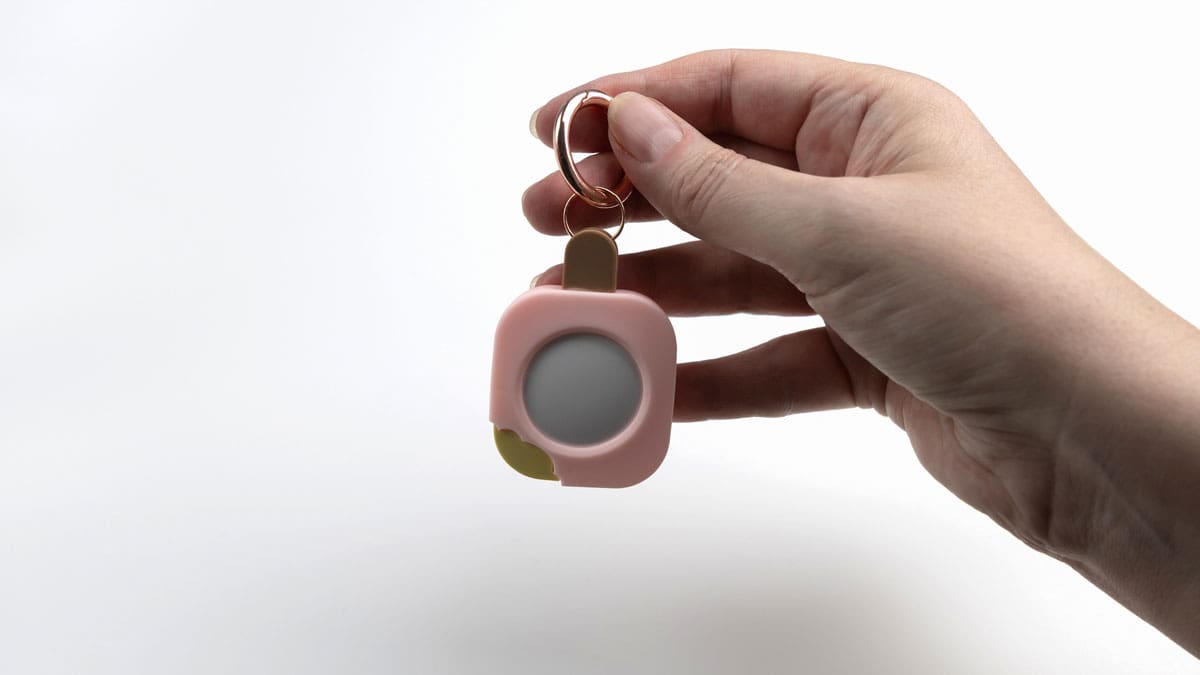
For example, in one lawsuit, a plaintiff alleges that he received an alert on his iPad indicating that an unknown AirTag had been detected. He initially did not understand what the notification meant. His daughter had received a similar alert while riding in his vehicle but had also failed to recognize its significance. After searching for several days, that plaintiff eventually discovered an AirTag duct-taped inside his vehicle’s rear bumper. This happened after his estranged wife had unexpectedly located his new residence, which he had deliberately kept hidden from her.
Another plaintiff alleges that she received unwanted-tracking notifications for three days but ignored them because she did not know what they meant. On the third day, she activated the device’s audible alert and found an AirTag concealed in the backseat of her vehicle. She later confirmed through online research that the device was linked to her ex-husband’s phone number.
A third plaintiff alleges that she received an alert but could not find the AirTag hidden in her car. When she contacted Apple, the company confirmed the device existed but said it could not disable it unless she had it in hand. Neither police nor two auto shops could locate it, and she eventually moved out of the country.
These accounts suggest that the alleged misuse went beyond incidental or accidental tracking. Together with other circumstances described in the lawsuits, the plaintiffs allege malice and ill will. Many of the situations involve estranged partners, domestic disputes, and unwanted surveillance. Such details are important because they help establish the context in which the devices were allegedly used and the nature of the harm plaintiffs say they suffered.
For a free legal consultation, call (725) 900-9000
Why Is Apple Being Sued for AirTag Stalking Cases?
Should Apple be held legally responsible when the perpetrators deliberately conceal tracking devices, monitor people without their consent, and engage in harassment or other criminal conduct? After all, a manufacturer cannot reasonably be expected to control how every customer uses its products.
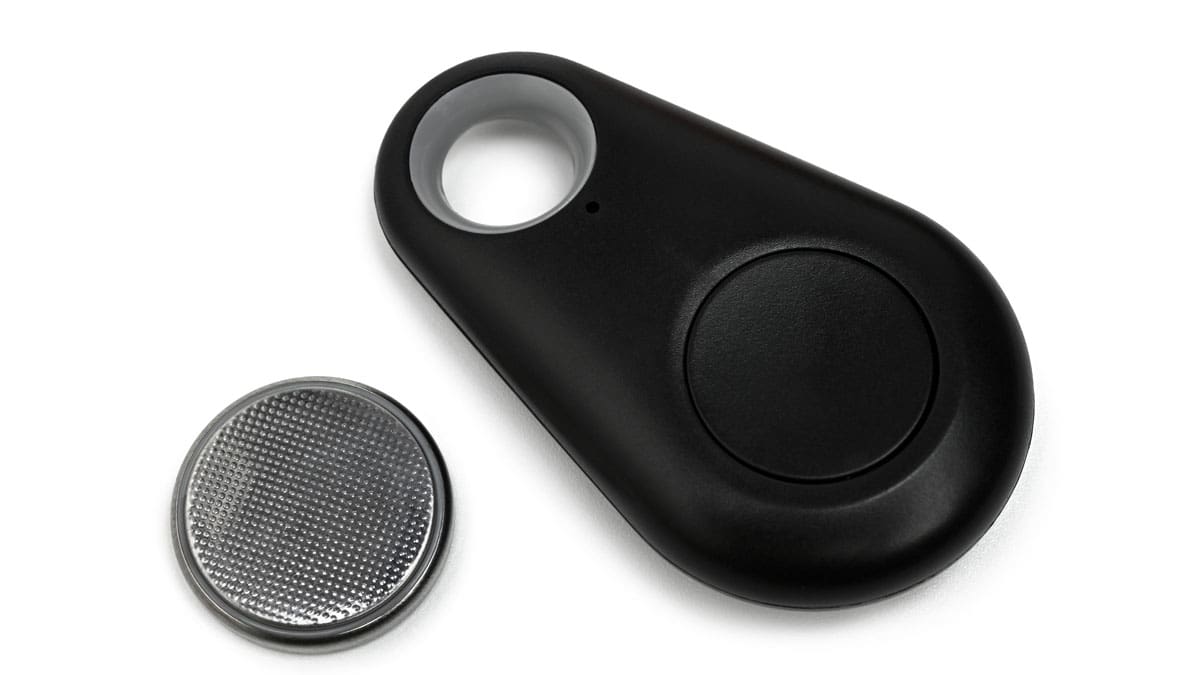
However, under product liability and negligence principles, a manufacturer’s potential responsibility does not necessarily end when a third party misuses its product. The key questions are whether the misuse was reasonably foreseeable and whether the manufacturer took adequate precautions to prevent or minimize the associated risks.
This is the central argument in the Apple AirTag stalking lawsuits. Plaintiffs do not suggest that Apple was responsible for the perpetrators’ criminal conduct. Rather, they allege that the company knew or should have known that its tracking technology could be exploited for stalking but nevertheless introduced and marketed devices with safeguards that were insufficient to protect potential victims from foreseeable misuse.
Were Apple’s Anti-Stalking Safeguards Adequate?
Apple has introduced several measures intended to discourage unwanted tracking. These include notifications when an unfamiliar AirTag appears to be traveling with someone, audible alerts when an AirTag has been separated from its owner for a period, and tools that help users identify and disable unknown devices. Apple has also worked with Google to establish cross-platform alerts so that Android users can receive notifications about unfamiliar Bluetooth trackers.
However, the plaintiffs argue that these protections have not always worked quickly or effectively enough. In Hughes v. Apple, Judge Vince Chhabria examined several alleged shortcomings:
- Delayed notifications: Plaintiffs alleged that the original AirTag safety system could take as long as 72 hours to notify someone that an unknown AirTag was traveling with them. Apple subsequently improved the system, but the plaintiffs alleged that notifications could still take several hours or longer to appear.
- Unclear notifications: Some victims allegedly received alerts without understanding what they meant or recognizing that they might be in danger. The problem was particularly significant when people had never encountered an AirTag before.
- Inadequate sound alerts: AirTags are designed to emit an audible sound after being separated from their owners for a period of time. However, plaintiffs argued that the sound was insufficiently loud or distinctive, particularly when a device was concealed inside a vehicle or placed somewhere that muffled the noise.
- Difficulty locating and disabling devices: Plaintiffs alleged that they could not independently initiate a search for an unknown AirTag whenever they suspected they were being tracked. They also argued that disabling a device required physically locating it and removing its battery, potentially prolonging the surveillance.
These allegations are particularly relevant when considered alongside the experiences of the plaintiffs described above. In some instances, victims allegedly received notifications but could not locate the devices for days. Others struggled to understand the alerts or determine who was responsible for the tracking.
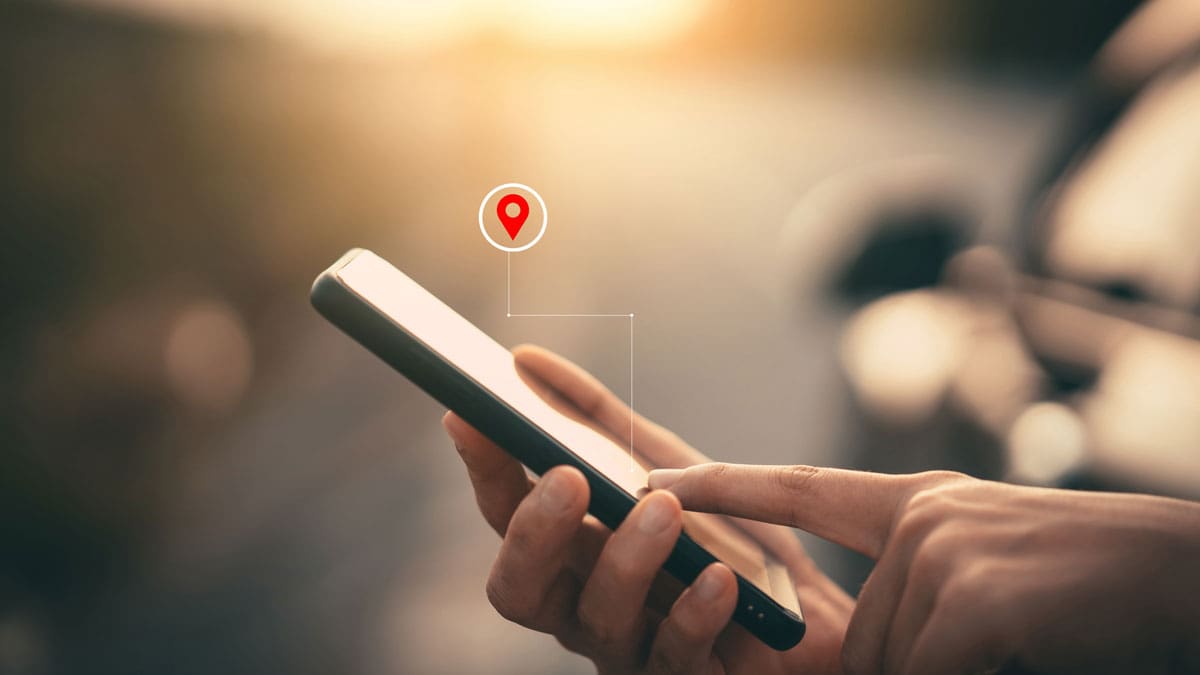
The plaintiffs also point to warnings allegedly communicated to Apple before and after the product’s introduction, arguing that the company knew or should have known that its tracking technology could be exploited for stalking. The question is whether Apple did enough to address those risks when designing, testing, marketing, and updating the product.
Can Apple Be Held Responsible for the Actions of Third Parties?
A particularly important aspect of the litigation concerns foreseeability and causation. Apple has argued that the injuries were ultimately caused by the independent criminal conduct of stalkers, rather than any defect in its products. However, this argument does not necessarily end the inquiry.
In his March 2024 ruling, Judge Chhabria explained that California law generally recognizes a duty to exercise reasonable care to avoid exposing others to foreseeable risks of harm caused by third parties. The plaintiffs argued that stalking was a foreseeable consequence of introducing a small, affordable, consumer-friendly location-tracking device. The court found that this argument could not be rejected at the motion-to-dismiss stage. The ruling was not a broad win for plaintiffs, however. Most claims were dismissed with leave to amend, and only three plaintiffs’ negligence and strict product liability claims survived. The judge described the issue as “a close question” and acknowledged that Apple might ultimately prevail on it.
The judge also emphasized that the AirTag’s primary function is to track location, making the connection between its intended operation and the alleged misuse more direct than in some other product liability cases. Although the stalkers’ deliberate actions remained central to the incidents, their involvement did not automatically eliminate Apple’s potential responsibility.
In a subsequent November 2024 ruling, the judge also rejected Apple’s argument that the conduct of stalkers and certain police responses constituted superseding causes that entirely cut off the company’s potential liability. The ruling did not establish that Apple was liable, but it allowed the relevant claims to continue.
Ultimately, plaintiffs must still establish the applicable legal elements, including that an actionable defect or breach existed and that it caused their injuries. The fact that a third party committed the underlying wrongdoing does not, by itself, resolve whether a manufacturer may also bear responsibility under applicable law.
Latest Updates on Apple AirTag Stalking Lawsuits
The Apple AirTag stalking litigation has reached three significant milestones: the denial of class certification, reported settlements in individual cases, and the consolidation of federal lawsuits into a multidistrict litigation.
Class certification denied in Hughes v. Apple
The litigation began as a proposed class action, Hughes v. Apple, filed in December 2022. In March 2026, Judge Chhabria denied class certification, pointing to differences among state laws and the individual circumstances of each stalking incident. The court then severed the plaintiffs’ claims, and dozens of individual lawsuits followed in spring 2026. Many of those cases are now part of MDL 3199.
Apple says it settled about 20 AirTag claims
In an August 25, 2026, filing opposing consolidation of the federal cases, Apple told the Judicial Panel on Multidistrict Litigation that it had settled about 20 AirTag-related claims over the previous two months. Apple cited the settlements to argue that the cases were already moving toward resolution and that consolidation would slow that progress.
The settlement terms have not been publicly disclosed, and the agreements do not establish an admission of liability by Apple. However, the developments show that some claims have already been resolved while broader litigation continues.
Federal lawsuits consolidated into MDL 3199
On October 2, 2026, the Judicial Panel on Multidistrict Litigation created MDL No. 3199, transferring 17 federal lawsuits from 13 districts to the Northern District of California. Apple had opposed centralization altogether and, in the alternative, proposed the Middle District of Florida; plaintiffs had proposed the District of Arizona. Additional cases have been transferred since the order, and the docket is expected to grow.
The cases are proceeding before Judge Noël Wise in San Jose for coordinated pretrial proceedings. Key issues include what Apple knew about the potential misuse of AirTags for stalking, whether its safety features were adequate, and whether safer alternative designs were feasible.
An MDL is not a class action. Plaintiffs generally retain their individual claims, and the consolidation does not automatically make every person affected by AirTag stalking eligible for compensation. It simply allows related cases to move through pretrial proceedings more efficiently.
Click to contact our personal injury lawyers today
What to Do If You Find an AirTag Tracking You
If you find an AirTag tracking you without your consent, these steps can help protect your safety and preserve your options:
- Put your safety first: If you believe someone is tracking you, consider making a safety plan before you disable the device, since the person who placed it may notice when it stops reporting its location. You can contact local police or the National Domestic Violence Hotline at 1-800-799-7233.
- Preserve evidence: Screenshot unwanted-tracking alerts, photograph the AirTag where you found it, and keep the device or turn it over to police rather than throwing it away.
- Keep records: Relevant evidence includes police reports, protective orders, communications from the person you suspect, and records of physical, emotional, or financial harm, such as medical or counseling bills and moving costs.
- Act promptly: Personal injury claims are subject to filing deadlines. In many states, including Nevada and California, the deadline for most personal injury claims is two years.
Complete a Free Case Evaluation form now
Final Thoughts
The Apple AirTag stalking lawsuits raise important questions about product safety, consumer protection, and a manufacturer’s responsibility when its technology is used in foreseeable ways that can cause harm. The AirTag litigation reflects a broader trend in product liability: like the social media addiction lawsuits, it tests how far a company’s responsibility extends when its products or technology are allegedly misused in ways that cause foreseeable harm.
No obligation consultations are always free.
Let Us Help You! Call Now: (725) 900-9000 Forklift Accidents & Lawsuits
Forklift incidents commonly occur in the workplace and can cause serious injuries or even death. There are around 20,000 workers in the United States who suffer from these injuries each year. In an ...
 Video Games: Innocent Fun or addictive menace?
If your child was seriously injured due to video game addiction, Van Law Firm Can Help Video Games are everywhere and there is hardly anyone who does not know what they are. More than 200 million pe...
 What You Need To Know About Filing A Suboxone Tooth Decay Lawsuit
Not all that long ago, opioid misuse was so rampant in the United States that experts classified it as a crisis. They say the trouble started back in the 1990s, when prescription opioid medications ...
 Your Rights as a Pedestrian in Las Vegas Crosswalk Accidents
Las Vegas is one of the busiest pedestrian cities in the country, with millions of residents and visitors crossing streets every day, especially along the Strip, in downtown areas, and near resident...