
5 Common Mistakes to Avoid When You Seek Car Accident Compensation
Legally reviewed by Sandy Van (Bar No. 10785). Updated October 2026.

After a car accident, decisions often have to be made quickly. Insurance adjusters may call within hours, medical bills start arriving, and it isn’t always clear which actions matter and which don’t. Many of the most common mistakes accident victims make happen simply because there isn’t time to think everything through in the moment.
In Nevada, these mistakes matter because of how the state’s fault rules work. Nevada follows a modified comparative negligence rule under NRS 41.141: a person found more than 50% at fault for an accident cannot recover compensation, and any lesser share of fault reduces the total award proportionally. Because of this, the details of what someone says and does after a crash can play a role in how fault is later evaluated. This is why it’s worth understanding these common mistakes in advance.
Here are five mistakes that often come up in car accident claims, and some general information on why they matter.

1. Admitting Fault or Apologizing at the Scene
An apology or an offhand comment like “I didn’t see you” is sometimes interpreted later as an admission of fault. In the confusion after a collision, this kind of remark is common, but the other driver, a witness, or a responding officer may recall it differently than it was intended. Because compensation in Nevada is tied to an assigned fault percentage, statements made at the scene can become part of how that percentage is determined. Sticking to an exchange of information, and describing only what’s certain, allows the police report and physical evidence to speak for what happened.
For a free legal consultation, call (725) 900-9000
2. Delaying or Skipping Medical Treatment
A gap between the accident and the first medical visit is often something insurance companies point to when questioning whether an injury was caused by the crash, or how serious it is. Adrenaline can mask pain for hours or days, which is one reason some injuries aren’t noticed right away. Prompt medical care serves two purposes: it addresses the injury itself, and it creates a medical record connecting the injury to the accident, which is generally an important part of a compensation claim.
3. Giving a Recorded Statement Too Soon
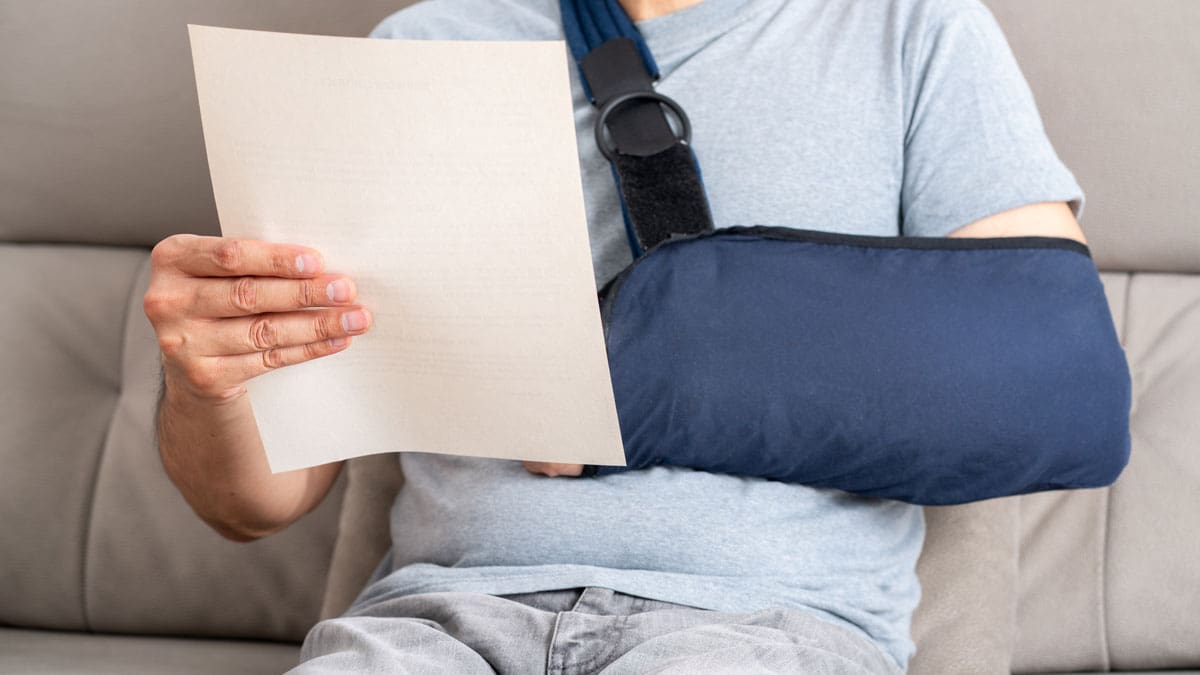
Insurance adjusters, including one’s own insurer, often request a recorded statement within days of an accident. These calls are typically presented as routine, but the information given can be referenced later when the claim is evaluated, including descriptions of injuries offered before symptoms fully develop, or an account of the accident that leaves room for interpretation. Once a statement is recorded, it generally can’t be revised. Accident victims aren’t usually required to give a recorded statement to the at-fault driver’s insurer, and it’s often worth speaking with an attorney before giving one to any insurer, including your own.
Click to contact our personal injury lawyers today
4. Failing to Document the Accident Scene Thoroughly
Because fault under Nevada law is expressed as a percentage, the evidence available about how an accident happened can play a role in how that percentage gets divided between drivers. Photos of vehicle positions, damage, road conditions, and skid marks, along with witness contact information, are often referenced when fault is disputed. Without this kind of documentation, a claim can come down to conflicting accounts of what happened.

Complete a Free Case Evaluation form now
5. Accepting the First Settlement Offer
Initial settlement offers are often made before the full extent of medical treatment, lost income, or long-term impact is known. Signing a release is generally treated as final, closing the claim even if injuries later turn out to require more treatment than expected. A more complete evaluation typically considers future medical needs, lost earning capacity, and pain and suffering, in addition to costs already incurred. Nevada allows two years from the date of the accident (NRS 11.190) to file a lawsuit if a settlement can’t be reached, so there’s generally no need to respond to an initial offer right away.
Already Made One of These Mistakes?
Whether any of these situations affects a specific claim, and to what extent, depends on the individual facts involved. That kind of assessment isn’t something a general article can provide; it typically calls for a review of the specific circumstances by an attorney.
Accepting a settlement offer is worth noting separately, since signing a release is typically treated as final. Limited exceptions exist under Nevada law, though they don’t apply in most situations. Anyone who has received an offer but hasn’t signed anything yet may want to have it reviewed before signing.
No obligation consultations are always free.
Let Us Help You! Call Now: (725) 900-9000 DEALING WITH INSURANCE COMPANIES IN A PERSONAL INJURY ACCIDENT
Dealing with insurance companies can be the most frustrating part of handling a personal injury claim. Whether your claim comes from a car accident, medical malpractice, workman’s comp, or dog bite ...
 FRIENDS DON’T LET FRIENDS TEXT AND DRIVE
Texting and hand-held cell phone use is illegal in Nevada.The National Highway Traffic Safety Administration (NHTSA) reported that in 2014, distracted drivers caused thousands of accidents across th...
 “MINOR” CAR ACCIDENTS ARE SERIOUS
“Minor” car accidents, perhaps caused by inattention or carelessness, can still cause a great deal of pain and suffering. According to the National Highway Traffic Administration, over 2 million peo...
 LAS VEGAS RANKS LOW FOR DRIVER SAFETY
Recently, Las Vegas ranked 144 out of 200 cities in the United States for driver safety. The recent report reveals that drivers in Las Vegas have a car accident every eight years and are an astoundi...