









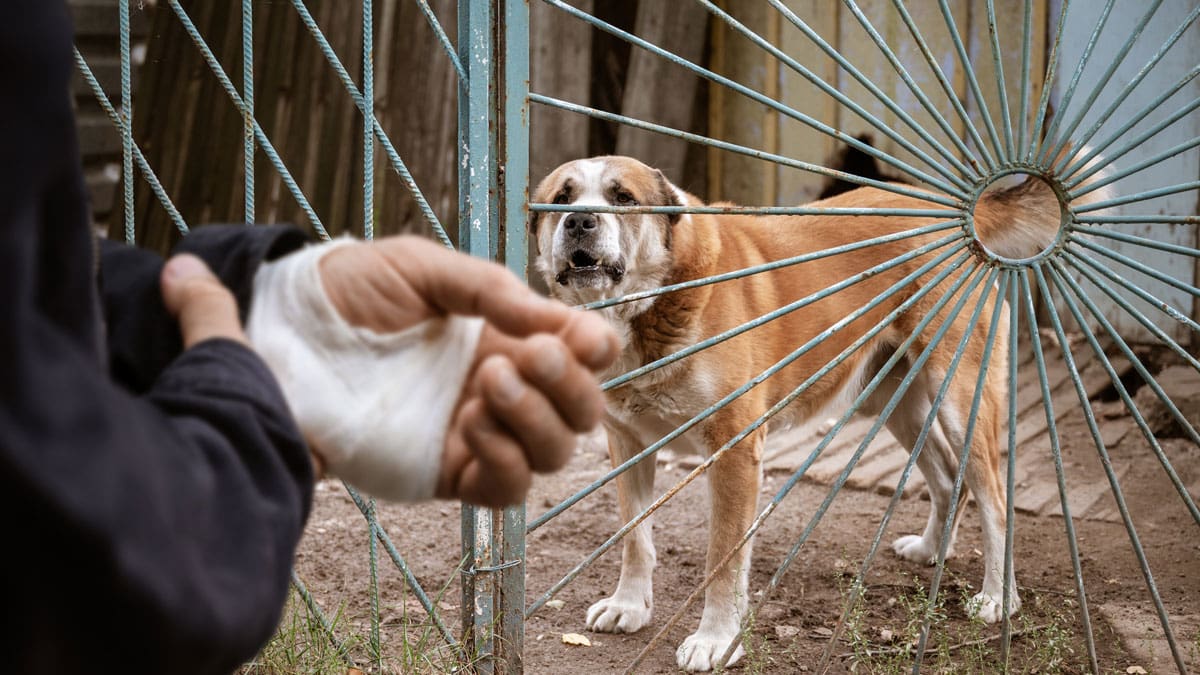
If you or your child was bitten by a dog in Nevada, Washington, or California, a dog bite lawyer at Van Law Firm can identify who is responsible and pursue the cost of treatment, scar revision, and lost income. What you must prove depends heavily on which of the three states you are in.
We represent bite victims in Las Vegas, Henderson, and Summerlin, across Washington from our Lakewood office including Seattle and Tacoma, and in California from Monterey Park. Most claims are paid by a homeowners or renters policy rather than by the owner personally, which is a point that keeps many people from calling at all.
- Cases we handle: dog bites in public places, on private property, by dogs owned by others, at parks and trails, during deliveries, and attacks involving children.
- What we pursue: emergency treatment, infection care, reconstructive and scar revision surgery, therapy for lasting fear or trauma, and lost income.
- Fees: Our personal injury law firm never charges upfront fees. We handle your case on a contingency, which means you don’t pay unless we win.
- Where we work: offices in Las Vegas, Nevada, Lakewood, Washington, and Monterey Park, California.
What to Do Immediately After a Dog Bite
Bites carry a high infection risk even when the wound looks minor, so medical care comes first and everything else follows from it.
- Get medical attention the same day. Puncture wounds seal over the bacteria driven in beneath them. Infection, not the wound itself, is the most common complication.
- Report the bite to animal control or public health. This creates the official record, starts the rabies observation process, and establishes whether the dog has a history.
- Identify the dog and its owner. Name, address, and phone number, plus any information about vaccinations. If the dog is unidentified, rabies treatment decisions change significantly.
- Photograph everything before treatment closes the wounds. The injuries, torn clothing, the location, and the dog itself if you can do so safely.
- Get witness details. Neighbors often know the dog’s history even when the owner denies it.
- Keep photographing as it heals. Scarring is often the largest component of a bite claim, and its progression over months is evidence that cannot be recreated later.
Who Is Liable for a Dog Bite?
This is where the three states diverge, and the difference decides how hard a claim is to prove. Two of them hold owners responsible automatically. The third does not.
Washington: strict liability
Under RCW 16.08.040, the owner of a dog is liable for damages when the dog bites a person who is in a public place or lawfully in a private place, regardless of whether the dog had ever shown aggression before and regardless of how carefully the owner tried to restrain it. There is no requirement to prove the owner did anything wrong.
California: strict liability
Under Civil Code section 3342, a dog owner is liable when the dog bites someone in a public place or while that person is lawfully on private property. As in Washington, the owner’s knowledge of the dog’s temperament is irrelevant, and the first bite is enough. Being lawfully present generally means you were invited, expressly or by implication, or were carrying out a duty required by law.
Nevada: negligence, not strict liability
Nevada has no statewide dog bite statute creating automatic liability. Claims are built on ordinary negligence: that the owner failed to use reasonable care, knew or should have known the dog was dangerous, or broke a safety rule such as a local leash ordinance. Nevada does regulate dangerous and vicious dogs under NRS 202.500, and Clark County and its cities impose their own leash and control requirements.
Nevada is sometimes described as a one-bite state, which misleads people into assuming a first bite cannot be claimed. It can. Prior aggression of any kind counts, not just a prior bite. A dog that has growled, lunged, snapped, or menaced people before puts the owner on notice. Separately, a leash ordinance violation can establish negligence on its own, whatever the dog’s history.
Property owners and landlords
Someone other than the owner can share responsibility. A landlord who knew a tenant kept a dangerous dog on the property and did nothing may be liable. So may a business that allowed a dog on its premises, an employer whose worker brought a dog to a site, or a person who agreed to keep or handle the dog and failed to control it.
Claims Involving Children
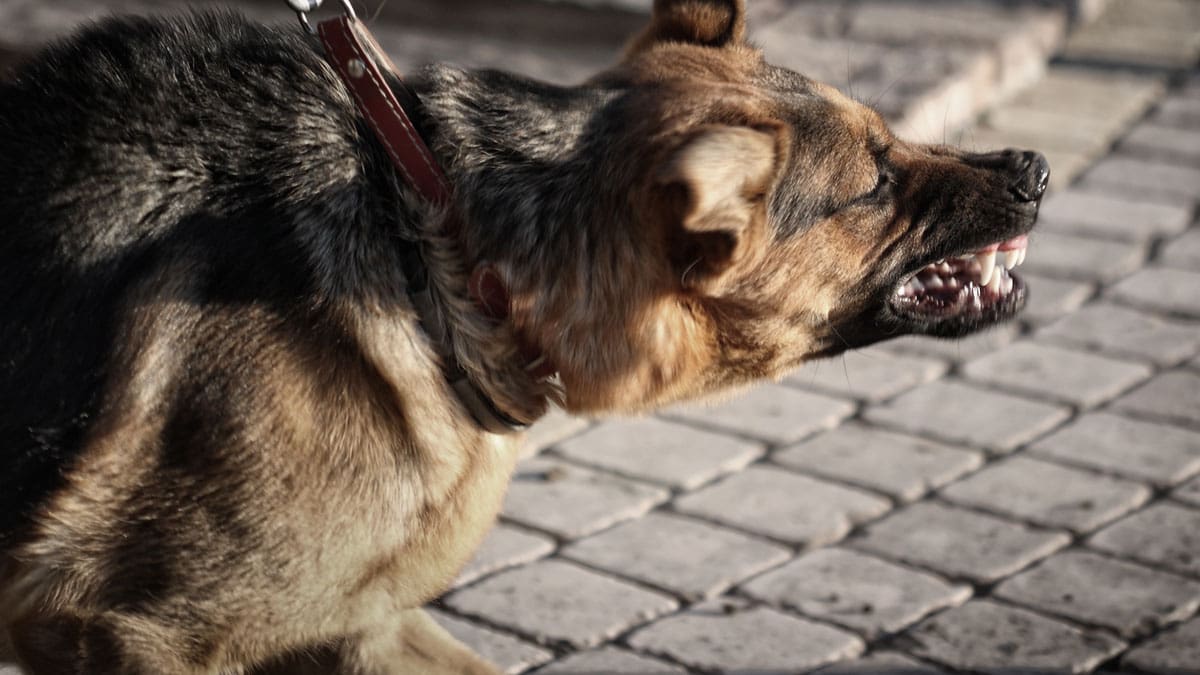
Children are bitten more often than adults, are bitten on the face and head more often because of their height, and suffer worse scarring because the tissue is still developing. Several things work differently in these claims.
- Future surgery matters more. Scar revision is often staged over years as a child grows, so the claim must account for treatment that has not happened yet.
- Psychological effects are real damages. Lasting fear of dogs, nightmares, and avoidance behavior are compensable and should be documented by a professional rather than described anecdotally.
- Deadlines are longer. All three states pause the filing period while the injured person is a child, though evidence still degrades at the same rate.
- Settlements need court approval. A settlement on behalf of a minor generally requires court sign-off, and the funds are usually protected until adulthood.
Common Injuries and What Compensation Covers
Bite injuries are frequently underestimated because the visible wound is small relative to the damage beneath it.
- Including cellulitis and, in deep puncture wounds, joint and bone involvement requiring extended treatment.
- Nerve and tendon damage. Particularly in hand and forearm bites, where lasting weakness or numbness can affect the ability to work.
- Scarring and disfigurement. Often the largest single element of a claim, especially for facial injuries.
- Psychological harm. Anxiety, avoidance, and post-traumatic symptoms, which are compensable in all three states.
Recovery covers economic losses such as emergency treatment, surgery and future scar revision, medication, and lost income, alongside non-economic losses including pain, disfigurement, and reduced enjoyment of daily life. What any individual claim is worth depends entirely on its facts.
Homeowners and Renters Insurance
Most dog bite claims are paid by an insurance policy rather than out of the owner’s own money. This matters because reluctance to pursue a neighbor, friend, or relative is the most common reason people never make a claim at all.
- Homeowners and renters policies typically include personal liability coverage that extends to injuries caused by a pet, including bites occurring away from the property.
- Breed exclusions and prior-bite exclusions appear in some policies, which can remove coverage entirely and change who is worth pursuing.
- Landlord policies may respond where the property owner had knowledge of the dog and control over the premises.
- Commercial policies apply where the bite happened at a business, on a worksite, or during a delivery.
Evidence to Collect
You do not need any of this to start a conversation. Bring what you have and we help gather the rest.
- The animal control or public health report number
- The owner’s name, address, and insurance details
- Vaccination and licensing records for the dog
- Photographs of the injuries from the day of the bite onward, at intervals
- The clothing you were wearing, unwashed
- Names and numbers of witnesses and neighbors
- Any prior complaints about the dog made to animal control or a landlord
- All medical records, including wound care and any infection treatment
- Estimates for scar revision or reconstructive treatment
What the Other Side Will Argue
- That you startled, teased, or hurt the dog. This is a recognized defense in all three states and is the argument raised most often.
- Both the Washington and California statutes protect people who were in a public place or lawfully on private property, so where you were standing matters.
- Assumption of risk. Raised against veterinary staff, groomers, kennel workers, and others who handle dogs professionally.
- Comparative fault. In Nevada this carries more weight than elsewhere, because under NRS 41.141 a claimant recovers nothing once their share of fault reaches 51 percent. Washington applies pure comparative fault under RCW 4.22.005, and California does the same, so fault reduces rather than bars recovery.
None of these end a claim on their own. They shape how fault is divided, which is why the account you give in the first days matters and why a recorded statement to an insurer is worth avoiding until the facts are established.
How We Handle the Claim
- Free consultation. We review what happened, what treatment has occurred, and which state’s rules apply. No obligation to proceed.
- History search. We request animal control records, prior complaints, and licensing history, because a documented history changes a Nevada claim substantially and strengthens one anywhere.
- Coverage identification. We locate the homeowners, renters, landlord, or commercial policy that applies and check for breed or prior-bite exclusions.
- Medical development. We wait for the scarring to mature or obtain a surgical opinion on future revision, so the claim reflects the final result rather than the early one.
- Demand and negotiation. Once the medical picture is clear, a demand is sent and negotiation may follow to resolve the claim.
- Nevada claims are commonly filed in the Eighth Judicial District Court in Clark County, and many Washington claims in Pierce County Superior Court. California claims from the Monterey Park area are commonly filed in Los Angeles County Superior Court.
- Most claims settle without a trial. If no fair settlement is offered, the case is prepared for court, and you decide whether to accept any offer.
Deadlines to File a Dog Bite Claim
Nevada
- Most claims: two years from the date of the bite under NRS 11.190(4)(e).
- Injured children: NRS 11.250 pauses the clock until the injured person turns 18.
Washington
- Most claims: three years from the date of the bite under RCW 4.16.080(2).
- Injured children: RCW 4.16.190 tolls the period while the injured person is under 18.
California
- Most claims: two years from the date of the bite under Code of Civil Procedure section 335.1.
- Injured children: section 352 tolls the period until the injured person turns 18.
Bites involving a police or government-owned dog, or occurring on public property, carry separate notice requirements that expire far sooner. Those should be checked immediately.
Frequently Asked Questions
Who is liable for a dog bite?
Usually the owner, but what you must prove depends on the state. Washington and California impose strict liability, so the owner is responsible even for a first bite. Nevada has no such statute and requires proof of negligence, such as a known history of aggression or a leash ordinance violation. Landlords and businesses can also share responsibility.
What should I do immediately after a dog bite?
Get medical care the same day, because puncture wounds seal bacteria beneath the surface and infection is the most common complication. Then report the bite to animal control, identify the dog and its owner, photograph the injuries before treatment, and collect witness details. Keep photographing the wound as it heals, since scarring is often the largest part of a claim.
Does homeowners insurance cover a dog bite?
Usually, yes. Homeowners and renters policies typically include personal liability coverage that extends to injuries caused by a pet, including bites that happen away from the property. Some policies carry breed exclusions or exclude dogs with a prior bite, which can remove coverage. A landlord or commercial policy may apply instead.
Can I recover compensation if the dog had never bitten anyone before?
Yes in Washington and California, where strict liability makes the first bite enough. In Nevada it is still possible but requires more: prior aggression short of a bite, such as growling or lunging, can establish the owner knew the risk, and a leash ordinance violation can establish negligence regardless of the dog’s history.
What if the victim is a child?
The claim is generally stronger and more complex. Children are bitten on the face more often and scar worse, so future revision surgery has to be accounted for. Psychological effects are compensable. Filing deadlines are paused while the child is a minor, and any settlement on their behalf usually requires court approval.
Does provocation or trespassing affect the claim?
Both are recognized defenses. Provocation is the argument raised most often, and trespassing matters because the Washington and California statutes protect people who were in a public place or lawfully on private property. Neither automatically ends a claim. They affect how fault is divided, which in Nevada can matter more because recovery stops at 51 percent fault.
Can a landlord or property owner be liable?
Sometimes, yes. A landlord who knew a tenant kept a dangerous dog and had the ability to act may share responsibility. The same applies to a business that permitted a dog on its premises, or anyone who agreed to keep or handle the dog and failed to control it. This matters most where the owner has no insurance.
How long do I have to file a dog bite claim?
Two years in Nevada under NRS 11.190(4)(e), three years in Washington under RCW 4.16.080(2), and two years in California under Code of Civil Procedure section 335.1. All three pause the clock while the injured person is under 18. Bites involving a government-owned dog carry much shorter notice requirements.
Client Testimonials
Related Videos